Something strange has been happening in the last few days that I have been trying to coordinate relief and mediating with the donors sitting here in Mumbai. The aftermath of the disaster has me concerned. When I put up a post on Prime Minister Narendra Modi’s relief fund for Nepal everyone unanimously came out in support. But when I put up the Nepal PM’s disaster relief fund account details many people doubted it. It is unfortunate and it breaks my heart. PM Sushil Koirala is a member of the extended Koirala family; he is someone I am close to. He is a simple, honest man, a politician with integrity, he doesn’t own huge property nor does he feed off the family. I know Sushilda is a genuine leader.
But people seem to have no trust. The faith of the common man in the political system in Nepal has been lost entirely. I hope the situation helps motivate the government towards more transparency; I hope they are able to devise a method that can help win and build on the trust of the people. The politicians must realise that the confidence of the people is not gained by just sitting in Parliament. There has to be a mechanism to make our leaders more accountable. The leadership has to find a system by which to rekindle hope and trust. The inconvenient truth is that we have made a mess of things and need to correct them and buckle up now.


The second thing I am sceptical about is the longevity and long-term effectiveness of the relief work. Right now, a lot of aid is pouring in. Everybody has been shocked by the tragedy, common goodwill is spontaneous in the aftermath of the disaster and it will continue for a few months. But it’s a human tendency to become numb to the pain over time. It’s when things start looking less problematic and seemingly in control. That’s when corruption sets in, materials start getting misused and real victims end up not benefiting. The relief system needs to be monitored over a period of time. The world has shown so much compassion for Nepal. I have been overwhelmed to see so many well-meaning people pitching in. Everyone I know has helped with things, be it clothes, blankets, tents or food. The material needs to be channelised well. The government, NGOs, army, police, relief workers need to put a system in place, need to work in coordination with each other under one umbrella to reach out to victims and help them in the maximum possible way. We must be prepared for a long span of relief and rehabilitation work.
Before cancer struck me, I used to take life for granted. I was misusing the gift of life, was not appreciative of what I had. Now I value everything that comes my way. I look after my health, am living with a new energy and commitment. I use this as a metaphor for Nepal. We can take any disaster in a positive way. We have been in a state of stagnancy for the last 15 years. Things have been slipping out of our control. A handful has been trying to build the samvidhan (constitution). On the other hand, the standard of living has been going down alarmingly and hope has been diminishing. Now is the time to say enough is enough. Let’s mend and correct ourselves. All we have is a cry of hope. What they say in Hindi: doobte ko tinke ka sahara hi kaafi hota hai. For years, Nepal has been seeing a brain drain and it has often been asked as to who will rebuild the nation. But my recent appeal has been answered by so many young people in Nepal that I am optimistic for the future.
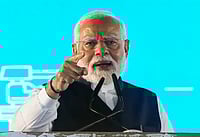
India has helped and reached out in a big way. PM Modi has been very quick in responding, it shows what leadership is all about. The media has played a massive role in generating the right emotions and motivating people for the right cause. It’s time now for Nepal to remain focused on issues that matter and take the right decisions and action for a better future.
As told to Namrata Joshi
Manisha Koirala is an actress, social activist and UNFPA goodwill ambassador