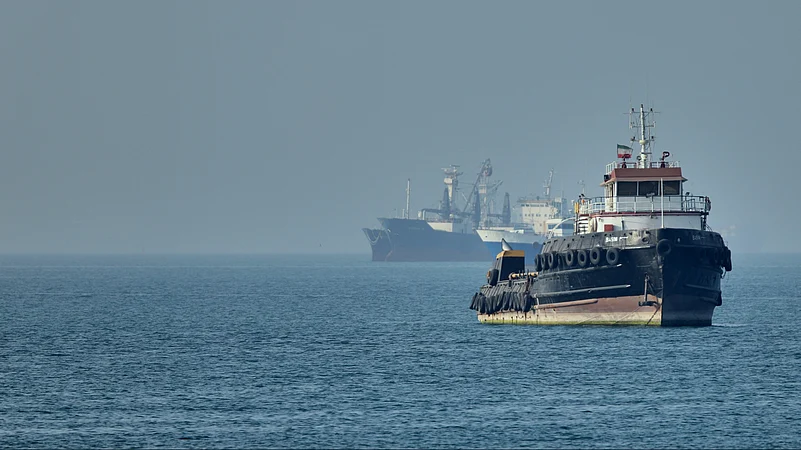
Iran is combining military pressure, proxy attacks and Hormuz restrictions to push the US towards accepting its demands
Tehran continues indirect negotiations through Oman while denying President Donald Trump's claim that direct US-Iran talks are under way
The strategy seeks to raise the economic and security costs for Washington while keeping diplomatic channels open through regional mediators
Iran is intensifying a multi-pronged pressure campaign aimed at forcing the United States to accept its terms over the Strait of Hormuz, combining restrictions on one of the world's busiest energy chokepoints with proxy attacks and backchannel diplomacy, as per Reuters.
At the centre of Tehran's strategy is its demand for greater control over the strategic waterway, through which around 20% of global oil and liquefied natural gas shipments normally pass. Iran has maintained restrictions in the strait since the US and Israel launched strikes against the country earlier this year, insisting that the inbound shipping lane and part of the outbound route should remain under Iranian oversight.

Pressure For Concessions
Iran is seeking to use the threat of prolonged disruption in the Strait of Hormuz to extract concessions from Washington, while simultaneously raising the costs of continued military pressure through allied groups across the region.
Iran-backed militias in Iraq have intensified attacks on US and Saudi interests, while Yemen's Houthi movement has claimed attacks on Saudi-linked shipping in the Red Sea and declared a naval blockade against the kingdom, further disrupting regional maritime traffic.
Indirect Diplomacy Continues
Even as it increases military pressure, Tehran has continued indirect diplomatic engagement through Oman.


Iranian Foreign Ministry spokesperson Esmail Baghaei said Iranian and Omani officials held technical talks in Tehran on mechanisms to ensure commercial navigation through the Strait of Hormuz while respecting the sovereignty of the two littoral states. He described the discussions as constructive and said technical and political consultations would continue.
Iranian Foreign Minister Abbas Araghchi later said negotiations with Oman on a Hormuz agreement were "on track for finalisation", according to Iran's foreign ministry.

Denial Of Direct US Talks
Tehran has, however, rejected President Donald Trump's assertion that direct negotiations with the United States were about to begin.
After Trump said Washington had paused planned military strikes in favour of talks, Baghaei said Iran had no plans to receive a US delegation or send officials to Washington, adding that there had been "no changes" in the status of maritime traffic through the Strait of Hormuz.
The contrasting public positions underscore Iran's strategy of maintaining military and economic pressure while keeping diplomatic channels open through regional intermediaries rather than engaging Washington directly.