Nearly 18 years after performing the country’s first successful simultaneous pancreas-kidney transplants in 2004 and 2008 for patients with Type 1 diabetes, doctors at AIIMS, Delhi, have once again carried out the highly complex surgery, reviving one of India’s most advanced organ transplant programmes.
The surgery was performed on April 14 on a 30-year-old patient suffering from end-stage kidney disease caused by long-standing Type 1 diabetes mellitus. Doctors said the procedure offers fresh hope to patients battling severe diabetes-related complications, as it has the potential to free carefully selected patients from both lifelong insulin dependence and dialysis by treating kidney failure and diabetes simultaneously.
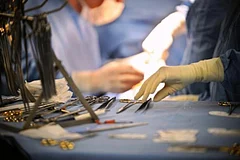
The simultaneous pancreas-kidney transplant involved the transplantation of both the pancreas and kidney from a deceased donor and required close coordination among transplant surgeons, nephrologists, anaesthesiologists, endocrinologists, and organ retrieval teams across two states.
“The surgery was completed successfully, and the patient is currently stable with good graft function and normal blood glucose levels with minimal insulin requirement,” said Dr. V.K. Bansal, Professor in the Department of Surgery at AIIMS Delhi.
Doctors described simultaneous pancreas-kidney transplantation, or SPK transplantation, as one of the most effective treatment options for selected patients with Type 1 diabetes who develop kidney failure. However, the surgery is performed only at a few specialised centres because of its technical complexity, the fragile nature of the pancreas, and the intensive post-operative monitoring required.


Dr. Asuri Krishna, from the Department of Surgery, said one of the major challenges involved retrieving the donor organs from the Rohtak-based Pandit Bhagwat Dayal Sharma Postgraduate Institute of Medical Sciences and transporting them safely to Delhi within the limited preservation time available for transplantation.
“The major challenges included the procurement of organs from PGIMS and timely transfer to AIIMS, which was accomplished with the help of Haryana and Delhi Police, creating a green corridor,” Dr. Krishna said.
The patient’s serious underlying heart disease further complicated the surgery.
“The recipient was a frail patient with compromised cardiac function and required intense monitoring both during and after surgery,” Dr. Krishna explained.
“The procedure involved placement of two organs rather than one, which added to the technical complexity. The pancreas is a very fragile organ, and utmost care had to be taken during its handling. The team at AIIMS, through a coordinated effort, was able to overcome all these challenges, resulting in a life-changing outcome for the patient,” he added.
Doctors from the Department of Anaesthesiology said maintaining stable heart function during the lengthy operation required extremely careful planning and monitoring.
“The anaesthetic management of this patient presented exceptional challenges, more so due to his underlying heart condition,” said Dr. Rahul Anand, Professor in the Department of Anaesthesiology at AIIMS Delhi.
“He had dilated cardiomyopathy with biventricular dysfunction and a severely reduced ejection fraction of 25%, indicating that the pumping function of both sides of the heart was significantly compromised,” he said.
Doctors explained that maintaining a delicate fluid balance during surgery was critical. Excess fluids could have precipitated heart failure, while insufficient fluids could have reduced blood supply to the transplanted organs.
“An important anaesthetic goal was to maintain optimal cardiac output while avoiding both excess fluids and inadequate fluids, both of which could adversely affect the transplanted organs and patient outcome. Intraoperative fluids were, therefore, meticulously titrated,” Dr. Anand added.
The medical team used advanced haemodynamic monitoring systems, point-of-care ultrasound, and echocardiography throughout the surgery to continuously monitor cardiac performance and lung fluid status.
Following transplantation of the pancreas, blood glucose levels were closely monitored to ensure proper graft function and prevent hypoglycaemia. Doctors also carefully selected anaesthetic medicines to avoid affecting the transplanted kidney.
Endocrinology support was provided by Dr. Nikhil Tandon, Head of the Department of Endocrinology and Director of AIIMS Delhi, while nephrology care was led by Dr. D. Bhowmik and Dr. Sandeep Mahajan.
Additional support came from renal transplant specialists Dr. Ashish Sharma and Dr. Deepesh from the Postgraduate Institute of Medical Education and Research, Chandigarh.
Dr. Bhowmik, Head of the Department of Nephrology, highlighted the importance of long-term post-operative care, including lifelong immunosuppressive or anti-rejection medicines and strict infection prevention measures.
Doctors also said the successful transplant highlighted the urgent need to strengthen deceased organ donation systems in India, where the gap between demand and organ availability remains substantial.
Government estimates suggest that nearly two lakh patients require kidney transplants every year in India, but only around 10,000 to 12,000 such procedures are currently performed annually.
India’s deceased organ donation rate remains below one donor per million population, far lower than that of many developed countries, underscoring the need for greater awareness and stronger transplant infrastructure across the country.