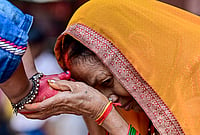
Holi is not just a festival; it’s a feeling. It’s the laughter of friends running through lanes with colors in their hands, the warmth of families gathering after months, and the sweet smell of festive food filling the house. It marks the arrival of spring and reminds us that brighter days are ahead. But as the way we celebrate has changed over time, so have the challenges that come with it. Chemical colors, water wastage, plastic waste, and unsafe behavior have started affecting both our health and the environment.
The good news is that celebrating Holi in a safe and eco-friendly way does not mean giving up on fun. It simply means being more mindful. When we make small, thoughtful choices, we protect ourselves, our loved ones, and the planet and the celebration becomes even more meaningful.
One of the biggest concerns during Holi is the use of synthetic colors. Many cheap, easily available gulals contain harmful chemicals that can cause skin rashes, allergies, eye irritation, and even breathing issues. Children and elderly family members are especially sensitive. Instead of taking that risk, it’s better to switch to herbal or organic colors. These are made from natural ingredients like turmeric, flowers, and plant extracts, and they are much safer for both skin and soil.
You can also make natural colors at home. It’s simple and can even become a fun pre-Holi activity with family:
Yellow can be made by mixing turmeric with gram flour.
Pink or red shades can come from dried hibiscus flowers or beetroot powder.
Green can be created by drying and powdering spinach leaves.
A light orange tone can be made from dried marigold petals.
Homemade colors are not only safe but also biodegradable, meaning they won’t pollute water bodies or harm animals.
The Shield Before the Splash: Skincare Rituals
Before you step out to play, think of your skin as a canvas that needs protection. The golden rule is oil, oil, oil.
Hair: Massage warm coconut or almond oil into your scalp and hair strands. This creates a barrier that prevents colors from settling into the roots. For long hair, tie it in a braid or bun.
Skin: Apply a thick layer of moisturizer followed by waterproof sunscreen. Don't forget areas like behind the ears and between fingers.
Nails: Paint your nails with a dark polish to prevent them from getting stained. Applying petroleum jelly around the cuticles also helps.
Setting an Example by Saving Water on Holi
With water scarcity becoming a pressing reality in cities like Bangalore and parts of Maharashtra, celebrating a dry Holi is not just a choice; it is a responsibility.
Consider adopting 'Tilak Holi', a beautiful tradition where you apply a small tikka of organic gulal on the forehead instead of drenching the person. It saves hundreds of liters of water and feels just as affectionate. If you must use water, limit it to a single bucket for the entire family, and avoid water balloons entirely as they are both wasteful and harmful to the environment.
If you do decide to use water, keep these points in mind:
Avoid using water balloons, as they can injure people and create plastic waste.
Do not leave taps running unnecessarily.
Use limited water and encourage children to do the same.
Reuse water sensibly where possible, such as watering plants afterward if appropriate.
Simple Steps to Protect Yourself and Others
Before stepping out to play Holi, it’s important to take some basic precautions. Even natural colors can dry out the skin if left on for too long. Applying coconut oil or mustard oil on your face, arms, and hair creates a protective layer. It helps the color wash off easily later. Wearing full-sleeved clothes and sunglasses can also protect your skin and eyes.
Personal boundaries matter just as much as safety. Holi should never be about forcing someone to participate. Always ask before applying color. Respecting someone’s “no” is part of celebrating responsibly. The festival is about joy and togetherness, not discomfort.
Also, be mindful of waste. After celebrations, streets are often covered in plastic packets and disposable plates. You can reduce this by:
Buying colors with minimal or recyclable packaging.
Using steel or reusable plates and cups instead of disposable plastic ones.
Cleaning up your celebration area once the fun is over.
Ensuring colors do not get washed into nearby lakes, rivers, or drains.
Small efforts like these make a big difference to the environment.
Holika Dahan, the bonfire ritual held before Holi, is another area where we can be more responsible. Instead of cutting fresh trees, communities can use dried wood, old wooden items, or cow dung cakes. The bonfire does not have to be huge to be meaningful. A symbolic, smaller fire reduces pollution and preserves natural resources.
Celebrating with Community and Care
Holi is also about bonding. Instead of extremely loud parties that disturb neighbors and cause noise pollution, you can organize simple gatherings with traditional music, folk songs, and homemade food. The charm of Holi often lies in these simple, heartfelt moments.
Food is an essential part of the celebration. Preparing dishes like gujiya, malpua, and other festive snacks at home adds warmth and love to the festival. Try to avoid food wastage and share extra food with neighbors or those in need.
We should also think about animals during Holi. Loud music and bright colors can scare pets and stray animals. Keep pets indoors and never throw colors or water at animals. Their safety is just as important.
Another important aspect is responsible behavior. Overconsumption of alcohol during Holi sometimes leads to accidents or inappropriate behavior. Celebrate within limits and ensure that everyone feels safe and comfortable. Look out for friends and make sure no one is left in an unsafe situation.
Gentle Ways to Remove Color
Once the fun is over, avoid scrubbing your skin harshly with soap. Instead, try these natural remedies:
Besan & Curd: A mixture of gram flour and curd acts as a gentle exfoliant to lift color without drying the skin.
Lemon & Oil: For stubborn stains, rub a mix of lemon juice and oil.
Avoid Hot Water: Use lukewarm or cold water, as hot water can make the colors fasten to your skin.
At its heart, Holi is about positivity, renewal, and happiness. When we choose eco-friendly practices, we align the celebration with its true spirit. Nature blossoms in spring, flowers bloom, trees regain life, and the air feels fresh. It makes sense that our celebration should honor that beauty instead of harming it.
Frequently Asked Questions (FAQs)
Q: How to make organic Holi colors at home?
A: You can make yellow by mixing turmeric with gram flour (besan), red using dried hibiscus flowers or beetroot powder, and green using dried spinach leaves.
Q: How to protect hair from Holi colors?
A: Apply a generous amount of coconut or olive oil to your hair before playing. Tying your hair up and wearing a bandana or cap provides extra protection.
Q: Is it safe to play Holi with pets?
A: No. Most Holi colors contain chemicals that are toxic to animals if licked or inhaled. It is best to keep pets indoors and safe from the colors and loud noise.