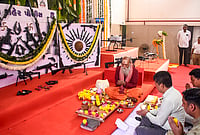
Vasant Panchami, also known as Basant Panchami, marks the arrival of spring and is celebrated with devotion, colour, and simplicity across India. Dedicated to Goddess Saraswati, the festival is closely linked with learning, positivity, and fresh beginnings. Along with prayers and rituals, food plays an important role in the celebration. Every region has its own traditional dishes that reflect local culture, seasonal ingredients, and the joy of welcoming spring.
Vasant Panchami 2026: The Key Facts
Date in 2026: | January 23 2026 (Friday) |
Dedicated To: | Goddess Saraswati the deity of knowledge music and arts. |
Key Color: | Yellow (Basanti) symbolizing energy optimism and the mustard fields of spring. |
Central Theme: | Welcoming spring new beginnings and seeking blessings for learning. |
Food Focus: | Simple seasonal vegetarian dishes often yellow in color. |
One common thread across most households is the colour yellow. Yellow represents energy, optimism, and knowledge, and this is beautifully reflected in the food prepared on Vasant Panchami. From rice dishes to sweets, many recipes use turmeric, saffron, or jaggery to give a warm golden touch.
In North India, sweet yellow rice, often called meethe chawal, is a popular festive dish. Cooked with saffron or turmeric and garnished with dry fruits, it is both simple and celebratory. Khichdi is another widely prepared dish, especially in Uttar Pradesh and Bihar. Made with rice, lentils, vegetables, and ghee, it is offered to the goddess before being shared as prasad. Sweets like besan ladoo, boondi ladoo, malpua, and kesari halwa are also common in many homes.
Western India celebrates Vasant Panchami with traditional comfort foods. In Maharashtra and Gujarat, dishes made with jaggery and wheat take centre stage. Puran poli and sukhdi are popular choices, offering a rich yet homely taste. These foods are filling, nourishing, and well-suited for the seasonal change.
In Rajasthan, festive meals often include simple rotis paired with ghee-rich preparations. The focus remains on wholesome ingredients like wheat and bajra, reflecting the region’s climate and food traditions.
Eastern India observes Vasant Panchami with deep cultural significance. In West Bengal, bhog khichdi is a key offering during Saraswati puja. This special khichdi is prepared with rice, lentils, vegetables, and mild spices and shared among devotees. Traditional sweets such as patishapta, payesh, and other milk-based desserts complete the festive spread.
In Bihar, a simple yet meaningful dish called dahi chura is enjoyed during the festival. It is made using flattened rice mixed with curd, jaggery, or sugar and is both light and nourishing.
South India celebrates Vasant Panchami with regional flavours and subtle rituals. In Karnataka, bisi bele bath and kesari bath are commonly prepared. Andhra Pradesh and Tamil Nadu see dishes like pulihora and sakkarai pongal being offered during prayers. Payasam, made from rice or vermicelli and sweetened with jaggery, is a festive favourite across the southern states.
Why the Color Yellow is Central to Vasant Panchami
The festival is synonymous with the color yellow (Basanti), which holds deep symbolic meaning:
Symbol of Spring: Yellow represents the blooming mustard (sarson) fields that are a classic sight across North India during this season.
Color of Auspiciousness: In Hindu tradition, yellow is considered a sacred color associated with knowledge, learning, and purity.
Energy and Optimism: The bright hue represents the vibrant energy of the sun and the optimism that comes with a new season. This is why devotees often wear yellow clothes and prepare yellow-colored food.
What makes Basant ke pakwan special is their simplicity and seasonal balance. Most dishes are freshly cooked, vegetarian, and made with ingredients that suit the changing weather. They are not about luxury but about warmth, sharing, and gratitude.
Through these regional food traditions, Vasant Panchami becomes more than a religious festival. It turns into a celebration of culture, togetherness, and the joy of spring, served lovingly through flavours passed down across generations.
Frequently Asked Questions (FAQs)
Q1: What is the date of Vasant Panchami in 2026?
A: Vasant Panchami will be celebrated on Friday, January 23, 2026.
Q2: What is "bhog" in the context of Saraswati Puja?
A: "Bhog" refers to the food that is first offered to a deity as part of a worship ritual (puja). After the offering, this blessed food is distributed among devotees as prasad. The bhog khichuri of Bengal is a famous example.
Q3: Are there any foods that are avoided on Vasant Panchami?
A: Most of the food prepared is vegetarian (sattvic), meaning it is simple, pure, and prepared without onion or garlic, especially the food intended as an offering (bhog or prasad).