Union Minister Jitendra Singh will introduce the amendment to the Public Examinations Act, 2024, in the Lok Sabha to address student protests over paper leaks.
The proposed law mandates the establishment of special fast-track courts in consultation with High Court Chief Justices to resolve cases swiftly.
Investigations into examination malpractices must be completed within two months, and trials must conclude within three months of chargesheet filing.
The Union government will amend the Public Examinations (Prevention of Unfair Means) Act, 2024, in the Lok Sabha on Monday to curb exam paper leaks.
Union Minister for the Department of Personnel and Training Jitendra Singh will table the legislation. Singh and Union Health Minister JP Nadda are acting as interlocutors with protesting students. Prime Minister Narendra Modi previously promised these legislative changes following widespread student demonstrations against examination irregularities.
The bill's statement of objects detailed the rationale for the legal overhaul.
"In recent years, there have been some incidents of question paper leakages and malpractices in examinations conducted by public examination authorities, which tend to affect the transparency and fairness of the public examinations system. Hence, in order to further strengthen the fairness, to enhance the credibility of the public examinations system and to facilitate speedy trial and ensure time bound investigations of offences under the said act, it is necessary to make amendments in the said Act," the statement of objects stated.
As of July 2026, authorities have registered four cases nationwide under the 2024 Act. These matters involve examination paper leaks across the jurisdictions of the Bombay (holding two cases), Calcutta, Delhi and Madhya Pradesh High Courts. Authorities are now transferring these pending matters to special fast-track courts.
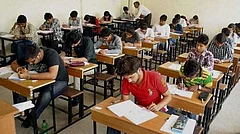
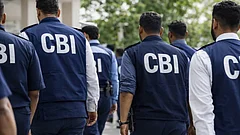


Stricter Penalties For Offenders
The proposed legislation increases financial and custodial punishments. Individuals using unfair means face five to 10 years in prison, up from the previous three to five years. The maximum fine for this offence increases to Rs 50 lakh from Rs 10 lakh.
Firms facilitating exams face steeper penalties. Service providers will incur a Rs 5 crore fine, up from Rs 1 crore. They must also cover the financial cost of the compromised examination and face an eight-year ban, doubling the previous four-year restriction.
Company leadership faces direct accountability. Directors and senior management of offending service providers will receive a minimum five-year prison sentence, extending up to 10 years. Their fine increases to Rs 5 crore from Rs 2 crore. Organised crime syndicates executing paper leaks face seven to 10 years in prison alongside a Rs 10 crore fine.
Speedy Probes And Trials
The amendments mandate rapid judicial resolution—the bill inserts sections 12A and 12B into the existing act to ensure quick investigations and trials.
While the current bill stipulated investigation by federal agencies, the government can now establish a special task force or designate a central agency to handle these matters. Investigators must finish their probe within two months of receiving a formal reference.
Judicial infrastructure will see immediate updates. State and Union territory administrations must designate sessions courts as special fast-track courts. This requires direct consultation with the respective High Court chief justices.
Trials will proceed on a day-to-day basis until all witnesses in attendance are examined. The special fast-track court may adjourn proceedings beyond the following day only for reasons recorded in writing. Courts must conclude the entire trial process within three months of the chargesheet filing date.
Tightened Rules For Appeals
The legislation establishes a rigid appellate framework. A two-judge bench of the High Court will hear appeals against judgments from the special fast-track courts. The appellate court must dispose of these matters within three months of admitting the appeal.
Litigants face strict filing windows. Parties must file an appeal within 30 days. Courts can extend this limit if the appellant demonstrates sufficient cause, but an absolute legal bar applies after 90 days.
The law restricts intermediate legal challenges. Parties cannot appeal or seek revision for interlocutory orders. However, the legislation permits appeals against fast-track court rulings that grant or refuse bail.