Union government’s Land and Development Office issues eviction notice to Delhi Gymkhana Club citing need for defence infrastructure and public security in a sensitive zone.
Club, established in 1913, occupies prime Safdarjung Road property adjacent to the Prime Minister’s residence and other key establishments.
Members challenge the order in Delhi High Court, raising questions over lease terms, heritage value, and governance of elite institutions.
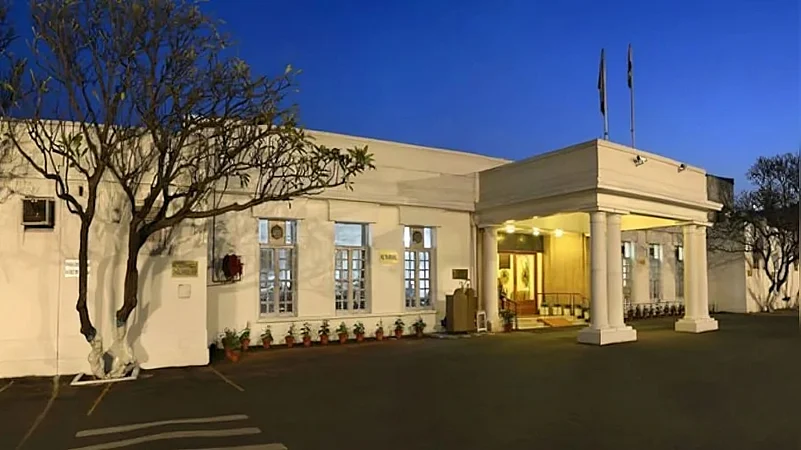
The Centre has issued a strong eviction notice to the iconic Delhi Gymkhana Club, directing the 113-year-old institution to vacate its sprawling 27.3-acre premises in Lutyens’ Delhi by June 5. In the order issued by the Land and Development Office (L&DO) under the Ministry of Housing and Urban Affairs, the government has cited the “strategic importance” of the location and the urgent need to strengthen defence infrastructure and public security in the area.
The Delhi Gymkhana Club, founded in 1913 as the Imperial Delhi Gymkhana Club during British rule, has long been a symbol of elite social life in the national capital. Located on Safdarjung Road, the property lies in a highly sensitive zone adjacent to the Prime Minister’s residence on Lok Kalyan Marg and near several critical government and defence establishments. The L&DO notice emphasises that the land is “critically required” for vital public security purposes and integrated governance infrastructure, invoking Clause 4 of the lease agreement to terminate the lease with immediate effect.
This development has sparked intense debate. Supporters of the move argue that prime public land in the heart of the capital should serve broader national interests rather than remain with a private club that has faced criticism over its exclusive membership policies, long waiting lists, and past financial irregularities. The club was earlier placed under government-nominated directors by the National Company Law Tribunal following allegations of lease violations.
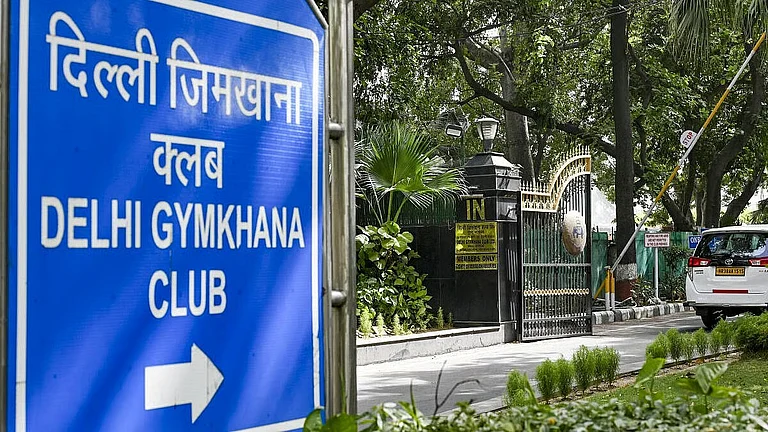

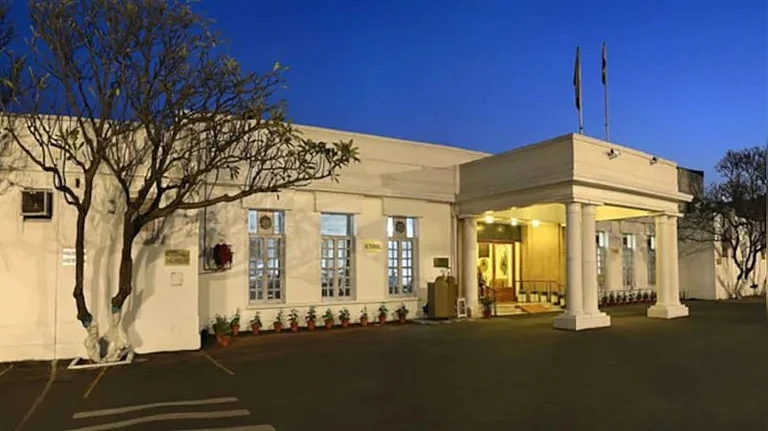

Club members and supporters, however, view the eviction as a blow to a historic institution that has hosted generations of politicians, bureaucrats, diplomats, and prominent citizens. They highlight its role in promoting sports, culture, and social interaction. The club has approached the Delhi High Court challenging the eviction, arguing that the sudden order disrupts operations and affects thousands of members and employees. Legal experts point to questions around perpetual lease rights, prior court observations, and whether national security claims justify overriding institutional heritage.
The controversy arrives amid broader discussions on land use in Lutyens’ Delhi, including previous redevelopment projects. Critics worry about the precedent it may set for other institutions and societies on government-leased land, while the government maintains its sovereign right to reclaim property for public purposes in sensitive areas.
As the legal battle unfolds, the future of the Delhi Gymkhana Club remains uncertain. For many, it represents more than just a recreational space — it is woven into the social and administrative fabric of independent India. The outcome could have implications not only for this elite club but also for how the state balances heritage preservation with strategic and developmental priorities in the national capital.