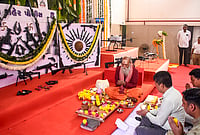
Ugadi is a joyful and meaningful festival celebrated mainly in Andhra Pradesh, Telangana, and Karnataka. It marks the beginning of the New Year according to the Hindu lunar calendar and is welcomed with prayers, new clothes, decorations, and special festive meals. Food plays a very important role in Ugadi celebrations, as each dish prepared on this day carries a deep cultural and symbolic meaning. These traditional recipes remind people of life’s realities and the values they should carry into the New Year.
Ugadi 2026: The Key Facts
Festival Date: | March 20 2026 (Friday) |
Primary Regions: | Andhra Pradesh Telangana Karnataka |
Significance: | The Hindu Lunar New Year for these states. |
Most Important Dish: | Ugadi Pachadi representing the six tastes of life. |
Core Theme: | Welcoming a new year by embracing life's diverse experiences with equanimity. |
Ugadi Pachadi: A Symbol of Life
The most important dish of Ugadi is Ugadi Pachadi. This unique preparation truly represents the essence of the festival. It is made using six different ingredients, each standing for a different emotion or experience of life. Jaggery represents sweetness and happiness, neem flowers stand for bitterness and challenges, raw mango adds tanginess symbolising surprises, tamarind brings sourness reflecting difficult moments, salt represents fear, and chilli or pepper adds spice symbolising anger.
By tasting all six flavours together, people are reminded that life is a mix of joy and sorrow, success and struggle. Ugadi Pachadi teaches acceptance and balance, encouraging everyone to face the New Year with courage and hope.
Pulihora: The Taste of Tradition
Pulihora, also known as tamarind rice, is a must-have dish during Ugadi. It is prepared using rice mixed with tamarind paste, spices, curry leaves, peanuts, and mustard seeds. This tangy and flavourful dish is often offered to deities before being served to the family. Pulihora symbolises auspicious beginnings and is believed to invite positivity and good fortune into the home.


Mango Rice
Ugadi also welcomes the arrival of summer and the mango season. Mango Rice, made with raw mangoes, rice, and mild spices, celebrates freshness and abundance. The sharp yet refreshing taste of mango reflects new energy and growth, making this dish a perfect addition to the Ugadi feast.
Bobbatlu or Obbattu
No Ugadi celebration feels complete without Bobbatlu, also known as Obbattu or Holige. These soft sweet flatbreads are stuffed with a mixture of cooked lentils and jaggery, flavoured with cardamom, and cooked with ghee. Bobbatlu symbolizes happiness, prosperity, and the sweetness people wish for in the coming year. Sharing these sweets with family and neighbours strengthens bonds and spreads festive cheer.
Payasam
Payasam is a classic festive dessert prepared during Ugadi. Made with milk, jaggery or sugar, and ingredients like rice, vermicelli, or lentils, payasam is rich, creamy, and comforting. Garnished with nuts and raisins, it represents abundance and contentment. Starting the New Year with payasam is believed to bring sweetness and harmony into life.
Rava Kesari
Another popular sweet dish is Rava Kesari, made from semolina, sugar, ghee, and cardamom. Its bright golden colour is considered auspicious and symbolises prosperity, happiness, and positive energy. It is often prepared during festivals and special occasions to mark joyful beginnings.
Kosambari
Alongside rich and sweet dishes, light and healthy foods are also part of the Ugadi meal. Kosambari is a simple salad made with soaked lentils, cucumber or carrot, coconut, lemon juice, and mild seasoning. It adds freshness to the meal and balances the heavier dishes, reminding people of the importance of health and simplicity.
Food That Brings Families Together
Ugadi is not just about eating delicious food but also about togetherness. Preparing the festive meal is often a family activity, where elders guide the younger members in traditional cooking methods. These moments help pass down cultural values, recipes, and memories from one generation to the next.
Ugadi special recipes are deeply connected to tradition, philosophy, and culture. Each dish prepared on this day carries a message about life, balance, gratitude, and hope. From the meaningful flavours of Ugadi Pachadi to the sweetness of Bobbatlu and Payasam, the festive foods make Ugadi a celebration of both taste and wisdom. By preparing and sharing these dishes, families keep age-old traditions alive while welcoming the New Year with positivity and joy.
Frequently Asked Questions (FAQs)
Q1: When is Ugadi in 2026?
A: Ugadi will be celebrated on Friday, March 20, 2026.
Q2: What is the significance of eating Ugadi Pachadi?
A: Eating Ugadi Pachadi is the central ritual of the festival. It is a philosophical reminder that life is not one-dimensional but a complex mix of different experiences: sweet, bitter, sour, and so on. By tasting all six flavors together, one resolves to face all of life's ups and downs with equanimity in the New Year.
Q3: Is Ugadi the same as Gudi Padwa?
A: Yes, they are the same festival: the Lunar New Year, celebrated on the same day. It is called Ugadi in Andhra Pradesh, Telangana, and Karnataka, and Gudi Padwa in Maharashtra. While the core meaning is the same, the specific rituals and food preparations differ.