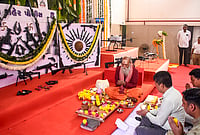
Ram Navami is one of the most sacred festivals in Hinduism, celebrated to mark the birth of Lord Rama, the seventh incarnation of Lord Vishnu. Falling on the ninth day (Navami) of the bright half (Shukla Paksha) in the Hindu lunar month of Chaitra, the festival coincides with the grand conclusion of Chaitra Navratri.
In 2026, Ram Navami will be celebrated on Thursday, March 26. As the day approaches, devotees across India and the diaspora are preparing for day-long fasting, temple processions, and the chanting of the Ramcharitmanas. Symbolizing the victory of righteousness (dharma) over evil, the festival reminds us of the ideals of truth, duty, and compassion embodied by Maryada Purushottam Shri Ram.
Ram Navami 2026 Date and Timings
In 2026, Ram Navami will be celebrated on Thursday, March 26, 2026. The festival date is determined by the Navami Tithi of the Chaitra month in the Hindu calendar.
Important timings for Ram Navami 2026
Date: Thursday, March 26, 2026
Navami Tithi Begins: 11:48 AM on March 26, 2026
Navami Tithi Ends: 10:06 AM on March 27, 2026
Ram Navami Madhyahna Muhurat: 11:13 AM to 1:41 PM
Madhyahna Moment (exact birth time): 12:27 PM
The Madhyahna period is considered the most auspicious time for Ram Navami worship because it is believed that Lord Rama was born around midday. Devotees perform special prayers, chant mantras and conduct rituals during this sacred time.
Spiritual Significance of Ram Navami
Ram Navami commemorates the birth of Lord Rama in the ancient city of Ayodhya to King Dasharatha and Queen Kaushalya. According to the epic Ramayana, Rama was born to restore righteousness and defeat the demon king Ravana.
The festival carries deep spiritual meaning and reminds devotees of several core values.
Victory of Dharma over Evil - Lord Rama represents righteousness and moral discipline. His life teaches people to uphold truth and justice even in difficult circumstances.
Ideal Human Values - Rama is often called Maryada Purushottam, meaning the perfect man. His conduct as a son, husband, brother and king symbolizes ideal human behaviour.
Devotion and Faith - Ram Navami encourages devotion, humility and faith in divine guidance. Many devotees read sacred texts and chant the name of Lord Rama throughout the day.
Cultural and Religious Importance - The festival marks the culmination of the nine-day spring festival of Chaitra Navratri, making it especially significant for devotees.
How Ram Navami is Celebrated
Ram Navami is celebrated with great devotion in temples and homes across India. The city of Ayodhya witnesses grand celebrations with special prayers, processions and cultural events.
Typical celebrations include recitation of the Ramayana, bhajan and kirtan dedicated to Lord Rama, temple processions carrying idols of Rama, Sita, Lakshmana and Hanuman, Ramlila performances depicting episodes from Rama’s life and community feasts where prasad is distributed among devotees.
Many devotees also observe a day-long fast and break it only after the midday worship.
The Conclusion of Chaitra Navratri (Kanya Pujan)
Because Ram Navami falls on the final day of Chaitra Navratri, celebrations in North India are intertwined with Goddess worship. On the morning of Ram Navami, many households perform Kanya Pujan (or Kanjak). Nine young girls, symbolizing the nine forms of Goddess Durga, are invited home, their feet are washed, and they are offered a traditional Prasad of Sooji Halwa, Kala Chana (black chickpeas), and hot Puris before the midday Ram Janmotsav begins.
Ram Navami Puja Samagri (Items Needed)
Before beginning the rituals, it is essential to gather the sacred items (Samagri). You will need:
A picture or idol of the Ram Darbar (Lord Rama, Sita, Lakshmana, and Hanuman).
Yellow flowers and Tulsi leaves (highly beloved by Lord Vishnu).
Sandalwood paste (Chandan), Kumkum, and Roli.
Panchamrit (a mixture of milk, curd, honey, ghee, and sugar).
Incense sticks (Agarbatti), a ghee lamp (Diya), and camphor (Kapur) for Aarti.
Offerings (Prasad) like fruits, sweets, Panakam, or Kheer.
Powerful Mantras to Chant:
During the Madhyahna (midday) worship, chanting these mantras attracts divine grace:
Basic Mantra: "Om Shri Ramaya Namah" (ॐ श्री रामाय नमः)
Maha Mantra: "Hare Rama Hare Rama, Rama Rama Hare Hare"
For Success and Peace: "Shri Rama Rama Rameti, Rame Rame Manorame; Sahasranama Tattulyam, Rama Nama Varanane."
Ram Navami Puja Rituals
Devotees perform special rituals at home or in temples to honour Lord Rama. The puja is usually conducted during the Madhyahna Muhurat.
Early Morning Preparation - The day begins with an early bath and cleaning of the house or temple. Devotees decorate the altar with flowers, lamps and images or idols of Lord Rama along with Sita, Lakshmana and Hanuman.
Sankalp (Sacred Resolution) - Devotees take a vow to observe the fast and perform the puja with devotion and purity.
Abhishek (Sacred Bath) - The idol of Lord Rama is ceremonially bathed with water, milk, honey and other sacred substances.
Offering of Prasad - Traditional offerings include fruits, sweets and special dishes such as Panakam, a jaggery-based drink, Kosambari, a lentil salad and Kheer, a sweet rice pudding.
Ram Janma Celebration - At the exact midday moment, devotees ring bells, chant mantras and celebrate the symbolic birth of Lord Rama.
Reading of Sacred Texts - Passages from the Ramayana or Ramcharitmanas are recited, narrating the story of Rama’s birth and life.
Aarti and Bhajans - The puja concludes with an aarti and devotional singing dedicated to Lord Rama.
Ram Navami Fasting Rules (Vrat Vidhi)
Observing a fast (Vrat) on Ram Navami is a deeply purifying spiritual practice. The fast begins at dawn and is traditionally broken either after the midday puja or the following morning, depending on family customs.
Nirjala Vrat: Some strict devotees observe a waterless fast from sunrise to sunrise.
Phalahar Vrat (Sattvic Diet): Most devotees consume a single sattvic meal during the day. Allowed foods include fresh fruits, milk, Sabudana (sago), Kuttu (buckwheat) flour, and potatoes.
What to Avoid: Consumption of grains (wheat, rice), regular table salt (only Sendha Namak or rock salt is used), onions, garlic, and non-vegetarian food is strictly prohibited.
Fasting is not just physical; it involves a mental detox. Refraining from anger, negative thoughts, and harsh words is considered just as important as abstaining from food.
Ram Navami is not only a celebration of the birth of Lord Rama but also a reminder of timeless values such as truth, righteousness, compassion, and duty. Observed with devotion across India, the festival brings families and communities together in prayer, reflection, and celebration. By performing rituals, fasting, and remembering the teachings of Lord Rama, devotees seek spiritual growth and divine blessings on this auspicious day.
Frequently Asked Questions (FAQs)
1. What is the exact time of Lord Rama's birth on Ram Navami 2026?
The exact Madhyahna moment (midday), representing the birth of Lord Rama, will occur at 12:27 PM on Thursday, March 26, 2026.
2. Can we drink water during the Ram Navami fast?
Yes, unless you have specifically taken a vow for a Nirjala (waterless) fast, drinking water, fresh fruit juices, and milk is completely allowed and encouraged to stay hydrated.
3. Why are Tulsi leaves important in Ram Navami Puja?
Lord Rama is the seventh avatar of Lord Vishnu. According to Hindu scriptures, no worship of Lord Vishnu or his avatars is complete without the offering of sacred Tulsi (Holy Basil) leaves.
4. What happens in Ayodhya during the exact birth time?
At exactly 12:00 PM noon, the grand temples in Ayodhya celebrate Ram Janmotsav. In the new Ram Janmabhoomi Temple, a spectacular Surya Tilak takes place, where natural sunlight is perfectly aligned through mirrors to illuminate the forehead of the Ram Lalla idol.