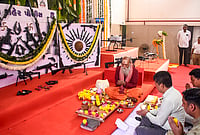
Ratha Yatra, the great Chariot Festival of Lord Jagannath, is one of the oldest and most beloved religious events in India. The festival is one of the biggest in India, celebrated every year in Jagannath Temple, Puri. It attracts millions of people from all over the world. Dedicated to Lord Jagannath, a manifestation of Lord Vishnu, the festival also pays tribute to his elder brother Lord Balabhadra and sister Goddess Subhadra.
Ratha Yatra is not just a magnificent parade of giant chariots but a festival of faith, humility, equality and divine love. Every holiday ceremony has been passed down for centuries and holds deep spiritual meaning. Ratha Yatra 2026 is approaching, and here are the major traditions that make Lord Jagannath’s event so special.
1. Snana Yatra – The Sacred Bathing Ceremony:
The celebrations start with Snana Yatra, which precedes the big Ratha Yatra. On this day, the goddesses are ritually bathed with 108 pots of holy water.
Traditionally, after this thorough bathing, the deities are said to feel unwell and retreat from public view for roughly fifteen days. This time is called Anasara, a time when the devotees wait for the Lord to appear again, excitedly, before the magnificent parade.
The ritual represents purification, renewal, and the intimate connection of the divine to human feelings and experiences.
2. Every Year Construction of New Chariots:
A special feature of Ratha Yatra is that the three giant wooden chariots are reconstructed each year anew from sacred neem wood by indigenous artisans.
Each god has their own special chariot:
Lord Jagannatha (Nandighosa).
Taladhwaja for Lord Balabhadra.
Darpadalana (also called Devadalana) for Goddess Subhadra.
It is constructed by hereditary artisans according to centuries-old rules of architecture that keep alive a historic history of devotion and workmanship.



3. Pahandi - The Grand Procession of the Gods:
The most awaited rite is Pahandi, where the deities are ritually taken out from the shrine of the Jagannath Temple to their separate chariots.
The idols move ahead in a rhythmic swaying manner accompanied by religious chants, drumbeats, conch shells and ecstatic yells of devotees. When the Lord comes out to bless mankind, people see the air charged with spiritual force.
'Pahandi' signifies the readiness of the divine to come out of the temple and go nearer to every devotee.

4. Chhera Pahara - The King's Humble Service:
The most inspiring tradition of Ratha Yatra is perhaps Chhera Pahara performed by the Gajapati King of Puri.
The king, in his royal garb, sweeps the platforms of the three chariots with a golden broom and sprinkles sweet water and sandalwood.
This rite has an eternal message. All are equal before God, irrespective of status or position. Even the king himself serves the Lord with humility, teaching believers that the essence of greatness is selfless service.
5. The sacred chariots drawn:
Ratha Yatra is characterised by the pulling of Lord Jagannath’s chariots. Thousands of devotees gather to pull the giant wooden chariots with tight ropes.
Taking part in this deed is said to be exceedingly auspicious. Pulling the chariot is a symbol of bringing oneself closer to the Divine and releasing one’s ego, pride and worldly attachments spiritually.
The festival eloquently captures the spirit of solidarity, devotion and collective faith.
6. Stay at Gundicha Temple:
After visiting Gundicha Temple, the divine siblings stay there for a few days.
It is a traditional belief that the Gundicha Temple is the aunt’s residence of Lord Jagannath. This temporary stay is a symbol of a loving family's visit and of the Lord’s wish to bless followers outside the confines of the temple.
Thousands of people come to Gundicha Temple during this time to receive the blessings of the deities.
7. Bahuda Yatra - The Journey Back:
After their stay, the deities return to the Jagannath Temple in the Bahuda Yatra, often known as the 'ulto rath' in Bengal.
The return procession is also held as sacred. It is the culmination of a spiritual quest, reminding followers that all paths of devotion ultimately lead back to the Divine.
8. Suna Besa - The Golden Dress:
Suna Besha is a rite where Lord Jagannath, Lord Balabhadra and Goddess Subhadra are beautifully dressed up with gold ornaments after Bahuda Yatra.
This glorious event is the symbol of heavenly majesty, prosperity and eternity. Thousands assemble for the rare sight of the deities in golden clothing.
9. Niladri Bije - The Last Ritual:
The event culminates on Niladri Bije, when the deities re-enter the Jagannath Temple.
A popular belief says Goddess Lakshmi does not allow Lord Jagannath to enter after he left without alerting her. So the lord gives her Rasagolla as a symbol of love and reconciliation, and then she is accepted back into the temple.
This wonderful custom signifies forgiveness, mutual respect and peace in partnerships.
Spiritual meaning:
All the traditions of Ratha Yatra have a deep spiritual lesson:
God comes out to bless all, regardless of socioeconomic standing.
Humility is better than power or fortune.
To worship is to serve others.
Every journey has a purpose and a meaningful return.
Unity, compassion and commitment make society strong.
These perennial teachings still inspire millions of adherents across the generations.

Ratha Yatra 2026 is much more than a religious parade. It is a living tradition that symbolises religion, equality, dedication and divine compassion. Be it the holy Snana Yatra, the awe-inspiring Pahandi procession, the simple Chhera Pahara, the majestic chariot procession, the golden Suna Besha or the emotional Niladri Bije, each ritual is steeped in centuries of spiritual knowledge.
On this auspicious occasion of Lord Jagannath's annual voyage, devotees are reminded that genuine devotion is not just about rituals but also about humility, kindness, and the commitment to pursue the road of righteousness with faith and thanks.