


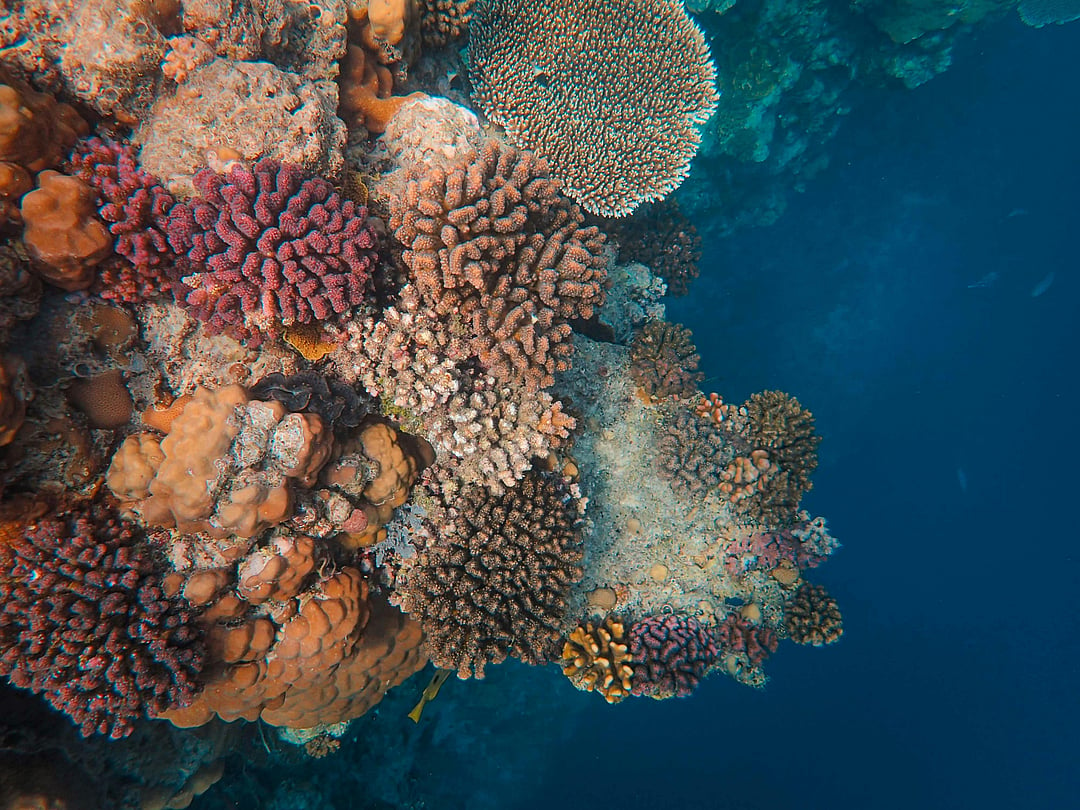

In the far-flung islands of French Polynesia, where written records often fade into gaps and silences, archaeologists are turning to an unexpected source to piece together the past—coral. Embedded in the walls of 19th-century buildings, these marine remnants are now helping researchers establish timelines for colonial-era structures with a precision that has long proved elusive.
A new study focused on the Mangareva Islands has demonstrated how uranium-thorium (U-Th) dating can be applied to coral blocks used in construction, offering a more direct way to estimate when buildings were erected. The approach marks a notable departure from traditional archaeological methods, which typically rely on artefacts or patchy colonial archives. Here, the material itself becomes the record.