The US Senate has advanced a Russia sanctions bill that could allow up to 100% tariffs on India, China and other countries buying Russian energy.
Donald Trump suggested adding Iran tariffs to the bill, a move that could delay its progress in Congress.
The legislation comes amid strained India-US trade ties, with both sides negotiating a new tariff agreement.
US President Donald Trump on Wednesday reacted to a Russia sanctions bill that cleared the US Senate on Tuesday, which threatens to impose severe trade penalties on several nations. Lawmakers cleared the legislation through an 86-12 procedural vote.
Authored by the late Senator Lindsey Graham, the proposed law targets India, China, Slovakia, Hungary and Azerbaijan. The measure authorises imposing up to 100% tariffs on these countries to curb their reliance on Moscow and proposes sanctions against Russian officials. It also leaves it to the president's discretion to remove those tariffs.
India remains the second-largest importer of Russian crude oil, trailing only China. The legislation aims to apply extreme economic pressure on the Russian government regarding its invasion of Ukraine.
Trump Demands Iran Tariffs
Trump suggested modifying the legislation to grant him sweeping authority to levy tariffs against Iran. Speaking to reporters in the Oval Office, the US president outlined his conditions, which could potentially delay the bill's advancement.
"It shouldn't be necessary, to be honest. But if it's necessary I'd like them to add Iran as tariffs, not just as sanctions, I think that's important, that's what Lindsey wanted," Trump said.



Some Democratic lawmakers oppose granting such tariff powers to the president. They warned that these measures could significantly drive up domestic import costs, and some have indicated they will oppose the measure.
The proposal could slow the legislation as it heads to the House of Representatives. Lawmakers in the lower chamber are scheduled to reconvene in September to evaluate the bill, which must first clear additional procedural stages in the Senate.

Strained Bilateral Trade Ties
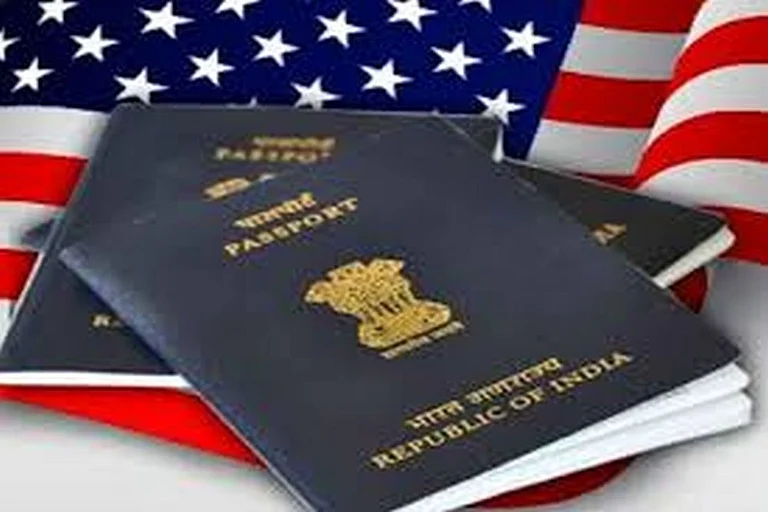
Washington previously penalised New Delhi over Russian energy purchases in August 2025, accusing New Delhi of "fueling Putin's war". Trump announced an additional 25% tariff on Indian goods during that period, bringing the total penalty to 50%, matching the level imposed on China and Brazil. This move brought trade negotiations to a standstill.
However, after the US-Iran war broke out in February 2026, global energy markets came under pressure as the Strait of Hormuz was blocked, sparking an energy crisis. In response, the US granted a waiver on Russian oil, allowing India to restart its purchases.
Following this exemption, Indian imports of Russian crude surged by 34% in June 2026. These shipments reached a record €4.5bn, representing 36% of Moscow's total crude export revenue. This was reported by HT, citing data from the Centre for Research on Energy and Clean Air.
The US and India are currently negotiating a bilateral trade agreement expected to reduce the overall tariff on Indian exports to 18%. At present, Indian goods entering the US face a 15% tariff after the US Supreme Court struck down Trump's tariff increases. However, this is only a temporary rate and is scheduled to expire on July 24.