Mumbai Police used WhatsApp live location requests, phone calls, and home visits to prevent young demonstrators from joining the Cockroach Janta Party protests.
Versova police Senior Inspector Deepshika Vare reportedly instructed a protester to share her live location as proof of staying at home.
Activists and protesters alleged that home visits were used to inform families of the youngsters' participation without their consent to discourage them.
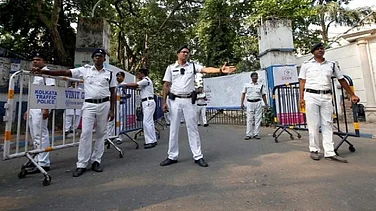
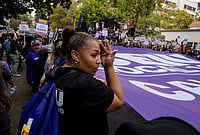
Mumbai Police deployed calls, home visits and live location requests to prevent young demonstrators from returning to the streets during the Cockroach Janta Party (CJP) protests. The tactics targeted individuals already booked in First Information Reports (FIRs) linked to the demonstrations.
A protester circulated WhatsApp screenshots showing Versova police Senior Inspector Deepshika Vare instructing her to stay home and transmit her live location. The messages asked the protester to keep the location tracking on as proof of compliance.
Vare declined to comment on the exchange. Another officer at the Versova station confirmed the police registered an FIR against the protester, but clarified she was not detained.
Pressure on Young Protesters
Police stations across the city actively discouraged youth from participating through direct contact. One demonstrator noted the underlying strategy behind officers arriving at residences.
"While they did not visit my residence, many protesters were youngsters who had not told their families about it. By sending policemen to their houses, it was also a way of informing their families and discouraging them from joining the protest," the protester said.


A 20-year-old participant received a telephone call from the Shivaji Park police station. Officers instructed him to remain at home, stating they would visit as part of an ongoing investigation. "It was clear that it was their ploy to ensure that we do not leave our houses and join other protests," he said.
A representative of Mumbai Against Suppression of Students (MASS) informed that most had already been served notices over the Monday and Tuesday protests. "While some received calls on Wednesday morning warning them against joining any further protests, saying they were already named in an FIR, others had police officials visit their homes with the same warning," the member said.
An engineering student at Dadar confirmed the deterrent effect, noting a friend who had been served a notice after Monday’s protest stayed away from Wednesday’s demonstration after a police call. "Today’s protest was important because there will be no gatherings from tomorrow. We had planned to participate together, but my friend could not come after receiving the call from the police. She was told that since she had already been served a notice, if she was seen at another protest, it could create problems for her," the student said.
Legal Actions and Surveillance
The police registered multiple FIRs against demonstrators under Bharatiya Nyaya Sanhita Sections 189(2), 189(3), 189(5) and 223, which relate to unlawful assembly and disobedience. The police also invoked Sections 37 and 135 of the Maharashtra Police Act for organising unauthorised assemblies and obstructing public ways. Officers subsequently served notices under BNSS Section 35(3), directing detained individuals to join the investigation.
A senior officer said the department aimed to protect the futures of young participants who might face hurdles in passport verification due to an FIR. "In cases we have found whatsapp numbers that are operating from Indian students abroad. We are looking into identifying them but we are trying to discourage students to protest and get FIRs against them which would hamper their future and processes like passport verification," the officer said.
Civil rights advocates heavily criticised the surveillance measures, scroll.in reported. People's Union for Civil Liberties lawyer Lara Jesani condemned the live location requests as "intimidation tactics" designed to monitor and scare young students.
Legal experts Samya Korde and Vikrant Khare challenged the digital monitoring. Khare said demanding live location data from non-detained individuals "is restricting the right to freedom of movement".
Despite the strong statements from legal professionals condemning the police surveillance, no formal court petitions have been filed specifically challenging these live-location demands as of late July 2026.