

Visiting places marked by conflict can make history feel less distant, because it is still visible in the landscape itself. In Croatia, the legacy of the 1991–1995 war is not confined to museums or textbooks; it appears in the built environment and, at times, in the gaps where destruction once occurred. What stands out is the contrast between restored spaces and the traces that remain. Cities such as Dubrovnik and Vukovar, both heavily damaged during the conflict, continue to reflect that past in different ways, even after reconstruction. Other sites—like the Vukovar water tower, nearby memorials, or the abandoned Yugoslav-era tunnels on islands such as Vis—bring that time into sharper focus.
International
Tracing The Croatian War Of Independence Through Landscape
Croatia’s landscapes still carry visible traces of the 1991–1995 war, where restored cities, memorial sites, and abandoned military spaces sit alongside everyday life, revealing how conflict continues to shape place and memory

OT Staff
23 April 2026
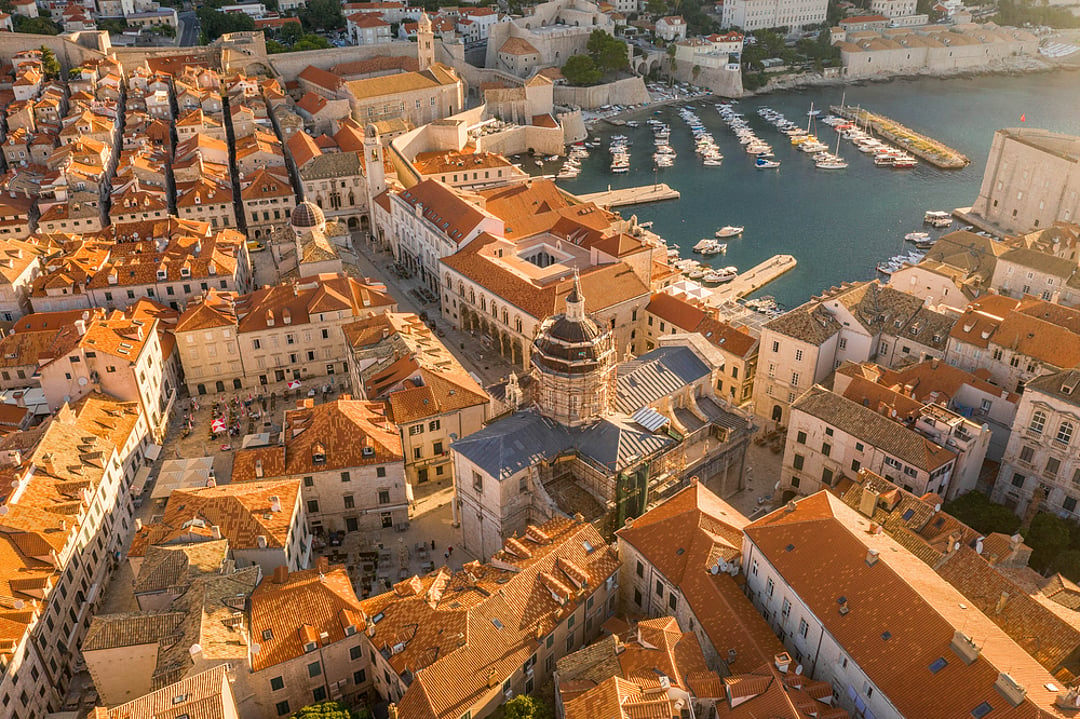
One of the most striking places to encounter the legacy of the war is the Old Town of Dubrovnik Photo: Shutterstock
One of the most striking places to encounter the legacy of the war is the Old Town of Dubrovnik Photo: Shutterstock

CLOSE