With less than a week to go for Indian cricket's biggest experiment in history, the nervousness is palpable among the new cricket czars who have sunk millions of dollars in Indian Premier League (IPL) teams. Most are hopeful that the inaugural version of the tournament would set standards and pave the way for a robust future. Yet, no one can put a finger on when they will—if at all—break even.
R. Balachandran, president, Reliance Retail, puts up a brave face: "All revenue streams cannot be developed in the inaugural year of the tournament. No business works like that." Yogesh Shetty, CEO of GMR Sports, which owns the Delhi Daredevils team, agrees: "The franchisees that put in money believe it's a business model. You do not look at it in one year, but reap the fruits of what you put in now, later."
However, cracks are already showing. The IPL central management has made it clear that beyond the share of the central revenue, central sponsorships and media rights, the franchisees would have local revenue streams like ticket sales, local sponsorships and merchandising. In reality, there may be fewer opportunities for the franchisees. Take in-stadium advertising, for instance. Out of 72 advertising boards on the boundary ropes, only 12 have been given to the franchisees, while IPL will control the lion's share. Other in-stadium advertising will also be controlled primarily by IPL, and it will also share the giant screen time with the franchisees. Not many franchisees are happy with this.
Even stadium ticket sales—one of the biggest revenue streams for franchisees—have a rider attached. According to an official, 20 per cent of tickets in each category have to be reserved for IPL. That could be significant. As it is, franchisees plan to offer discounts on existing ticket rates to attract crowds. Says Shriram Ramdas, who handles marketing for the Delhi team: "Franchisees would be conservative in the first few years and keep ticket rates affordable and competitive. At Kotla, sections normally sold for Rs 1,500-5,000 will initially be offered for Rs 1,000."
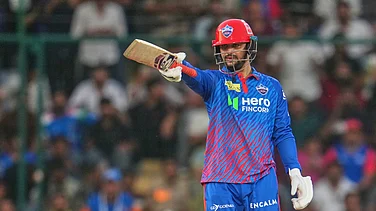
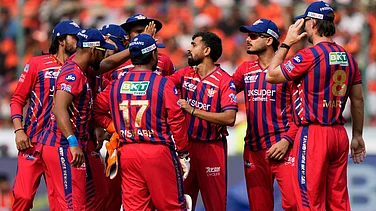
Also, despite having the rights over player apparel, the title sponsor DLF will sit on prominent places—the right sleeve and on T-shirt backs—leaving franchisees with smaller display areas apart from space on helmets, bats and sunshades. As for merchandising, money could trickle in only when the tournament inspires cult following among fans for them to buy jerseys and team memorabilia. Says Shriram, "In the first few years, the revenue streams would be small. Hopefully, they will become bigger as innovative schemes develop over the years."
IPL COO Sundar Raman, however, feels that there are enough revenue opportunities for the teams and it depends on the managerial skills of the franchisees to turn them into money. "Some teams would break in early. The franchisees were clear about the revenue model from day one. It depends on how they monetise what they have," he says. Of course, the franchisees may find solace in the fact that they don't have to pay the entire team cost upfront. Says Balachandran: "The money has to be paid in 10 tranches in 10 years after which a revenue share model would come in." And they will get a share of the revenue pool too.
For now, franchisees are trying every trick in the book to ensure eyeballs. Feels just like Bollywood, as team owners anxiously await the big Friday premiere on which rest their hopes for the future.