Iran and Oman held talks on reopening the Strait of Hormuz and ensuring safe shipping.
Donald Trump paused US airstrikes as diplomatic efforts over the Strait of Hormuz continued.
Strait of Hormuz shipping traffic remained sharply reduced despite ongoing diplomatic negotiations.
Iranian and Omani deputy foreign ministers held critical talks here on Friday and Saturday to manage the strategic Strait of Hormuz. Foreign ministry spokesman Esmaeil Baghaei said the discussions focused on "common principles and operational mechanisms" to ensure safe shipping passage while respecting the sovereign rights of both states.
Baghaei described the negotiations as "useful" and said progress had been made. He said "technical and political consultations between the two sides were continuing".
The diplomatic push coincided with a sudden pause in US military action. US President Donald Trump declined to authorise a 14th consecutive night of airstrikes proposed by the Pentagon, ordering a hold-fire instead. The order followed the arrival of an Omani delegation in Tehran "for talks on a new arrangement to reopen the Strait of Hormuz", news site Axios reported.
The Islamabad Truce Collapses
The recent conflict follows the failure of the Islamabad MoU. Trump, Iranian President Masoud Pezeshkian and Pakistani Prime Minister Shehbaz Sharif signed the agreement on June 17.
Its terms mandated a 60-day ceasefire and the removal of the US naval blockade within 30 days. It also promised immediate sanctions relief for Iranian oil and the reopening of the Strait of Hormuz.
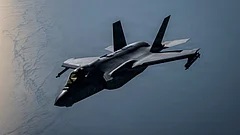


The truce shattered quickly. Iran's Islamic Revolutionary Guard Corps breached the agreement by attacking commercial vessels outside Tehran-approved routes, Impact Policies reported. The offensive began with a drone strike on the Ever Lovely on June 25, prompting the US to resume bombing.

Before the breakdown, Oman and Iran discussed imposing shipping service fees in June. The US opposed this measure. Oman also offered ships transit through its own waters. This proposal angered Tehran and triggered further regional escalation.
Strait Traffic Near Standstill
The waterway is almost empty. Daily vessel crossings through the Strait of Hormuz fell by approximately 70% as of July 23, 2026, Kpler reported. Traffic dropped from a truce-period average of 45 ships to just 13 per day.
Weekly tanker transits collapsed to 39 between July 13 and July 19, down from 85 the previous week. Transits by non-Iranian linked vessels plummeted to 25 from 108 in the same period, Lloyd's List Intelligence reported.
Official channels remain quiet.
A Department of Defense source told CNN that military "operations [are] on a hold", while White House Communications Director Steven Cheung said Trump prefers a diplomatic resolution, Turkiye Today reported. Cheung said the US "continues to retain all options" if Iranian aggression persists.
The maritime barrier remains active. A CENTCOM statement confirmed that despite the temporary halt in airstrikes, the US naval blockade of Iranian ports remains in "full effect", Tribune reported.