
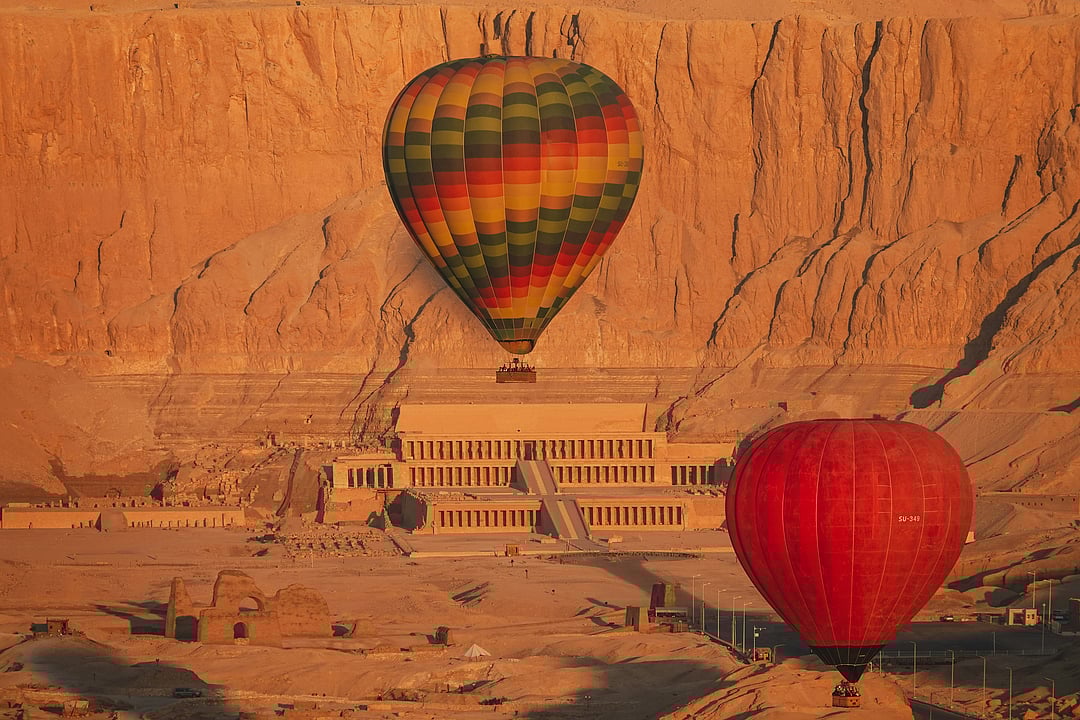

There are places that feel ancient, and then there’s Luxor—a city that casually radiates 4,000 years of architectural flexing before breakfast. Cairo may dominate with its pyramids and traffic jams, but Luxor is where ancient Egypt feels startlingly intact, almost as if the pharaohs just slipped out for a snack and will be right back. Here, temples aren’t ruins so much as living storyboards, like columns marching towards the sky, sphinx-lined avenues, and hieroglyphic reliefs that still retain their colour deep inside the tombs. For first-timers, Luxor can be overwhelming in the best possible way, there’s so much to see, decode, photograph, and simply stand in front of with your jaw open. But with a smartly planned three-day itinerary, you don’t just tick off the “important stuff,” you learn how the pieces connect: life and death, gods and kings, power and vanity, engineering and devotion. And that’s where Luxor shines, not as a checklist, but as a narrative.
Three days here is the bare minimum—and also just enough to feel utterly transported.