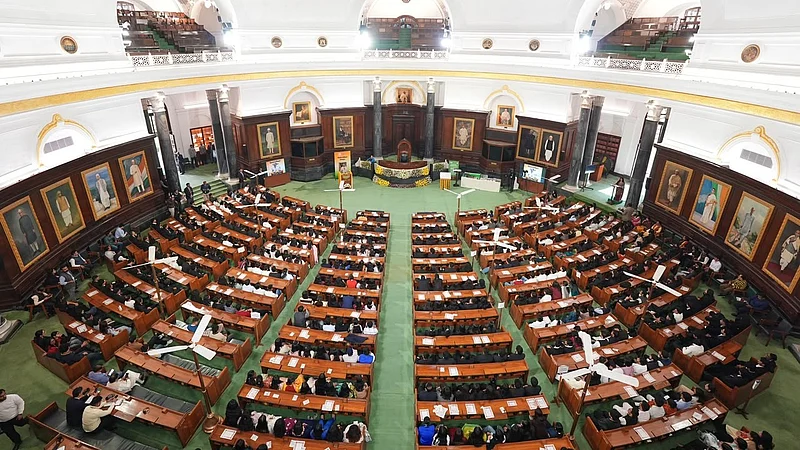
The Cockroach Janta Party has urged all parties, especially in the south, to oppose the Delimitation Bill in the special session starting November 30, warning of partisan redrawing of constituencies.
The Delimitation (Second) Bill proposes a 50% seat increase, a new map before 2029, 33% women's reservation and a seat freeze until 2051, after the April amendment failed 298-230.
The INDIA bloc wants women's reservation within 543 seats and a 25-year freeze, while the CJP's accusations against the BJP and the Chief Election Commissioner are its own claims.
A movement that began as a joke has made a very serious request. The Cockroach Janta Party, a satirical youth movement styled as a political party, has appealed to all parties and MPs to oppose the Delimitation Bill ahead of the Special Session of Parliament beginning on November 30.
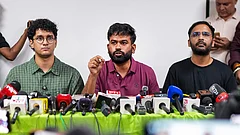
Any party that enables the exercise, it says, will be committing a "grave betrayal of the people's mandate". Its chief spokesperson, Saurav Das, singled out opposition parties, especially from the south, asking them to "keep petty politics aside" and defeat the Bill.

What The Cockroach Janta Party Is Asking
The group's central charge is gerrymandering. With polling-booth results, electoral rolls and past voting patterns, it argues, boundaries can be drawn to favour one party by concentrating rivals' voters in some seats and splitting them across others, changing outcomes without a single extra vote. It says it fears that, without independent scrutiny, redrawn boundaries could give the BJP a lasting advantage. The BJP has not responded to the statement.


The statement goes further than process. It says the Election Commission's management of electoral rolls has been questioned, citing allegations of wrongful deletions and a lack of transparency in the Special Intensive Revision. It calls Chief Election Commissioner Gyanesh Kumar "a traitor to democratic norms", a characterisation that is the party's own and which the Commission has not answered in the reports I reviewed. It also separates women's reservation from the Bill.
The CJP says it supports the quota, and that using it "as a cover" to redraw constituencies is a distraction. Spokesperson Ashutosh Ranka cautioned that parties backing the Bill have "no clue what gerrymandering" they are signing up for, and policy lead Mehr Pasricha said whether the Lok Sabha has 550 or 850 members is "immaterial" next to jobs, education and air quality.
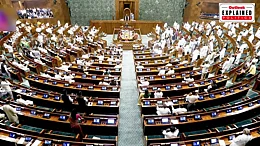
What The Bill Does, And Where The Parties Stand
The Delimitation (Second) Bill, 2026, provides for a 50% increase in Lok Sabha seats for each state and Union Territory, a new constituency map before the 2029 general election, 33% reservation for women and a freeze on seat allocation until 2051. The Centre is to introduce it during the special session.
This is the government's second attempt. In April, the Constitution (131st Amendment) Bill, which would have raised the Lok Sabha's strength to up to 850 and operationalised the women's quota, failed on April 17, with 298 votes in favour and 230 against. The Delimitation Bill was withdrawn after it. At the time, Home Minister Amit Shah assured the House that the five southern states' seats would rise from 129 to 195, and that their share would edge up from 23.76 to 23.87%.
The opposition wants something different. INDIA bloc leaders met at Congress president Mallikarjun Kharge's residence on Saturday and rejected any expansion of the Lok Sabha, demanding that women's reservation be rolled out within the current 543 seats, along with a 25-year freeze on state seat allocation. The two sides therefore agree on the quota and disagree on the House's size, and a constitutional amendment needs a two-thirds majority, which the government lacked in April.
For the CJP, the vote is a test of the opposition's nerve. Das says the youth will be "BETRAYING" if any party trusts the government to redraw constituencies, and he asks parties only to do their job in Parliament "with HONOUR and PRINCIPLE".