Embassy of India in Moscow issued the advisory on 11 November for Indian nationals travelling to Russia
The warning covers Pregabalin, Dextromethorphan, Codeine, Testosterone and Clonazepam
Russian authorities may seize the medicines or take legal action, including arrest, depending on quantity
Indian nationals travelling to Russia face the risk of confiscation of medicines or even arrest if they carry certain prescription drugs without the documents required under Russian law. In an advisory issued on 11 November, the Embassy of India in Moscow warned travellers about five medicines—Pregabalin, Dextromethorphan, Codeine, Testosterone and Clonazepam.
The embassy issued the warning after several instances of passengers being intercepted by Russian airport authorities for carrying these medicines. It informed travellers that violations could draw legal action, with penalties depending on the quantity involved.
The medicines are commonly available in India on prescription from licensed medical practitioners. But Russian rules treat them differently, which makes the advisory immediately relevant for Indian travellers heading there.
Restricted Medicines List
The five medicines named by the embassy are Pregabalin, Dextromethorphan, Codeine, Testosterone and Clonazepam. In India, they are available as scheduled drugs and can be bought with prescriptions issued by licensed medical practitioners.
Russia classifies these medicines under tighter legal categories. According to the advisory, Russian authorities treat them as either “potent and poisonous substances” or “narcotic drugs, psychotropic substances and precursors”.
That difference matters at the airport. A medicine that is legal to buy in India with a prescription can still trigger action by Russian authorities if a traveller carries it without the paperwork required there. The embassy also informed travellers that the full list of restricted medicines is available on the Russian Federal Customs Service website.
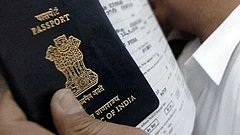



Travel Documents Required
The embassy set out a clear process. Indian nationals carrying prescription medicines that fall under Russia’s restricted categories should declare them at customs through the Red Channel and produce the required medical documents.
Travellers must carry a valid prescription along with its notarised Russian translation. The embassy warned that an Indian prescription on its own may not be enough to meet Russian legal requirements.
The consequences can be serious. Depending on the quantity involved, authorities may seize the medicines or arrest the traveller. For those who cannot arrange a notarised Russian translation in India, the embassy has advised travelling without the restricted medicines. It informed travellers that such medicines can be procured in Russia only after completing the necessary legal formalities.
Job Offer Warning
The government has also issued a separate warning. The Ministry of External Affairs has cautioned Indian nationals against accepting unverified job offers in Russia, especially offers that could lead to recruitment into the Russian armed forces.
The ministry has, in multiple earlier advisories, warned Indians against private recruitment agents and job offers that promise high salaries but may route them into military service. It has also warned that working in Russia on a tourist visa is illegal and can expose people to detention and other legal consequences.
These warnings come against the backdrop of concerns over Indians being lured to Russia through employment offers and later finding themselves in dangerous circumstances linked to the ongoing Russia-Ukraine war.