


Rubio said trade negotiations with India were among the factors considered in Trump’s decision on the Russia oil waiver.
Trump’s October 16 order waived specified measures under the Graham Act targeting major buyers and facilitators of Russian oil.
The decision comes as India and the US work to finalise a bilateral trade agreement.
US Secretary of State Marco Rubio said on Monday that the prospect of finalising a trade agreement with India was among the factors considered by President Donald Trump when deciding to waive sanctions and tariff measures under a law targeting Russia and countries buying its energy. His remarks connect the India-US trade negotiations to Trump's decision to waive specified measures intended to increase pressure on Russia over the war in Ukraine.
Speaking to reporters in Samarkand, Uzbekistan, Rubio said the US was close to finalising a trade agreement with India. His remarks came three days after Trump signed an executive order waiving specified duties and sanctions under the Lindsey O. Graham Sanctioning Russia and Iran Act of 2026.
The waiver removes the immediate threat of additional penalties under the Graham Act, but does not guarantee permanent relief. It follows a separate February decision to remove an additional 25% tariff on Indian goods after Washington said India had committed to stop importing Russian oil. The February trade framework separately lowered the US reciprocal tariff rate on Indian goods to 18%.
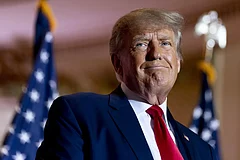


Rubio says trade deal is among factors behind waiver
“We're trying to finalise a trade deal with India right now. We're very close to doing that. So that's one of the things we take into consideration when the President makes a decision about national security waivers and things of that nature,” Rubio said.
Rubio also referred to the difficulties countries face when trying to replace Russian energy supplies. He said the administration had to account for global energy prices and the economic consequences of restrictions, noting that geographical constraints could make it difficult for some countries to find alternative suppliers.
“Geography is real. For some countries, it's very difficult to acquire energy from alternative sources,” Rubio said, according to Hindustan Times.
Rubio said Trump wanted up to 60 days to assess the economic implications of the measures. The executive order did not specify a fixed end date for the waiver, and the review period does not itself mean the waiver will expire after 60 days.
What the October waiver means for India
The order provided for an additional 100% duty on goods from the five largest importers of Russian-origin crude oil and natural gas if they knowingly made qualifying new purchases on or after October 18. It also provided for a 100% duty on goods from the five largest facilitators of Russian oil sanctions evasion. The order waived the specified measures rather than repealing the legislation.
The October waiver is separate from the February decision to remove the additional 25% tariff on Indian goods over Russian oil purchases. The former concerns specified measures under the Graham Act; the latter was a separate tariff action linked to India's commitment on Russian oil imports.
February Tariff Cuts And India’s Russian Oil Commitment
Rubio's remarks come amid negotiations on the broader India-US trade agreement and follow separate tariff decisions announced in February.
Under the framework, Washington said it would apply an 18% reciprocal tariff rate to originating Indian goods, down from 25%. Separately, Trump signed an executive order removing the additional 25% tariff previously imposed on Indian goods over India's Russian oil purchases.
In a separate executive order issued on February 6, the White House said India had committed to stop directly or indirectly importing Russian oil. The order authorised officials to monitor whether India resumed those purchases and consider whether to recommend further action, including reimposing the additional tariff.
The joint statement accompanying the interim framework outlined further commitments on market access, tariffs and economic cooperation. India agreed to eliminate or reduce tariffs on US industrial goods and a range of agricultural products. It also indicated its intention to purchase $500 billion worth of US energy products, aircraft and aircraft parts, precious metals, technology products and coking coal over five years.
The February 6 joint statement said the framework would advance negotiations on the broader bilateral trade agreement. On October 15, Commerce Minister Piyush Goyal said the first tranche had been finalised and was undergoing legal drafting. He said it would be operationalised once India secured a comparable or competitive advantage over its peers.