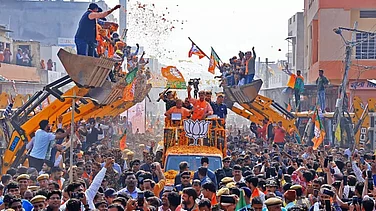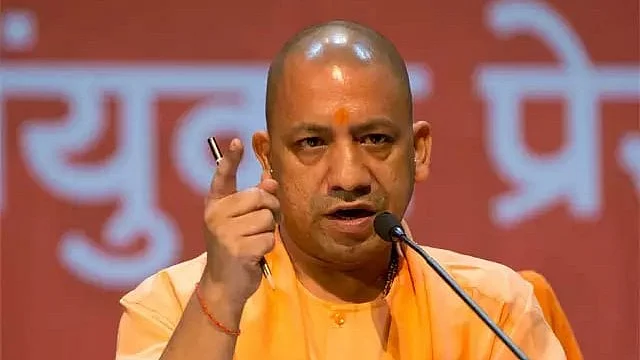
The BJP is aiming for a third consecutive term in Uttar Pradesh.
Akhilesh Yadav’s SP is seeking to expand beyond its traditional Muslim-Yadav base through the PDA strategy.
The BSP, the Samajik Parivartan Morcha, electoral-roll revision and delimitation debates could complicate the electoral arithmetic.
The political contest in Uttar Pradesh is beginning to gather momentum ahead of the 2027 Assembly elections, with the Bharatiya Janata Party (BJP) seeking a third consecutive term and the Samajwadi Party (SP) attempting to turn its gains in the 2024 Lok Sabha elections into a return to power.
After nearly a decade in office, the BJP faces questions over unemployment, inflation, farmers’ distress and recruitment irregularities. The SP, meanwhile, is seeking to build a broader social coalition through its PDA (Pichhda, Dalit, Alpasankhyak) strategy, bringing together backward classes, Dalits and minorities.
The 2024 Lok Sabha results have given the Opposition an opening, but translating that performance into an Assembly victory will depend on caste equations, opposition unity and the BJP's organisational strength.
However, the 2024 Lok Sabha elections altered the political arithmetic. The BJP's tally fell from 62 seats in 2019 to 33, while the SP won 37 and the Congress six. Together, the INDIA bloc secured 43 of the state's 80 parliamentary constituencies.
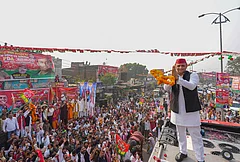

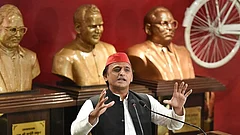
An analysis published by People's Democracy on November 29 found that the BJP led in 162 Assembly segments in the 2024 Lok Sabha elections, compared with 184 for the SP. However, parliamentary results cannot automatically be translated into Assembly outcomes, where local candidates and constituency-level equations matter.
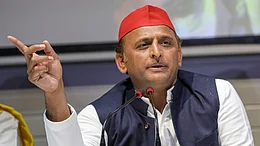
BJP’s Strategy: Organisation, Governance And Caste Arithmetic
The BJP's preparations centre on strengthening its organisation, projecting the Yogi Adityanath government's record and retaining its social coalition.
The party is focusing on booth-level mobilisation, voter outreach and coordination with the RSS. It is also assessing constituency-level weaknesses and the performance of sitting legislators.
The BJP is expected to highlight law and order, infrastructure development and welfare delivery. Its action against criminal networks, bulldozer demolitions and police encounters is likely to feature prominently, alongside comparisons with the SP's 2012-2017 tenure.
Welfare schemes, including free ration and housing programmes, will be important in retaining support among economically weaker sections, women and rural voters.
Another priority will be protecting its support among non-Yadav OBC communities and sections of Dalit voters. The SP's PDA campaign directly challenges this coalition. The BJP will seek to retain communities such as Kurmis, Mauryas, Sakyas and Nishads, alongside its upper-caste base.
Alliance management will also matter. The Apna Dal (S), Nishad Party, Suheldev Bharatiya Samaj Party and Rashtriya Lok Dal bring distinct regional and caste constituencies to the NDA.
Another new issue coming to the fore is the internal divisions within the BJP’s state unit. UP Deputy CM Keshav Prasad Maurya has stated that the party will contest the election with ‘lotus’ symbol as the CM face, despite Yogi Adityanath’s two consecutive terms. These divisions were cited as among the primary reasons for the saffron party’s disappointing performance in the state.
Akhilesh Yadav’s PDA Strategy: Expanding Beyond Muslim-Yadav Support
The SP's biggest challenge is to broaden its traditional Muslim-Yadav support base and attract non-Yadav OBCs and Dalit voters.
Akhilesh Yadav has increasingly linked the PDA outreach to constitutional protection, reservation, unemployment and electoral rights. At a Dalit Mahasammelan in Agra on November 15, he raised the slogan 'Save the Vote, Save the Constitution', seeking to strengthen the party's appeal among Dalit voters.
The SP is also attempting to make unemployment, recruitment examination irregularities, inflation and farmers' distress central campaign issues. These concerns could help it reach young voters and rural communities dissatisfied with the government's performance.
However, converting this outreach into a durable electoral coalition remains a challenge, particularly given the BJP's established support among non-Yadav OBC communities.
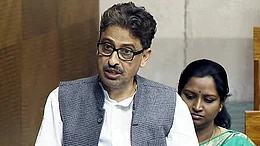
Congress-SP Alliance: The Seat-Sharing Challenge
The Congress-SP alliance could be a crucial factor in the election, but negotiations over seat-sharing have exposed differences between the two parties.
In 2024, the SP won 37 Lok Sabha seats and the Congress six in Uttar Pradesh, demonstrating the potential of coordinated campaigning. However, their experience in the 2017 Assembly elections, when the alliance won only 54 seats, illustrates the difficulties of translating parliamentary coordination into state-level success.
According to media reports the Congress initially submitted a list of 181 constituencies, arguing that it needed to maintain its organisational presence across the state. The SP, meanwhile, questioned the demand in view of the Congress's limited Assembly performance.
The challenge will be to settle on a constituency-wise arrangement based on organisational strength and electoral prospects rather than allowing seat-sharing differences to undermine opposition coordination.
Delimitation And Electoral Rolls Enter The Political Debate
Delimitation and electoral-roll revision have emerged as additional points of confrontation.
On November 28, Akhilesh Yadav accused the BJP of using the proposed delimitation exercise to divert attention from unemployment, inflation and farmers' grievances. According to a PTI report, he said the SP supported women's reservation but opposed linking its implementation to delimitation.
The Special Intensive Revision (SIR) of electoral rolls has also generated controversy. People's Democracy reported that approximately 2.89 crore names were removed from Uttar Pradesh's electoral rolls during the exercise, with the Opposition questioning possible exclusions. The accuracy of electoral rolls and the verification process are likely to remain politically sensitive ahead of the elections.

BSP And Smaller Parties: A Complication In The Electoral Arithmetic
The BSP remains relevant despite its declining electoral performance. It won just one Assembly seat in 2022 and failed to win a Lok Sabha seat in 2024, but its traditional Dalit support base could influence several constituencies.
The Samajik Parivartan Morcha, an alliance between Asaduddin Owaisi's AIMIM and Chandrashekhar Azad's Azad Samaj Party (Kanshi Ram), adds another dimension. Seeking to mobilise Dalits, Muslims and marginalised communities, the alliance has declared Azad its chief ministerial face.
Its impact will depend on its ability to translate social outreach into constituency-level support. It could also complicate the SP's attempt to consolidate Dalit and Muslim voters through the PDA formula.