



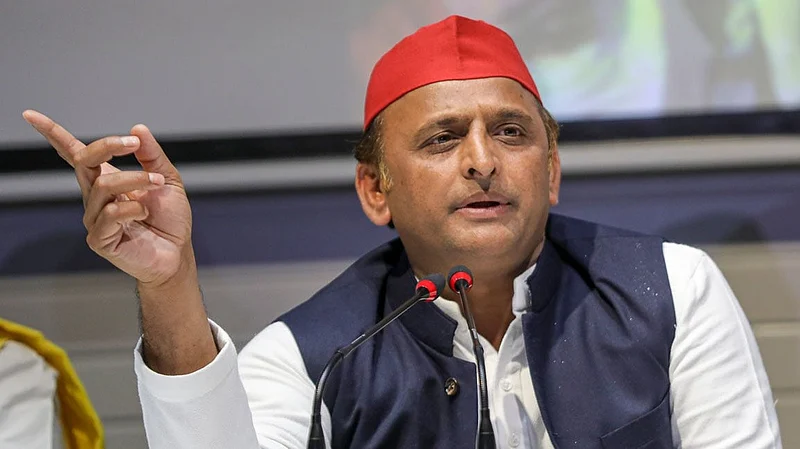
Akhilesh Yadav’s Samajwadi Party has ruled out a Bihar-like seat-sharing formula with Congress for the 2027 Uttar Pradesh Assembly elections.
SP’s proposed 26-seat allocation has clashed with Congress’s demand for more than 100 constituencies in UP.
The INDIA bloc allies remain divided as SP pushes for candidate winnability and joint PDA candidates over fixed seat quotas.
The Samajwadi Party (SP) has signalled that it is unwilling to replicate the Bihar seat-sharing arrangement with the Congress in Uttar Pradesh, as differences over the allocation of constituencies persist ahead of the 2027 Assembly elections. The party has instead pushed for constituency-level negotiations based on electoral performance and candidate winnability, even as differences over the number of seats remain unresolved.
The disagreement came into focus during the second round of seat-sharing discussions between the two INDIA bloc allies in New Delhi on Tuesday. According to News18, the SP cited the Congress’s performance in Bihar to argue against conceding a similar number of constituencies to its ally in Uttar Pradesh, where the Congress has sought more than 100 seats.
The SP's reference to Bihar centres on the 2020 Assembly elections, when the Congress contested 70 constituencies as part of the Mahagathbandhan but won only 19, recording a strike rate of around 27 per cent. The RJD, meanwhile, won 75 of the 144 seats it contested, recording a strike rate of around 52 per cent.
According to INDIA bloc sources cited by News18, Tuesday's negotiations lasted several hours, with the two sides discussing constituency-level claims and electoral prospects. The SP reportedly maintained that the Congress could not secure a larger share simply by demanding a particular number of seats without establishing the viability of its candidates.
During the discussions, the SP asked the Congress to identify its prospective candidates for the constituencies it wants to contest. It also ruled out compromising on seats represented by its sitting MLAs, maintaining that the allocation should take into account existing political representation and the electoral strength of individual candidates.
The SP had initially proposed allocating 26 constituencies to the Congress, although the two parties differed over the proposal. The Congress had earlier submitted a list of 130 constituencies it wanted to contest, following an initial demand of 181 seats. The SP had expected the Congress to seek only a limited number of additional seats after its initial offer of 26 constituencies. However, towards the end of Tuesday's meeting, the Congress reportedly reiterated its demand for more than 100 seats, underlining the differences between the two allies.
News18 reported that the SP wanted the negotiations to be guided by political realities, previous electoral performances and candidate winnability rather than headline seat-sharing figures. The party's 26-seat proposal was itself based on electoral calculations. The proposal included two constituencies won by the Congress in the 2022 Assembly elections, four where it had finished second, and 20 others where the SP had secured between 60,000 and 70,000 votes, compared with around 2,000 for the Congress.
The two parties failed to reach an agreement during Tuesday's meeting, although negotiations are expected to continue. The SP's position on seat allocation also became more significant after it announced its first list of five candidates for the 2027 Assembly elections later that day.
The list included Umar Ali Khan from Behat and Ashu Malik from Saharanpur, two constituencies in western Uttar Pradesh that the Congress and its Saharanpur MP, Imran Masood, had been eyeing. The timing of the announcement was significant, as the SP named candidates for two constituencies that had figured in the Congress's wishlist while seat-sharing negotiations were still underway.
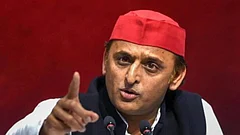
Meanwhile, SP chief Akhilesh Yadav sought to present an alternative to negotiations centred on fixed seat quotas through a public message on X. He advocated “seat adjustment” instead of a conventional division of constituencies, arguing that the two parties should jointly assess electoral prospects and select candidates with a better chance of winning.
Yadav also urged the Congress to identify additional potential constituencies beyond the 26 already discussed and share its wishlist with the SP leadership. He proposed that both parties examine individual seats and prospective candidates together, with joint nominees fielded as “PDA candidates” rather than being treated as candidates belonging exclusively to either party.
Yadav's proposal comes as the two parties remain divided over the number of constituencies each should contest, with further discussions needed to reach a seat-sharing agreement ahead of the 2027 Assembly elections.








