



SP and Congress, once allies in 2017, contested the 2019 and 2022 elections separately before reuniting in 2024.
The INDIA bloc won 43 of Uttar Pradesh's 80 Lok Sabha seats in 2024, with SP winning 37 and Congress six.
The reported 26-seat offer against Congress's demand for 131 has brought fresh strain to their alliance ahead of the 2027 Assembly polls.
The Samajwadi Party (SP) has reportedly offered the Congress 26 seats in Uttar Pradesh for the 2027 Assembly elections, a day after the grand old party sought 131 seats as part of ongoing alliance negotiations. The two parties are holding their second round of seat-sharing discussions on Tuesday.
According to ABP News, the SP is considering restricting Congress to 26 seats, while the latter is unwilling to settle for fewer than 100. The report also said Congress has indicated that it could walk out of the alliance and contest all 403 Assembly constituencies independently if the SP does not agree to its demand for a triple-digit seat share.
The latest disagreement has once again brought the SP-Congress relationship into focus. From joining hands for the 2017 Assembly elections to contesting separately in 2019 and 2022, and then coming together again for the 2024 Lok Sabha elections, the two parties have had an uneven electoral relationship.
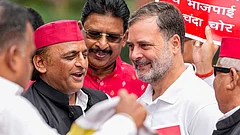


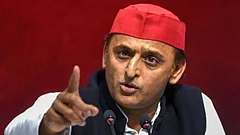

Uneasy Partnership
Their alliance in 2024 helped the INDIA bloc outperform the BJP-led National Democratic Alliance (NDA) in Uttar Pradesh, a state where the BJP had maintained a strong electoral position since 2014. However, the ongoing seat-sharing negotiations suggest that differences persist between the two parties despite their recent electoral success.
Their political relationship has also extended beyond electoral arrangements. Rahul Gandhi and Akhilesh Yadav have shared the stage at INDIA bloc meetings, while Akhilesh and his wife, Dimple Yadav, were seen alongside Sonia Gandhi at her book launch. Yet, with the 2027 Assembly elections approaching, seat-sharing has emerged as a fresh test of their partnership.
Here is a look at how the SP-Congress relationship has evolved over the years.

SP-Congress Partnership In 2017
The Congress's decline in Uttar Pradesh had been underway for decades. On December 5, 1989, when Mulayam Singh Yadav took over as chief minister following the Janata Dal's victory in the Assembly elections, it marked the end of Congress rule in the state. Since then, the party's electoral performance and vote share have largely declined, barring a few exceptions.
Ahead of the 2017 Uttar Pradesh Assembly elections, the Congress and SP came together in a much-publicised alliance. The partnership followed prolonged negotiations in January, which nearly fell apart before a breakthrough was reached.
Akhilesh Yadav, then the chief minister, had recently taken control of the SP following a family feud. The seat-sharing discussions also involved Mulayam Singh Yadav, his aide Amar Singh and political strategist Prashant Kishor. A breakthrough eventually came after Sonia Gandhi's intervention through her aide Ahmed Patel.
Under the final arrangement, the SP was allotted 298 of the 403 Assembly seats, while Congress received 105.
The two parties also campaigned together under the slogan 'UP Ke Ladke', referring to Akhilesh Yadav and Rahul Gandhi. Their joint campaign included roadshows and rallies, with the slogan 'UP Ko Yeh Saath Pasand Hai'.
However, the alliance failed to translate its campaign into electoral gains. Congress eventually contested 114 seats and won only seven, securing 6.25% of the vote. The SP won 47 seats, while the BJP secured a decisive victory with 312 seats.
The defeat exposed organisational weaknesses and coordination problems within the alliance, while the BJP benefited from a strong electoral wave.
SP Joins Hands With BSP In 2019 Lok Sabha Polls
The SP and Congress did not continue their partnership in the 2019 Lok Sabha elections. Akhilesh Yadav instead joined hands with Bahujan Samaj Party (BSP) chief Mayawati to challenge the BJP in Uttar Pradesh.
The Congress contested separately. The SP-BSP alliance failed to stop the BJP's electoral dominance, with the BJP winning 62 of the state's 80 Lok Sabha seats. The SP won five seats, while the BSP secured 10. Congress managed to win only Rae Bareli, where Sonia Gandhi was elected.

Congress & SP Contest Separately Again In 2022
The two parties once again contested separately in the 2022 Uttar Pradesh Assembly elections. SP entered the contest with smaller regional parties, including the Rashtriya Lok Dal (RLD) and the Suheldev Bharatiya Samaj Party (SBSP), while Congress fought independently.
The BJP and its allies retained power, winning 273 seats in the 403-member Assembly. The BJP alone secured 255 seats.
The SP emerged as the principal opposition party with 111 seats. Its allies, the RLD and SBSP, won eight and six seats, respectively.
Congress, meanwhile, suffered another electoral setback. Having contested 399 seats, it managed to win only two, with a vote share of 2.33%. The BSP won just one seat.
The results further underlined Congress's limited electoral presence in Uttar Pradesh, while the SP remained the principal challenger to the BJP.

INDIA Bloc Brings SP And Congress Together Again In 2024
The 2024 Lok Sabha elections marked a turning point in the relationship between the two parties. The SP and Congress reunited under the INDIA bloc banner to challenge the BJP-led NDA in Uttar Pradesh.
The alliance produced a significantly better result than their previous electoral arrangements. According to the Election Commission's final figures, the SP won 37 of the 62 seats it contested, while Congress secured six of the 17 constituencies it fought.
Together, the two parties won 43 of Uttar Pradesh's 80 Lok Sabha seats, outperforming the NDA, which secured 36. The BJP won 33 seats, while its allies, the RLD and Apna Dal (Soneylal), won two and one seats, respectively.
The result was a major setback for the BJP in a state where it had performed strongly in the previous two general elections. It also strengthened the SP-Congress partnership and gave both parties a reason to continue their electoral understanding.








