



Mumbai's earlier attacks include the 1993 serial blasts (257 killed), the 2003 Mulund train and Gateway of India and Zaveri Bazaar bombings, the 2006 train blasts and the 2011 triple blasts.
Jaishankar marked 26/11's 18th anniversary on X, reaffirming "zero tolerance for terrorism" and a commitment to bringing those involved to justice.
The Bombay High Court acquitted all 12 convicts in the 2006 case in July 2025 and the Supreme Court stayed that ruling, while the alleged masterminds of the 1993 and 2011 attacks remain absconding.
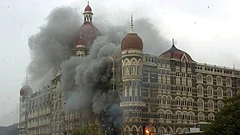
Mumbai counts its grief in dates, and one of them has crowded out the rest. On 26 November 2008, 10 Lashkar-e-Taiba terrorists from Pakistan arrived by sea and, in a 60-hour siege, killed 166 people, including 18 security personnel.
The attack has since become the city's shorthand for terror, and the world knows it by its numerals. The city remembers more. One medical study of the city's record counted over 700 deaths from terror attacks across two decades. These are the other attacks, and what became of them.

1993 Mumbai Blasts: Thirteen Explosions That Shook The City
The first came on March 12, 1993, when 13 coordinated blasts ripped through the city's commercial and social hubs, killing 257 people and injuring more than 700. The Bombay Stock Exchange and the Air India building were among the targets. Mumbai was still recovering from the riots that followed the demolition of the Babri Masjid in December 1992, and the blasts are believed to have been carried out in retaliation. It was the first of their kind in India. The alleged masterminds, Tiger Memon and Dawood Ibrahim, remain absconding. Actor Sanjay Dutt was sentenced to six years for possessing a weapon from the consignment linked to the attacks, though investigators could not establish that he was part of the conspiracy.


A run of smaller, sharper blows followed a decade later. A bomb at Mumbai Central station on 6 December 2002 injured 27 people, and on 27 January 2003 a woman was killed in a blast at Vile Parle. On 13 March 2003, a bomb tore through the first-class compartment of a Karjat-bound train at Mulund, killing 11 and injuring 82. The former general secretary of the banned SIMI, Saquib Nachan, was among the 10 convicted.
The worst of the 2003 attacks came on 25 August. Explosives planted in taxis at the Gateway of India and Zaveri Bazaar killed 54 people and injured 244. In 2009, a special court under the anti-terror law POTA sentenced three accused to death. Prosecutors said the conspiracy was hatched in Dubai. Zaveri Bazaar, the jewellery market, would be hit again. The 2011 blasts were the third there, after 1993 and 2003.

From Ghatkopar To The Local Trains: Attacks On Mumbai's Daily Commute
The next attacks chose the hour as much as the place. On July 11, 2006, seven near-simultaneous bombs struck first-class compartments of suburban trains across the city between 6.23pm and 6.29pm. Reports and court coverage give 189 dead, and about 824 injured.
The explosives were reportedly RDX and ammonium nitrate packed in pressure cookers, carried in bags on trains departing from Churchgate. The Maharashtra Anti-Terrorism Squad arrested 13 people, several linked to SIMI, and police alleged links to Lashkar-e-Taiba and Pakistan's ISI.

On July 13, 2011, near-simultaneous bombs rocked Zaveri Bazaar, Opera House and Kabutarkhana in Dadar during the evening rush hour, killing 23 and injuring 127. Earlier counts that evening put the toll at at least 21, in what was then the biggest attack on the city since 2008.
Investigators from the ATS and the Mumbai Crime Branch alleged the plot involved the Indian Mujahideen, with Rs 10 lakh routed through hawala channels and Yasin Bhatkal named as a key conspirator. Three key suspects remained absconding.

26/11 And The Memory Of A City Under Attack
On Thursday, the 18th anniversary of 26/11, External Affairs Minister S Jaishankar wrote on X that he remembered the innocent lives lost and saluted the security personnel who made the supreme sacrifice. He added that India was committed to combating terrorism in all its forms and to "bringing those involved to justice". He ended with "Zero tolerance for terrorism." In South Mumbai, the bullet marks at Leopold Cafe and Nariman House, and the bust of Assistant Sub-Inspector Tukaram Omble, who died while capturing the lone surviving gunman Ajmal Kasab, keep the memory alive. Kasab was sentenced to death in May 2010 and hanged two years later.
Justice in the other cases has been far less tidy. A special court convicted 12 men for the 2006 train blasts in 2015, sentencing five to death and seven to life imprisonment.
On July 21, 2025, the Bombay High Court acquitted all 12, saying the prosecution had "utterly failed" to prove its case. Maharashtra appealed, and on July 24 the Supreme Court stayed the acquittal and said the High Court's judgment should not be treated as a precedent. The accused, already released, were not required to return to prison. The appeal is still pending. The alleged masterminds of the 1993 blasts are still absconding, as are the key suspects in the 2011 attack.
Eighteen years after 26/11, Mumbai's history of terror is not confined to one November night. It is a longer chronology of loss, resilience, investigations and an unfinished pursuit of justice.








