



The US is preparing additional tariffs on India, China, the European Union and 13 other economies following an investigation into industrial subsidies and excess manufacturing capacity.
The proposed duties would be imposed under Section 301 of the Trade Act of 1974 and added to existing US tariffs, although final rates and exemptions have not been announced.
India and Vietnam could face higher duties than some economies with trade agreements with Washington, while China is expected to face particularly steep tariffs, according to reports.
The global trade war is acquiring another front. The United States is preparing fresh tariffs on India, China, the European Union and 13 other economies, accusing them of sustaining excess industrial production through government subsidies that undermine American manufacturers.
The US Trade Representative (USTR), led by Jamieson Greer, is expected to release the findings of its investigation as early as this week, although the timing could change. The proposed duties would be imposed on top of existing tariffs, with the final rates and exemptions yet to be announced.
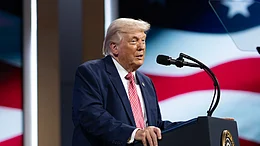
The investigation, launched on March 11 under Section 301 of the Trade Act of 1974, covers 16 economies: China, India, the European Union, Japan, South Korea, Vietnam, Taiwan, Thailand, Malaysia, Indonesia, Singapore, Switzerland, Norway, Bangladesh, Cambodia and Mexico.




Washington alleges that government support has encouraged manufacturers to produce more goods than domestic and global markets can absorb, creating excess capacity and allowing cheaper exports to compete with American products.

Why Washington Is Preparing Another Tariff Offensive
Section 301 gives the US government authority to impose trade measures against foreign practices it considers unfair or discriminatory towards American commerce. The Trump administration argues that subsidised production in major manufacturing economies has created persistent trade surpluses and an oversupply of goods, including steel, electric vehicles, solar products and other manufactured items. China, in particular, has been singled out over the scale of its industrial output. Beijing has rejected the broader criticism, arguing that its exports reflect competitive advantages.
The proposed duties are also part of Washington's attempt to rebuild its tariff regime after the US Supreme Court struck down the administration's sweeping 2025 tariffs in February. In July, the Trump administration imposed levies of 10 to 12.5 per cent on 60 trading partners over what it described as inadequate enforcement of bans on goods produced using forced labour.
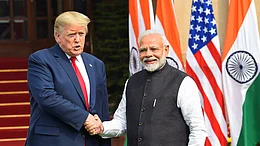
That action followed a separate Section 301 investigation. The new industrial-capacity duties would add another layer of import taxes.

India, China Face Different Tariff Risks
The proposed rates may not be identical across the 16 economies. According to The Wall Street Journal, countries that negotiated trade agreements with Washington, including the European Union, Japan and South Korea, could face lower overall tariff rates. India and Vietnam may face higher duties, depending on the terms of their arrangements with the US, while China is expected to face particularly steep penalties. These are reported expectations, not final rates.
The timing is significant for India, which is seeking to stabilise trade relations with Washington. Additional duties could raise costs for Indian exporters and complicate negotiations, depending on the products covered and exemptions granted. For China, the move comes even as US President Donald Trump and Chinese President Xi Jinping have pursued renewed engagement. Beijing's trade surplus reached nearly $1.2 trillion last year, reflecting the strength of its export machine and the weakness of domestic demand.








