Trump’s new law targets Russia and countries purchasing its energy exports.
India faces potential tariffs because it remains a major Russian crude buyer.
The law permits duties of up to 100 per cent on Indian goods.
US President Donald Trump’s new Russia sanctions law puts Indian exports at risk of tariffs of up to 100 per cent because of New Delhi’s continued purchases of Russian crude.
The Lindsey O. Graham Sanctioning Russia and Iran Act of 2026, signed by Trump on Friday, however, does not immediately impose the maximum duty on Indian goods. It instead requires the US administration to identify countries covered by its Russian energy provisions and determine the applicable tariff.
India is vulnerable because it remains one of Russia’s largest crude buyers. Whether it faces additional duties will depend on Washington’s assessment, the tariff rate selected and any waiver granted by Trump.
Why Has the US Introduced The Law?
The legislation is aimed at reducing the revenue Russia receives from energy exports and uses to sustain its war against Ukraine.
It targets Russian officials, banks, energy interests, defence-related networks and the “shadow fleet” of vessels used to move oil outside Western restrictions. The law also extends existing sanctions against Iran for five years.
Ukrainian President Volodymyr Zelenskyy welcomed the legislation, describing sanctions as an important tool for pushing Russia towards peace.


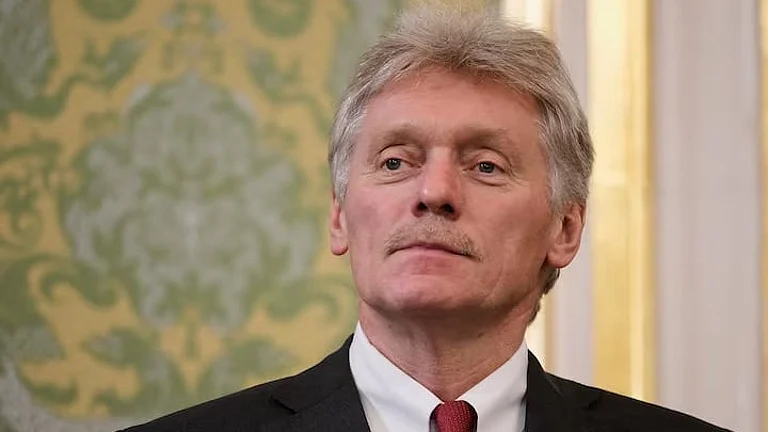
Moscow criticised it. Kremlin spokesperson Dmitry Peskov called further US sanctions “unfriendly actions” and said they could complicate efforts to secure a settlement in Ukraine.
What Provision In The Act Affects India
Section 112 allows the US to impose tariffs of up to 500 per cent on goods imported directly from Russia. These include oil, natural gas, petroleum products, petrochemicals and coal.
Section 113 covers countries purchasing Russian-origin crude oil or natural gas, as well as those facilitating sanctions evasion. It provides for duties of up to 100 per cent on all goods entering the US from a qualifying country.
The new duties would be imposed on top of other applicable American tariffs.
The provision covers countries that knowingly continue buying Russian oil or gas and rank among the five largest importers by volume. It also covers the five leading countries found to be facilitating the evasion of Russian oil sanctions.
Before imposing or changing a tariff, the President or US Trade Representative must provide congressional committees with a written justification for the rate and explain how the targeted country was identified.

Why Is India Exposed?
The risk arises from the scale of India’s Russian crude purchases. According to the Centre for Research on Energy and Clean Air, India accounted for around 37 per cent of Russia’s crude exports between December 2022 and August 2026, second only to China.
India’s crude sourcing changed sharply after the Ukraine war. Russia’s share was below 15 per cent before 2022 but subsequently increased substantially, while the Gulf’s share fell from more than 55 per cent to below 30 per cent, according to the Global Trade Research Initiative.
What Could Be The Potential Economic Impact On India
A steep tariff would primarily affect Indian exports to the U.S., rather than directly raising the price India pays for Russian oil.
Duties approaching 100 per cent could make Indian products significantly more expensive in the American market, reduce their competitiveness and hurt exporters. The final impact cannot be assessed until Washington specifies the rate and its implementation.
The law introduces fresh uncertainty into India-US trade relations while the two countries negotiate a broader agreement. In February 2026, Washington removed the additional 25 per cent tariff previously imposed over India’s Russian crude purchases and reduced its reciprocal tariff to 18 per cent under a bilateral trade framework.
Ajay Srivastava, founder of GTRI, described the legislation as an attempt to pressure India.
“India buys Russian oil to secure affordable energy for 1.4 billion people, not to finance war,” he said, according to the BBC.
Srivastava warned that tariffs of up to 100 per cent would hurt Indian exporters and American consumers while disrupting bilateral trade.

Can India Receive an Exemption?
The law gives Trump the power to waive tariffs or sanctions if he certifies to Congress that doing so serves the US national interest. He must also submit a report explaining the decision.
Washington can also adjust the tariff rate if a covered country takes significant steps to reduce or stop purchases of Russian oil or gas.
India has said it will protect its energy and economic interests. The External Affairs Ministry said New Delhi remained “firmly committed to ensuring energy security for its 1.4 billion people” through diversified sourcing and evolving market conditions.
The ministry said India had explained to U.S. officials that restrictions on its Russian oil trade could affect both bilateral relations and the wider international energy market.
How India Has Responded?
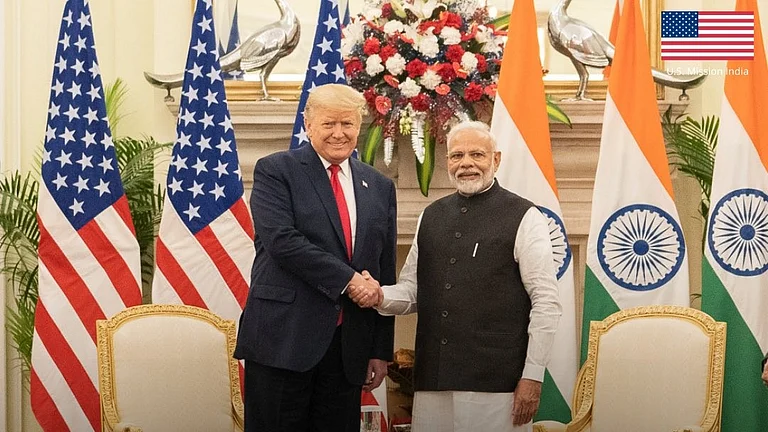
India has said it will take necessary measures to protect its trade, economic and energy-security interests.
The External Affairs Ministry said New Delhi remained “firmly committed to ensuring energy security for its 1.4 billion people” through diversified sourcing and evolving market conditions.
The ministry said India had discussed its Russian oil trade with senior U.S. officials and clearly explained the possible consequences for bilateral relations and the international energy market.