Trump signed the law on September 18, after the Senate passed it 86-11 and the House agreed to the Senate amendments 262-159.
The 100% tariff is a maximum rate, not an automatic tariff being imposed on India or China. The administration has discretion over implementation.
The law has two major tracks: expanded measures targeting Russia and a five-year extension of the Iran Sanctions Act.
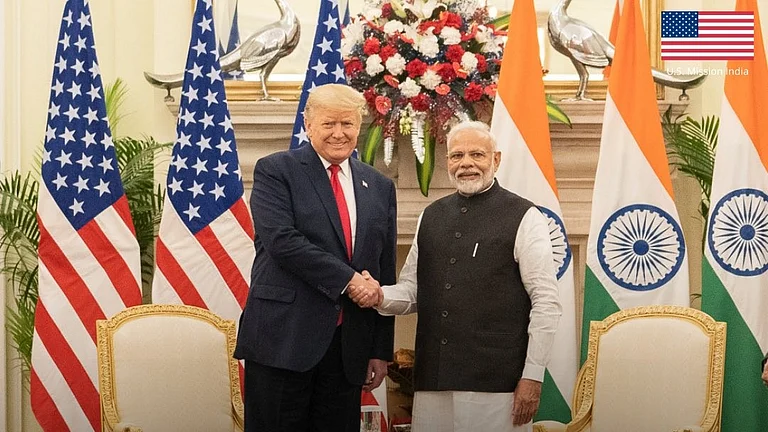
US President Donald Trump signed the Sanctioning Russia and Iran Act, which seeks to impose steep levies on Moscow and its top energy buyers such as China and India.
“On Friday, September 18, 2026, the President signed into law: H.R. 5334, the “Lindsey O. Graham Sanctioning Russia and Iran Act of 2026,” which authorises and expands statutory sanctions, tariffs, and prohibitions on Russia and extends existing sanctions on Iran,” the White House said.
What Does The New Law Target?
The House of Representatives on Wednesday passed the Sanctioning Russia and Iran Act, which seeks to impose sanctions on Russia's leadership and energy sector -- as well as on collaborators in Moscow's defence industry and its so-called shadow fleet.
The Act also authorises Trump to impose tariffs of up to 100 per cent on countries buying Russian oil and gas, including China and India.

The law gives Trump wide discretion over implementation, including which countries face tariffs, the tariff rates imposed, and whether sanctions provisions are waived.



Why Does It Also Mention Iran?
The law comes into effect within 30 days of signing by the President and requires him to impose duties of up to 100% on goods imported from countries that are the top five purchasers of Russian crude oil or natural gas by total volume during the 12 months preceding enactment.
A country is exempt from the gas-related duties if its Russian gas imports accounted for less than 15 per cent of Russia's total exports during the applicable period and it has taken "significant steps" to reduce those imports.
The legislation targets Russia's “shadow fleet” and other foreign persons involved in supporting Russian energy production or sanctions evasion, including vessel owners, operators, managers, insurers, and other parties engaged in covered activities.
The legislation is not limited to Russia. It extends the Iran Sanctions Act of 1996 for another five years, maintaining US authorities to restrict economic activity linked to Iran's energy and weapons sectors.
The Trump administration had backed the legislation, saying stronger economic measures could increase pressure on Russia to move towards a negotiated settlement in the Ukraine war. The administration also supported extending the Iran sanctions framework, citing concerns over Iran's nuclear programme and support for militant groups.
The law's impact will depend partly on how the Trump administration uses the powers it has been given. The legislation does not automatically impose a 100% tariff on every country purchasing Russian oil or gas.
The bill passed the Senate 86-11 in August and the House 262-159 on September 16 before being signed by Trump. It was named after the late Republican Senator Lindsey Graham, one of its principal supporters.