



Around 70 graduating students had objected to the reported invitation to CJI Surya Kant, citing his remarks during a hearing on alleged police action against protesters
The BCI initially barred the entire 2026 batch from enrolment and sought an inquiry into those who allegedly organised or coordinated the campaign, drawing criticism from the legal fraternity
The Council later allowed all students to enrol and ultimately dropped the proceedings, saying the batch had no role in any “disturbance or movement”
In the early hours of Friday, the Bar Council of India’s (BCI) withdrew its decision to stop the enrolment of the entire 2026 graduating batch of NALSAR University of Law, Hyderabad. This sudden U-turn came just hours after its first announcement which triggered a sharp debate over student dissent, professional regulation and institutional autonomy.
The move followed a campaign by a section of NALSAR students against the reported proposal to invite Chief Justice of India Surya Kant as the chief guest for the university’s convocation.
The BCI has directed all State Bar Councils not to enrol any NALSAR student who graduated in 2026 until further orders and asked the university to identify those who had initiated, organised, coordinated or mobilised the campaign.
The decision was modified within hours following widespread criticism, allowing all graduates to enrol while retaining an inquiry into those allegedly involved. The BCI has now dropped the proceedings altogether, saying the 2026 batch had no role in any “disturbance or movement”.


Why did NALSAR students object to CJI's invitation?
The controversy began with a representation submitted to the NALSAR administration on July 23 by around 70 members of the outgoing LLB batch. Students objected to the reported proposal to invite CJI Surya Kant as the chief guest at the convocation.
Their objection was linked to remarks made by CJI Kant during a Supreme Court hearing concerning alleged police excesses against protesters at Delhi’s Jantar Mantar on July 20.
During the hearing, when the lead counsel offered to show video footage of the alleged police action, Kant reportedly said, “We are not interested in videos. We don’t have time to watch them.”
The NALSAR students said receiving their degrees from a dignitary whose reported conduct appeared dismissive of allegations of police brutality was uncomfortable with the values they had been taught at the university. Students from several junior batches later supported the representation.
The university had not officially confirmed that Kant would attend the convocation, nor had it announced a date.
What did the BCI order actually say?
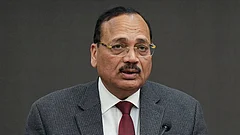
On August 13, BCI Chairman Manan Kumar Mishra directed all State Bar Councils not to enrol any student who graduated from NALSAR in 2026 as an advocate until further orders.
The Council also asked NALSAR Vice-Chancellor Srikrishna Deva Rao to submit an authenticated report within three days identifying those principally involved in initiating, organising, coordinating or mobilising the campaign.
It sought copies of representations and petitions submitted to the university, the complete list of signatories, details of meetings and social media groups, and information about any calls for a boycott or disruption.
The BCI said the temporary freeze was necessary because allowing enrolment while the inquiry was underway could interfere with the process. Mishra also said that a law student showing no regard or respect for the highest judicial office would not be expected to become a responsible or sensible advocate, teacher or judge.
Why was an entire graduating batch affected?
The central criticism of the BCI's first order was that it affected every member of the 2026 graduating batch, even though the Council was seeking to identify specific people who had allegedly initiated or organised the campaign.
The BCI itself later acknowledged that the “vast majority” of students were innocent and had not taken part in the alleged movement. Its revised order said all students would therefore be entitled to enrol with the State Bar Council of their choice.
This raised a basic question: if the alleged misconduct was attributable only to particular individuals, why should students who had nothing to do with it face consequences to their professional careers?
The BCI eventually concluded that the entire batch had no role in any “disturbance or movement” and closed the proceedings altogether.
What prompted the BCI's U-turn?
The initial order drew strong criticism from members of the legal fraternity and others. Supreme Court Bar Association president Vikas Singh called the decision “illegal, disproportionate and fundamentally unsustainable”, arguing that it amounted to an attempt to intimidate law students for exercising their fundamental right to freedom of speech and expression.
The BCI first reversed the blanket enrolment freeze, saying no student should suffer without fault on their part. It nevertheless retained a factual inquiry into those allegedly involved and said it had received information that some teachers and outsiders may have been instrumental in “instigating” students.
Later, after considering representations from senior advocates, members of the Bar, law students and members of the public, Mishra said the Council was satisfied that the 2026 NALSAR batch had no role in any disturbance or movement. The BCI therefore closed all proceedings.
Can a professional regulator penalise students collectively?
The episode raises a distinction between the BCI's regulatory role and individual responsibility. The BCI is the statutory body regulating legal education and the legal profession. It can examine questions concerning professional standards and entry into the profession.
But the BCI's own sequence of orders is significant. It initially imposed a restriction on the entire batch, then acknowledged that the vast majority of students were innocent, and finally concluded that the batch had no role in any disturbance.
The material provided does not establish that the BCI has a general power to collectively punish an entire graduating class for the alleged conduct of some students. What it does show is that the Council itself ultimately abandoned the proceedings after determining that the batch had not been involved in any disturbance.
Where does student dissent end and professional misconduct begin?
The students' action, as described, was a representation to university authorities opposing the reported invitation of the CJI. The BCI, meanwhile, distinguished between students who merely signed or supported the representation and those who may have organised, coordinated or mobilised a boycott, obstruction or disruption.
This distinction matters. Expressing disagreement is not the same as threatening or obstructing an institution. The BCI's own first communication said it did not, at that stage, consider participation in the representation or campaign by itself enough to disqualify anyone from enrolment.
The wider concern is that student protests and political disagreements on Indian campuses are increasingly being treated as law-and-order issues rather than democratic dissent. This can have consequences for academic freedom and debate, particularly in institutions meant to train students to engage critically with constitutional institutions.
What does the episode mean for legal education and institutional autonomy?
NALSAR's controversy puts two principles into tension: the need for professional standards in the legal profession and the need for universities to remain spaces of free thought and fearless debate.
There is also a question of who gets to decide matters of student discipline. Under the university governance provisions cited in the material, disciplinary powers relating to students of university departments and institutions vest with the Vice-Chancellor, who can exercise or delegate those powers under the relevant framework.
NALSAR's Vice-Chancellor had therefore said the university would first examine whether the BCI had the statutory and constitutional authority to seek such an inquiry under the university's governance framework.
The BCI's final decision means the 2026 batch will not face further proceedings. But the episode leaves behind a recurring difficult question, are universities still allowed to be spaces for free thought and dissent as they historically were, or is disagreement increasingly being treated as something to be disciplined?















