




Airbus's initial reading of the Digital Flight Data Recorder of flight AI-2379 showed a simultaneous loss of elevators, ailerons, and spoilers for four seconds.
The A-320 NEO aircraft violently dropped 300 feet mid-flight during its journey from Phuket to New Delhi due to a total failure of three hydraulic systems.
Co-pilot inputs had no effect during the cockpit stall warning until the hydraulic systems recovered seconds later.
Air India flight AI-2379 from Phuket to New Delhi violently dropped 300 feet mid-flight following an unprecedented technical failure. An initial reading of the Digital Flight Data Recorder (DFDR) by Airbus indicated a simultaneous loss of key control surfaces—elevators, ailerons and spoilers—for four seconds.
During this critical window, the A-320 NEO’s elevators and ailerons drifted without pilot command due to a total failure of the aircraft's three hydraulic systems. The autopilot disconnected immediately.
Following cockpit stall warnings, the co-pilot pushed his control stick forward to drive down the nose. A stall is a potentially deadly scenario in which the wings of the aircraft stop producing enough lift to keep it flying. However, with no hydraulic power available, his inputs had no effect until all three hydraulic systems recovered seconds later.
Unprecedented Hydraulic Failure
Hydraulic systems are critical to operating an aircraft's flight control surfaces. Elevators pitch the nose up or down, ailerons roll the aircraft by tilting the wingtips, and spoilers reduce lift, add drag and assist with braking on landing. While some telemetry was transmitted electronically to Airbus via the Aircraft Communications Addressing and Reporting System (ACARS), the airline downloaded the complete DFDR data after landing for immediate analysis.

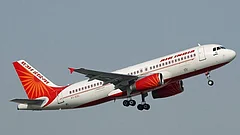

Airbus delivered its initial findings dossier to Air India just after midnight on August 5, approximately 15 to 16 hours after the mid-air loss of control.
The manufacturer linked the emergency on AI-2379 to a potentially faulty hydraulic pressure switch. However, the preliminary report identified no definitive root cause, and Airbus has not yet issued final safety recommendations.
Investigation and Pilot Testing
Experts from Airbus and the French accident investigator BEA accessed the aircraft on Thursday to conduct a physical examination. According to NDTV, that the international team forwarded their preliminary findings to India’s Aircraft Accident Investigation Bureau (AAIB), the nodal agency overseeing the probe.
Alongside the technical investigation, a separate issue emerged regarding the flight's commander. There are no observations presently on whether the conduct of the pilot in command of the flight, Captain Sudeep Vashistha, is linked to the serious safety incident on the Phuket-Delhi flight, though those details continue to be investigated. Vashistha failed two post-flight urine tests after testing positive for marijuana. The tests were initiated following a cabin crew complaint alleging the pilot had smoked the banned substance.
In response to the incident, Air India ordered all pilots across Air India and Air India Express to undergo mandatory testing to confirm the absence of banned substances and medication in their bloodstream.















