In Sri Lanka, 20 years after 17 aid workers were killed in Muttur, no one has been prosecuted for the massacre
International investigations raised concerns over the original inquiry and called for an independent accountability process
The case remains one of Sri Lanka's most prominent unresolved wartime crimes, with victims' families still seeking justice
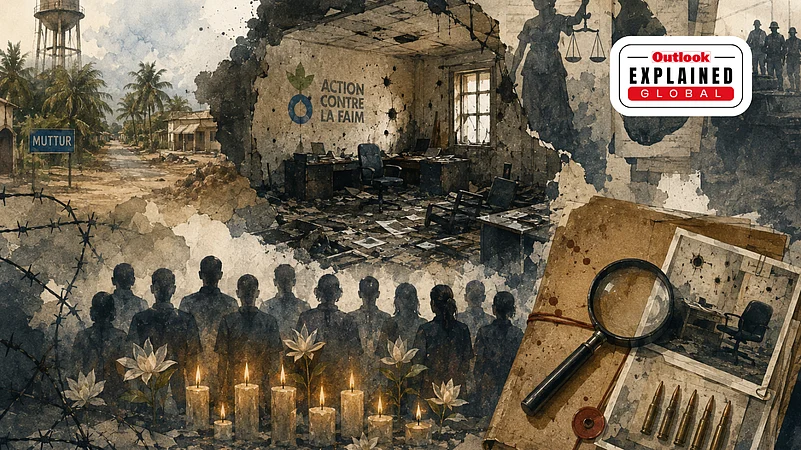
On August 6, 2006, the bodies of 17 Sri Lankan employees of Action Contre la Faim (ACF) were found inside the humanitarian organisation's office in Muttur, in Sri Lanka's eastern Trincomalee district. According to Action Contre la Faim, 16 of the victims were Tamil and one was Muslim, including five women. The staff had travelled to Muttur on August 1 to continue water and sanitation work for communities affected by the conflict.
The aid workers were found shot at close range, in circumstances that the United Nations (UN) and human rights organisations later described as resembling execution-style killings.
The killings drew immediate international condemnation. UN Emergency Relief Coordinator Jan Egeland described the attack as "brutal and senseless" and urged the Sri Lankan authorities to conduct a full investigation. UN Security Council Resolution had already condemned attacks against humanitarian personnel and called on parties to armed conflicts to protect aid workers.
Notably, under international humanitarian law, intentionally directing attacks against humanitarian personnel protected under the Geneva Conventions may constitute a war crime. Two decades later, however, the Muttur killings remain one of Sri Lanka's most prominent unresolved wartime cases.


Who Was Responsible?
Responsibility for the massacre has remained disputed since the bodies were discovered. Shortly after the killings, the Sri Lankan government said the Liberation Tigers of Tamil Eelam (LTTE) was responsible.
However, on 29 August 2006, the Sri Lanka Monitoring Mission (SLMM) said that, given the security situation after government forces had taken control of Muttur, "there cannot be any other armed groups than the security forces who could have been behind the act." The mission stressed that its assessment showed the security circumstances prevailing in the town at the time rather than a judicial determination of criminal responsibility.
Nearly a decade later, the Office of the UN High Commissioner for Human Rights' Investigation on Sri Lanka (OISL) concluded that there were reasonable grounds to believe that members of the Sri Lankan security forces committed the extrajudicial executions of the ACF workers. The finding was not a criminal conviction and did not identify individual perpetrators. It also recorded the Sri Lankan government's rejection of allegations that its forces were responsible and its position that LTTE involvement could not be ruled out.
No court has ever determined criminal responsibility for the massacre.
Investigations Plagued By Irregularities
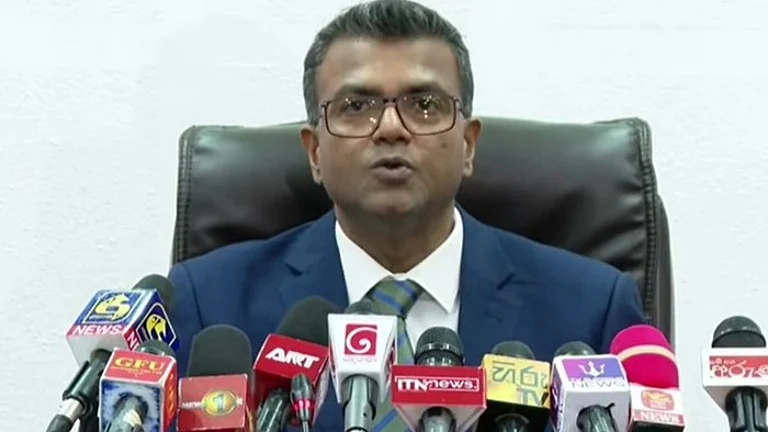
Although several investigations were launched, they quickly became the focus of criticism.
The International Commission of Jurists (ICJ) documented allegations that the magistrate responsible for the initial inquest faced threats and raised concerns that judicial independence had been undermined. The Sri Lankan government did not permit the ICJ's independent observer to attend the inquest proceedings, prompting criticism from the organisation.
A Presidential Commission of Inquiry, commonly known as the Udalagama Commission, later examined the case. However, according to ICJ reports, witnesses complained of intimidation, while some reportedly left Sri Lanka fearing for their safety because effective witness protection mechanisms were absent.
One of the most significant developments came when Australian forensic pathologist Dr Malcolm Dodd was permitted to conduct independent examinations after the victims' bodies were exhumed.
His findings differed from aspects of the forensic analysis presented by Sri Lankan investigators and raised fresh questions about the handling of forensic evidence.
Allegations Of Evidence Tampering
The forensic evidence became one of the most controversial aspects of the investigation. According to Dr Dodd, one of the recovered bullets was 5.56 mm calibre, whereas the Government Analyst later classified all recovered bullets as 7.62 mm ammunition.
The ICJ noted that 5.56 mm ammunition was compatible with weapons reportedly used by certain Sri Lankan security units, although it did not identify any specific individual or unit as responsible.
In his report, ICJ observer Michael Birnbaum QC expressed concern that a crucial piece of ballistic evidence may have been substituted after recovery.
The ICJ said the discrepancy raised concerns that the evidentiary value of the ballistic analysis may have been compromised and called for an entirely fresh and independent investigation.
Those concerns have never been fully resolved.

Why Has Nobody Been Held Accountable?
Despite repeated domestic inquiries and sustained international pressure, no one has been prosecuted or convicted for the killings.
During Sri Lanka's Universal Periodic Reviews in 2008 and 2012, UN member states raised broader concerns about accountability for wartime abuses and called for credible investigations into alleged violations. Sri Lanka accepted several accountability-related recommendations, but subsequent UN assessments found limited progress in implementing them.
The OHCHR Investigation on Sri Lanka (OISL) concluded in 2015 that Sri Lanka's criminal justice system was not yet capable of delivering the independent and credible investigations required for serious wartime violations.
Action Contre la Faim has repeatedly argued that accountability efforts have stalled because Sri Lanka chose not to proceed with the judicial mechanism envisaged under Human Rights Council Resolution 30/1, which proposed the participation of foreign judges, prosecutors and investigators to enhance credibility in investigating serious conflict-era crimes. The Sri Lankan government later said it would not establish such a mechanism.
Successive governments have rejected calls for international participation in domestic judicial processes.
Renewed Calls Twenty Years Later
In a communication issued ahead of the anniversary, UN human rights experts reiterated concerns that those responsible had still not been brought to justice and urged Sri Lanka to ensure effective investigations into the killings.
Action Contre la Faim has likewise continued to press for accountability, arguing that the failure to prosecute those responsible sends a dangerous message that humanitarian workers can be attacked with impunity.
International organisations including the International Commission of Jurists, OHCHR and humanitarian groups have consistently maintained that only an independent and credible accountability process can restore confidence in the investigation.
Families Still Waiting For Justice
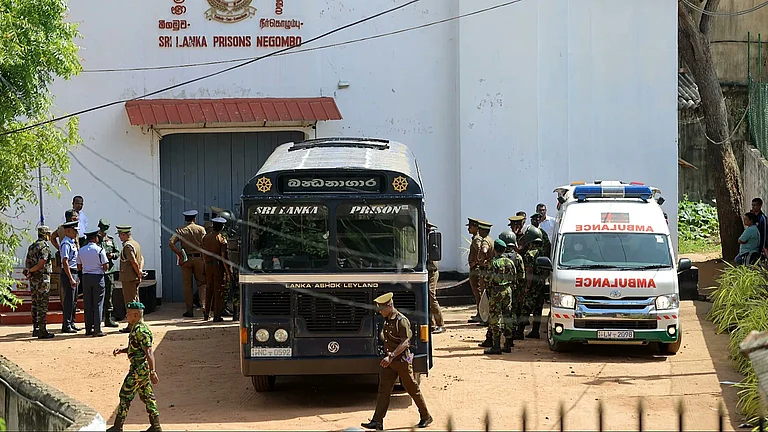
For the victims' families, the anniversary represents another year without answers. In submissions to the United Nations, Action Contre la Faim has said many relatives fear they will never see justice for those killed while carrying out humanitarian work.
Twenty years later, the Muttur massacre remains one of Sri Lanka's most significant unresolved wartime accountability cases. International investigations have documented serious concerns about the conduct of the original inquiry and identified reasonable grounds to believe that members of the security forces may have been involved, while domestic authorities have never brought anyone to trial. At the same time, the Sri Lankan government has consistently denied that its forces were responsible and has maintained that LTTE involvement could not be ruled out.
For the victims' families, the central demand remains unchanged: a credible investigation capable of establishing the truth and ensuring that those responsible, regardless of affiliation, are held accountable.