The FBI seized 13 websites allegedly linked to Chinese intelligence recruitment operations
An investigation identified more than 100 additional suspicious domains offering consulting assignments to Americans
Former government officials, military personnel and researchers are among the alleged targets
The resignation of Jensen Huang as Nvidia's chief executive earlier this month brought an alleged Chinese intelligence connection into the spotlight of America's technology industry. Alice Huang, a former executive of Singapore-based Megaspeed International, was reportedly in contact with an officer of China's Ministry of State Security (MSS) while in a relationship with the former Nvidia chief.
The revelations prompted questions about whether Beijing had sought access to one of America's most influential technology executives. US officials, however, have stressed that investigators have not concluded Alice Huang acted as a Chinese spy. Singapore's government has also clarified that she was never investigated for espionage, although its authorities examined suspected false declarations involving Megaspeed's server purchases.
Days later, during his visit to Shenzhen, US President Donald Trump offered a blunt description of the wider intelligence contest. When asked about Chinese spying, he said, “We spy on China, they spy on us. That's part of the game.”
The remark came as another aspect of that rivalry was coming into view. A CNN investigation found that suspected Chinese operatives may be using an extensive network of fictitious consulting firms and job advertisements to approach current and former US government personnel. The operation, according to the investigation, could be considerably larger than the FBI's earlier takedown of 13 websites.



How Do The Fake Recruitment Firms Operate?
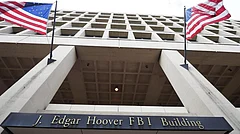
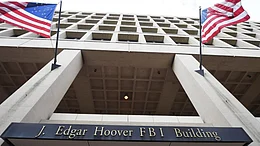
The FBI first exposed the alleged operation in June, when the US Justice Department announced the seizure of 13 domains linked to fake consulting companies. According to the seizure affidavit, the websites had been created from November 2023 to attract current and former US government and military employees with access to sensitive information.
The companies presented themselves as legitimate consultancies, advertising positions such as “Senior Analyst” and “International Affairs Consultant”. They used fictitious identities, aliases, stolen photographs and AI-generated images to give their websites and recruiters an appearance of credibility. Vacancies appeared on professional and freelance platforms, including LinkedIn and Upwork, often offering attractive payments for research on subjects relevant to Beijing.
The initial assignments could appear routine. Applicants might be asked to prepare reports on foreign policy, military cooperation or regional security using publicly available material. The approach could then become more demanding, with recruiters seeking exclusive assessments, insider information or reports drawing on confidential sources.
The FBI affidavit describes payments routed through overseas accounts, fictitious online payment identities and cryptocurrency. Recruiters also used Telegram and other encrypted messaging applications, while contracts and confidentiality agreements gave the purported companies an additional appearance of legitimacy.
The value of the exercise lies in the information accumulated over time. A single report based on public material may reveal little. Dozens or hundreds of assessments from people familiar with different government departments, military programmes and policy discussions could help intelligence collectors assemble a wider picture of American decision-making and vulnerabilities.
The Network May Extend Far Beyond 13 Websites
CNN's investigation, based on interviews with 12 people approached by suspicious recruiters and an analysis of websites, identified several additional firms resembling those seized by the FBI.
Max Lesser, a senior analyst at the Foundation for Defense of Democracies, told CNN he had identified more than 100 other web domains with characteristics similar to the seized sites. Two additional websites shared infrastructure or other connections with the domains taken down by the FBI. One, Aspirify Consulting, reportedly shared an IP address with a seized website for more than a year and had overlapping email configurations.
The distinction is important: the FBI seized 13 domains in June. The additional 100-plus domains were identified through Lesser's research and have not all been officially confirmed as Chinese intelligence fronts. CNN's investigation nevertheless suggests that the recruitment infrastructure could extend well beyond the websites already disabled.
The FBI told CNN that it continued to investigate the activity and take authorised steps to mitigate the threat, including measures that might not be publicly visible.

Why Are Former US Officials Particularly Vulnerable?
The recruitment campaign has taken on greater significance following the Trump administration's reduction of the federal workforce. Hundreds of thousands of employees left government through dismissals, resignations and other departures during Trump's first year back in office. Among them were people with security clearances and experience in defence, intelligence and foreign policy.
Former officials may no longer have access to classified systems, but they retain institutional knowledge, professional networks and an understanding of how government agencies operate. Their contacts can also provide routes to people who remain inside the system. Losing a government position can leave some without the institutional support or guidance they previously relied on to assess suspicious approaches.
Wes Bryant, a former Air Force master sergeant who worked in a Pentagon office focused on reducing civilian harm in military operations, told CNN he was approached by a purported Malaysian think tank called MRDA after leaving government employment. He eventually accepted $1,200 to prepare a report on how the Trump administration might approach a security agreement with Australia and the UK. He used publicly available information, but said the recruiter subsequently pressed him to improve the report, which he interpreted as an attempt to obtain more sensitive material. Citizen Lab described MRDA as likely China-related, while cautioning that it had not found conclusive digital evidence linking the organisation directly to the Chinese government.
Another target, emerging-markets consultant Andres Loretdemola, told CNN that a LinkedIn contact offering up to $1,000 for research on Russian affairs seemed more interested in his connections with Washington think tanks. He reported the approach to the FBI, which said the messages he voluntarily provided were consistent with the pattern described in the June seizure warrant.
These approaches also extend beyond former officials to journalists, consultants and researchers whose contacts or specialist knowledge could be useful to foreign intelligence services.

An Established Tactic In A Widening Intelligence Rivalry
The use of sham consultancies to recruit Americans has a precedent. In 2018, Singaporean national Dickson Yeo created a fake consulting company and advertised jobs to identify people with access to valuable information. The US Justice Department said 90% of the CVs he received came from American military and government personnel holding security clearances. Yeo later pleaded guilty to acting as an agent of Chinese intelligence and was sentenced to 14 months in prison.
The latest operation has drawn a wider response. In June, the United States and its Five Eyes intelligence partners; Australia, Britain, Canada and New Zealand issued a joint warning about Chinese intelligence services using professional platforms to target government and military personnel. They cautioned that information acquired through such approaches could endanger military personnel, weaken economic security and enable interference in democratic processes.
The allegations also sit within a broader contest over technology and strategic intelligence. Washington and Beijing compete for access to information involving artificial intelligence, semiconductors, military capabilities and critical supply chains. Trump's admission in Shenzhen reflects the normalisation of that rivalry at the highest political level. The CIA has also signalled that Chinese companies operating in strategic sectors are legitimate targets for American intelligence collection.
Beijing has rejected the allegations. Responding to CNN's questions about the fake recruitment network, a Chinese Embassy spokesperson said: “I am not familiar with what you mentioned. China opposes vilifying China by peddling the so-called ‘Chinese spy’ narrative.” On the separate Alice Huang allegations, China's Foreign Ministry has described the reports as groundless and defamatory.
The FBI's June operation disrupted 13 websites, while the latest findings point to a much wider suspected network. Investigators still face the harder task of establishing how many people were successfully recruited, what information may have been obtained and how far it travelled. The concern for Washington is that the most useful intelligence may have been gathered through ordinary-looking professional exchanges, with each individual report revealing little until combined with information obtained elsewhere.