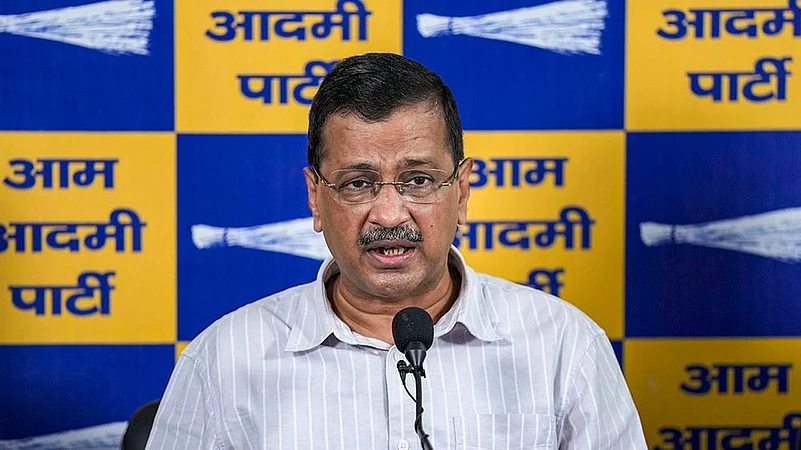
If one visits Arvind Kejriwal’s social media accounts, a noticeable shift in the Aam Aadmi Party (AAP) national convenor’s outreach strategy is visible. From selfie-style videos on the E20 fuel issue to posts around student protests, Kejriwal is directly using digital communication to shape his political messaging and engage with voters.
The renewed online activity comes at a time when political parties across the spectrum are adapting their communication strategies to reach younger audiences, with short-form videos, reels and direct-to-camera messaging becoming a key part of political outreach.
For AAP, the digital push comes ahead of crucial electoral challenges, including the 2027 Punjab Assembly election. After losing power in Delhi in 2025, Punjab remains central to the party’s political strategy, making voter engagement and narrative-building a key focus ahead of the next state polls.
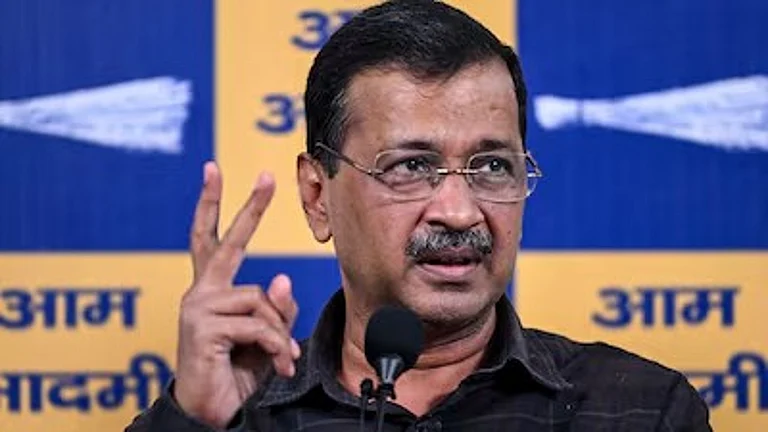
Modi’s Reels To Kejriwal’s Selfie Videos
The move towards digital-first politics has been visible across parties. Prime Minister Narendra Modi has also increased his engagement with younger audiences through short-form videos and informal social media content, including reels addressing Gen Z.
The format shows an attempt to move away from traditional political communication centred around speeches and rallies towards a more direct and conversational style. The BJP’s digital outreach has focused on connecting with young voters on platforms where they increasingly consume political content.
The party’s social media messaging has included issues such as examination paper leaks, government responses to student concerns and criticism of the Opposition, while also highlighting government initiatives.


The BJP’s push shows a wider effort by political parties to adapt to changing digital consumption patterns, where political narratives are increasingly shaped through Instagram, YouTube and other platforms.
A New Communication Playbook
Political communication experts say the shift is not only about adopting new platforms but also changing the style of political messaging.
As reported by Outlook India earlier, Robin Sharma, founder of Showtime Consulting, who has worked on political campaigns across several states, says Instagram has become an unavoidable space for political communication.
“With India having the world’s largest Instagram user base, it was only a matter of time before the platform became central to political campaigning,” Sharma says.
According to Sharma, the key change is the attempt by political leaders to communicate with voters in formats they are familiar with.
“The important shift is not whether the Prime Minister’s videos receive positive or negative reactions, but that the BJP has adapted its communication style. Modi is attempting to speak to young voters in a format and language they are comfortable with,” he says.
Sharma argues that direct communication can also help reduce public anger by creating a sense of engagement between leaders and citizens.
The Changing Political Battlefield
Political strategist and VoteVibe founder Amitabh Tiwari says political parties have repeatedly adjusted their communication strategies as new platforms have emerged, reported Outlook India.
“The 2014 election was largely a Twitter-Facebook election, and the BJP had mastered that space. By 2019, WhatsApp became the next frontier, while the 2024 election saw YouTube emerge as a major platform where alternative narratives gained space,” Tiwari says.
According to Tiwari, Instagram represents the latest phase of political communication.
“Politics has now entered the Instagram phase. Younger voters consume content differently, and the platform rewards decentralised, informal and seemingly unscripted communication,” he says.
He adds that political leaders will increasingly have to move beyond one-way communication.
“From here on, leaders who listen will have an advantage. One-way communication is no longer enough,” Tiwari says.
Kejriwal’s E20 Campaign And Digital Mobilisation
Kejriwal’s recent posts have focused on issues ranging from ethanol-blended E20 petrol to questions of governance and accountability. The increased activity has prompted questions over whether the digital push is limited to issue-based opposition politics or part of a larger attempt to rebuild political momentum.
The E20 campaign has emerged as one of the most visible examples of this approach. Earlier, Kejriwal announced a National Town Hall against E20 fuel through a social media video, inviting citizens to participate and share their views.
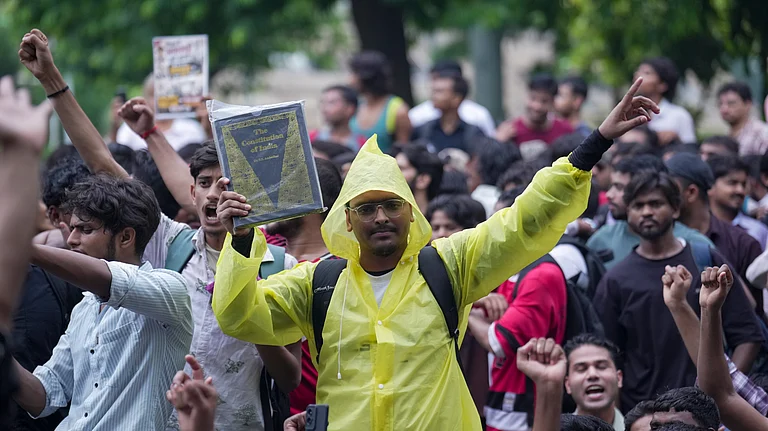
In his post, Kejriwal referred to youth mobilisation and student protests led by the Cockroach Janta Party (CJP), which came amid demands for action over alleged examination irregularities.
The campaign combined digital outreach with street-level mobilisation, using online participation as a way to amplify the issue.
AAP’s increased digital activity also comes as the party prepares for the 2027 Punjab Assembly election, where it will seek to retain power after forming the government in 2022.
The party’s defeat in Delhi has increased the importance of Punjab as a political base. A stronger digital presence could help AAP maintain visibility, particularly among younger voters, as electoral competition intensifies.