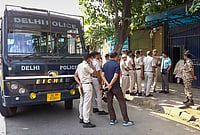
CJP-linked WhatsApp group members fear polls about protest attendance are being used to identify demonstrators.
Technology journalist Ivor Soans said Haryana Police kept him under house detention for 48 hours.
The accounts raise concerns about digital surveillance and civil liberties.
Participants in protests called by the Cockroach Janta Party (CJP) have raised concerns that WhatsApp polls asking about their attendance at demonstrations could be used by police to identify potential protesters and track their movements, The Hindu reported. Several members of CJP-related groups have alleged that suspicious polls and messages directing them to specific locations preceded detentions, prompting fears that information shared in the groups could be used for preventive action.
Several members of CJP-related WhatsApp groups told The Hindu that they had received polls asking whether they intended to attend protests, followed by messages directing them to locations where, they alleged, no demonstrations had been organised but people were being detained.
The concerns follow an earlier report by The Hindu that Delhi Police personnel were monitoring at least 200 WhatsApp and Telegram groups ahead of the CJP's October 10 protest call.
“We started receiving these polls. One of them asked, ‘Up for surgical strike on JM?’. I responded yes, but no protest was decided on later and nobody reached the spot,” a participant told the newspaper, requesting anonymity.


WhatsApp Polls Raise Concerns Over Police Surveillance
Another participant told The Hindu that a group administrator had posted a poll asking members whether they had attended protests. When members raised concerns about potential security risks, the administrator allegedly dismissed them, saying disappearing messages would protect participants and that votes in polls “don't count as evidence”.
The concerns centre on the visibility of responses to WhatsApp polls. By default, group members can see how individual participants have voted. WhatsApp also offers an option to hide voters' names from other participants, although the votes remain associated with phone numbers on the platform's backend systems.
Participants fear that information shared in these groups could be combined with material obtained from the phones of detained protesters. They alleged that police had been confiscating mobile phones and examining chats and other information, increasing the risk of identifying people for preventive action.
“People are facing preventive detentions and house arrests based on this surveillance,” another student protester told The Hindu, requesting anonymity.
The allegations have emerged amid police action against CJP members campaigning for the resignation of Chief Election Commissioner Gyanesh Kumar over alleged irregularities in the Special Intensive Revision (SIR) of electoral rolls.

Gurugram Journalist Alleges 48-Hour House Detention
Ivor Soans, a technology journalist based in Gurugram, alleged that Haryana Police placed him under house detention for 48 hours on October 10, ahead of the planned protest, solely because he belonged to a CJP WhatsApp group.
Soans told The Hindu that he had joined the CJP Gurugram group through a link shared by a friend several weeks earlier. He said he wanted to learn about the group's initiatives, particularly those concerning government schools and education for underprivileged children.
According to Soans, he had not actively participated in group discussions and had not posted anything for more than a week before the police visit. Although some members had discussed attending the October 10 protest, he said he had neither planned to attend nor indicated that he would do so.
At around 9.30 am on October 10, Haryana Police personnel visited his residence while he was away, questioned his son about his whereabouts and subsequently contacted him by phone. They said they were conducting a “verification”, he alleged.
After returning home, Soans said three policemen led by Assistant Sub-Inspector Trilok Chand visited him at around 12.30 pm. They questioned him about his employment, his association with the CJP and whether he intended to attend the protest in New Delhi, he said.
“The ASI informed me that I was to be placed under detention for 48 hours at home,” Soans told The Hindu.
“What shocks me is that mere presence on a WhatsApp group where nothing illegal is being discussed is grounds for detention,” he said, describing the action as a violation of citizens' rights and freedoms.
The allegations by Soans and other participants raise questions about the use of messaging-group membership and digital communications in preventive policing. The accounts reported by The Hindu reflect the participants' claims; the specific allegations concerning the purpose of the polls and the basis for the reported detentions have not been independently established.