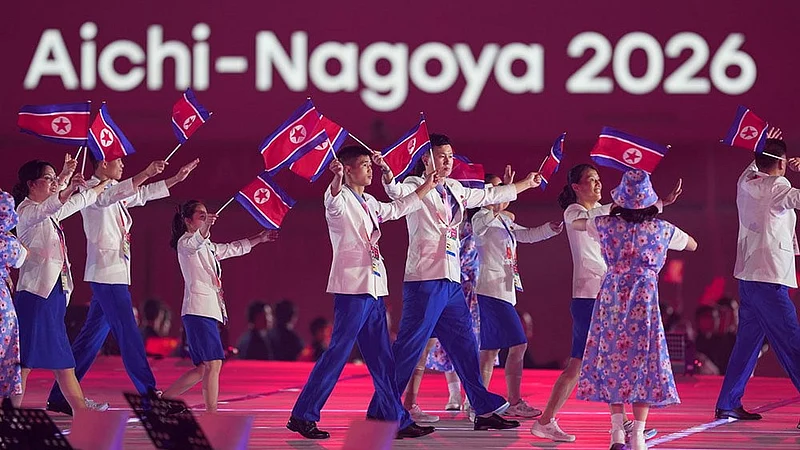
Two people from a North Korean delegation in Japan for the 20th Asian Games have reportedly asked for asylum. The reported move comes as Pyongyang makes its first ministerial-level visit to Japan in eight years.
North Korean sports minister Kim Il Guk led a 180-member delegation into Japan on 17 September for the Asian Games. He came in his role as head of North Korea’s Olympic Committee and was greeted by members of the General Association of Korean Residents in Japan, also known as Chongryon.
The reported asylum bid matters because the visit is already sensitive. Japan and North Korea remain at odds over security, sanctions and unresolved historical disputes. The games have turned into a rare point of contact between the two sides.
Reported Asylum Bid
At least two people among the athletes, coaches, staff members and other officials have expressed a preference to seek asylum in Japan rather than South Korea and have communicated their intention not to return home.
Their identities and positions within the delegation were not disclosed. The magazine cited a source it identified as an official from Japan’s Cabinet Intelligence and Research Office.
The tip came from a source tied to Japan’s intelligence network and to Chongryon, the pro-Pyongyang General Association of Korean Residents in Japan. It remains unclear whether the approach will end in a defection.


Kim Snubs Officials
Kyodo reported that Kim did not respond when Japanese government officers tried to reopen talks.
The approach came after the opening ceremony. Kyodo reported that a Japanese government official handling North Korea matters went up to Kim and his delegation as they moved through the venue. Kim did not answer and walked away after his aide intervened and cut off the exchange.
Longstanding Tensions
Ties between North Korea and Japan have remained strained over Pyongyang’s nuclear and missile programmes and frequent testing, the abduction of Japanese citizens and the legacy of Japan’s colonial rule of the Korean peninsula.
Japan has, in principle, banned North Korean nationals from entering the country under its sanctions. It has, however, made exceptions at times to allow athletes to take part in sporting events.
This is not the first time North Koreans have sought asylum abroad. In October 1983, a North Korean soldier reportedly hid aboard a Japanese ship after it sailed from a North Korean port and lived in Japan for five years while Tokyo reviewed his case. Japan granted him political asylum in December 1988.
Games Disruption
North Korea’s strained ties with its neighbours overshadowed the event when the North Korean national anthem was accidentally played before a hockey match between South Korea and Bangladesh at the Asian Games.
South Korean officials issued a formal complaint and said it planned to lodge a formal protest with the organising committee.