



Naval commanders discuss maritime security, operational readiness and future capabilities at the three-day conference.
Rajnath Singh stresses maritime surveillance, self-reliance and faster technology adoption.
Top military leaders call for stronger jointness, interoperability and integrated responses.
The second edition of the Naval Commanders’ Conference 2026 began at Nausena Bhawan in New Delhi on September 29, bringing together the senior leadership of the Indian Navy for discussions on operational preparedness, maritime security and future capability development.
Chief of the Naval Staff Admiral Krishna Swaminathan delivered the inaugural address and reviewed the prevailing maritime security environment and the Navy’s operational posture.
He stressed the need to maintain a high degree of combat readiness, agility and responsiveness while accelerating technology absorption and capability development to address emerging challenges in the maritime domain.

Navy Leadership Stresses Combat Readiness, Technology
Addressing naval commanders, Defence Minister Rajnath Singh highlighted the Indian Navy’s growing strategic responsibilities and its role as a first responder and preferred security partner in the Indian Ocean Region.
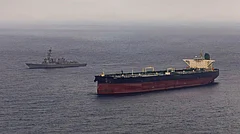
Singh stressed the need to strengthen ‘maritime surveillance, analytical capabilities and operational responsiveness’. Referring to the evolving security situation in West Asia, he highlighted the Navy’s conduct of ‘Operation Urja Suraksha’ and its role in safeguarding India’s energy security.
The Defence Minister also emphasised self-reliance in defence, indigenous capability development and faster absorption of new technologies. He said secure seas were integral to a secure and developed India.


Chief of Defence Staff General NS Raja Subramani described the Navy as a strategic force multiplier. It acknowledged its efforts towards technology absorption, self-reliance and safeguarding the country’s energy security.

CDS, Army Chief Call For Greater Tri-Service Integration
The CDS also highlighted the changing character of warfare and called for accelerated technology transformation, seamless data sharing and greater resilience and sustainment. He stressed the importance of jointness and integration among the three armed forces.
Chief of Army Staff General Dhiraj Seth also interacted with the Naval Commanders and shared perspectives on the contemporary security environment. The discussions focused on strengthening tri-service synergy, interoperability and integrated responses to emerging security challenges.
The three-day conference, from September 29 to October 1, will include detailed deliberations on operations, materiel, logistics, human resources, training, force development and the induction of emerging technologies.
The Naval leadership will also review measures to optimise force levels, strengthen combat readiness and accelerate capability development.















