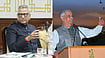
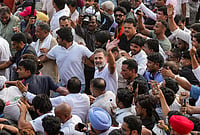
The National Law School of India University (NLSIU) called off its 34th annual convocation planned for September 12, citing "unavoidable circumstances", following pushback from over 700 current and former students who opposed the proposed attendance of Chief Justice of India Surya Kant and Bar Council of India Chairman Manan Kumar Mishra.
Responding to the development, Cockroach Janta Party co-convenor Saurav Das posted on X, "I hope the NLSIU graduating batch organises its own graduation ceremony and invites the most honourable guest to felicitate them. Do it the Gen-Z way!"
The university, instead of finding alternative dignitaries, opted to confer degrees in absentia, pending required approvals.

Pattern Of Student Protests
The NLSIU cancellation reflects wider pushback across prominent Indian institutions regarding Kant's proposed participation in graduation events.
The Tata Institute of Social Sciences (TISS) previously deferred its 86th convocation from August 2 to August 22. TISS administrators stated concerns over potential student demonstrations against the Chief Justice. Tata Memorial Hospital Director CS Pramesh eventually replaced Kant as the chief guest.
Similarly, hundreds of NALSAR University of Law students resisted Kant's reported invitation. They opposed his comments and approach during legal proceedings involving Delhi student demonstrations.
The conflict escalated when the Bar Council of India temporarily ordered state bar councils to pause the registration of the 2026 graduating class from NALSAR. The regulatory body subsequently withdrew this directive. Kant said he had never agreed to attend the NALSAR event.


Autonomy And Student Dissent
OP Jindal Global University also modified its ceremony plans. Justice PS Narasimha presided over the event in place of Kant. OP Jindal administrators stated that Kant never formally accepted their convocation invitation.
These escalating disputes underline the growing weight of guest selection for institutions training future lawyers and public officials. The ongoing controversies draw attention to a persistent tension between student dissent and institutional autonomy.