Nitin Gadkari rejected claims that ethanol-mixed petrol damages vehicles and challenged critics to show complaints
He said about 4 crore four-wheelers and 20 crore two-wheelers have run on ethanol-blended petrol since 2022
The Union minister linked ethanol blending to higher farm income, saying corn-based ethanol has helped farmers in Bihar and Uttar Pradesh
Union minister Nitin Gadkari on Thursday defended the Centre's ethanol-blending programme and rejected claims that ethanol-mixed petrol damages vehicles, pitching the policy as a gain for motorists, farmers and India's fuel import bill.
Speaking at the inaugural session of the Bihar Investor Summit 2026, Gadkari said vehicles had been running on ethanol-blended petrol since 2022 without widespread damage complaints. He also argued that the programme had created a new market for farm produce and could help agriculture move beyond food output alone.
PTI reported, that Gadkari, who holds the Road Transport and Highways portfolios, framed ethanol blending as both an energy and farm-income policy. "I challenge anybody to come up with the complaint that his or her vehicle has suffered damage on this account. Of course, those with vested interests may have some other story to tell," Gadkari told PTI at the summit.
Ethanol Claims Rejected
Gadkari pushed back directly.
He said about 4 crore four-wheelers and 20 crore two-wheelers have been running on petrol blended with ethanol since 2022. He said that had not led to widespread complaints of vehicle damage, and used the point to counter criticism of the blending programme.


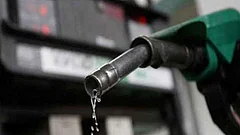

He also linked the criticism to business interests tied to conventional fuel imports. "Of course, we are importing (conventional fuel) worth Rs 22 lakh crore, and those who feel that their business will get hit are bound to feel bad. But let me tell you, I am the minister in charge of the department concerned; all leading automobile brands have tried running their vehicles even on 100 per cent ethanol. And there have been no complaints," he said.
That argument went beyond current retail blending levels. Gadkari said major automobile manufacturers had tested vehicles with higher ethanol blends, including 100 per cent ethanol, to support his case that the fuel does not harm engines.
Farmers Gain From Corn
Gadkari tied the policy to agriculture.
He said the ethanol programme was designed not only to cut dependence on conventional fuel but also to diversify agriculture towards the energy and power sectors. "We must understand that the decision to blend ethanol with petrol was taken with a view to diversification of agriculture towards energy and power sectors... Our farmers shall no longer remain 'anna data' (food producers) but also become 'urja data' (energy producers)," he said.
He cited corn as a direct example of that shift. Gadkari said the use of corn for ethanol had generated additional earnings for farmers in Bihar and Uttar Pradesh. He argued that the policy had opened a fresh revenue stream for growers in the two states.
He put that gain at up to Rs 45,000 crore. "After the Union government took the decision to make ethanol out of corn and the same was used for the aforementioned purposes, it resulted in additional earnings of up to Rs 45,000 crore for farmers of Bihar and Uttar Pradesh. Is it not preferable to serve the interests of those from whom we import (fuel)," he said.
Alternative Fuels Push
Gadkari widened the pitch.
He cited aviation fuel made from agricultural waste as another example of the government's alternative-fuel effort. The reference was meant to show that the push now extends beyond road transport and into other parts of the energy economy.
"We have even made aviation fuel with rice straw. The future belongs to innovation, technology and research. And a state like Bihar has to play a key role in this direction," he said.
The message to the summit was clear. Gadkari cast Bihar not only as a farm state but also as a possible participant in research, innovation and fuel-linked industry built around agricultural output and waste.
Bihar Investment Pitch
He then turned to Bihar's wider economy.
Gadkari said the state could broaden its growth base through sectors such as tourism. He also pointed to international demand for makhana, which is widely produced in Bihar, as an example of the state's market potential beyond traditional sectors.
He praised the state's leadership as he made that case. "Under the leadership of Chief Minister Samrat Choudhary, the state is bound to scale new heights," he said.
Choudhary also used the summit to court investors. He appealed to businesses to set up units in Bihar and assured them of access to a large market if their products met the required standards.