



Air Chief Marshal AP Singh flagged the IAF’s fighter squadron gap, with 29 operational squadrons against an authorised strength of 42, amid delays in aircraft induction.
Singh said LCA Mk-1A, LCA Mk-2 and AMCA programmes will help address the shortfall, while stressing the complementary roles of fighter jets, UAVs and loitering munitions.
He also highlighted integrated air defence, indigenous weapons, AI, theatre commands and lessons from recent conflicts as key areas shaping the IAF’s modernisation.
With geopolitical tensions intensifying and conflicts continuing across multiple regions, Chief of the Air Staff Air Chief Marshal AP Singh on Saturday underlined the importance of maintaining a strong military capability, warning that gaps in the Indian Air Force’s fighter fleet remain a concern even as the force pursues a major modernisation drive.
Addressing his final press conference ahead of his retirement later this month, Singh said the present geopolitical environment had reinforced the importance of military power as an instrument of national power. He stressed that without adequate military strength, states remained vulnerable to coercion.

The IAF currently has 29 fighter squadrons against an authorised strength of 42, a shortfall that has persisted amid delays in aircraft acquisitions and indigenous programmes. Singh acknowledged that the gap was a concern, highlighting that the "delays in Mk1A is hurting us" , but said ongoing and planned inductions, including the LCA Mk-1A, LCA Mk-2 and Advanced Medium Combat Aircraft (AMCA), would help bridge the deficit.


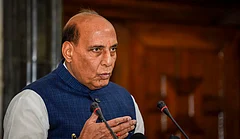

The squadron shortage comes as air power assumes greater significance in modern conflicts. Singh pointed to Operation Sindoor, saying the employment of air power, precision weapons and loitering munitions demonstrated the ability to strike critical targets including runways, hangars and command-and-control infrastructure.
He also stressed that the future of warfare would not be a choice between manned and unmanned platforms. Fighter aircraft, UAVs and loitering munitions would have complementary roles within integrated and joint operations.
On drones, Singh said unmanned systems were not revolutionary for the IAF, but represented an evolutionary development. He said the force already had specialised drone units and did not currently envisage creating a separate drone force or command.

The Air Chief also referred to the changing nature of global strategic competition, including the increasing importance of integrated air and missile defence, air command-and-control networks and unmanned systems.
He said the IAF was simultaneously pursuing self-reliance amid global shortages of military equipment and stockpiles caused by ongoing conflicts. Indigenous programmes such as the LCA, AMCA, Akash, BrahMos and Astra, he said, were part of the effort to strengthen India's defence-industrial base.
Singh also highlighted the IAF's wider role beyond combat operations, including humanitarian assistance and disaster relief and evacuation missions abroad. Air diplomacy, he said, had also become an important component of India's strategic partnerships, including through exercises such as the ongoing Tarang Shakti.
On the ongoing conflict involving Iran, Singh cautioned against drawing direct parallels with Operation Sindoor, saying the two conflicts involved different strategies and circumstances. He said the experience of recent wars demonstrated the need to continuously reassess military concepts, technologies and force structures.
On theatre commands, Singh said the IAF was not opposed to the concept, but argued that the lessons of Operation Sindoor and the experience gained from recent operations needed to be incorporated before finalising the structure.
The Air Chief's remarks come against the backdrop of growing global military competition, continuing conflicts and rapid advances in drones, artificial intelligence and networked warfare. He said AI was increasingly entering the IAF, but emphasised that human decision-making would remain central to military operations.
Singh also said the IAF's aircraft remained on standby to protect the country as India navigates an increasingly uncertain strategic environment.















