



Dubai ruler Mohammed bin Rashid Al Maktoum was confronted in London over Sudan
The incident renewed scrutiny of allegations surrounding the UAE's role in the war
Abu Dhabi has repeatedly denied providing military support to either side in Sudan
A Sudanese man confronting Sheikh Mohammed bin Rashid Al Maktoum on a London street over the war in Sudan brought one of Africa's bloodiest conflicts into an unusually personal setting. It also put renewed attention on a question that has followed the United Arab Emirates since the war began: what role is Abu Dhabi playing in supporting the Rapid Support Forces (RSF)?
The confrontation centred on allegations of UAE involvement in the conflict. Mohammed bin Rashid is not the UAE's president, but he is one of its most senior political figures. According to the Dubai Government Media Office, he became Ruler of Dubai in January 2006 and was subsequently appointed Vice President and Prime Minister of the UAE.
His presence in the confrontation matters largely because of what he represents: the political leadership of a country that has faced persistent allegations of backing one side in Sudan's war.
Who Is Mohammed bin Rashid Al Maktoum?
Sheikh Mohammed has been Ruler of Dubai since 2006 and serves as the UAE's Vice President and Prime Minister. The Dubai Government Media Office credits him with overseeing major economic, infrastructure and government-development initiatives that helped transform Dubai into a global business and tourism centre.
He is also one of the UAE's best-known international figures, with a public profile extending beyond government into business, philanthropy and equestrian sports.


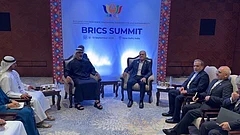

But his position should not be confused with that of UAE President Sheikh Mohamed bin Zayed Al Nahyan. Sheikh Mohammed leads Dubai, one of the seven emirates that make up the UAE, while Sheikh Mohamed bin Zayed is the country's president.
The London confrontation was therefore not evidence of Sheikh Mohammed personally directing UAE policy towards Sudan. It reflected anger over the UAE's alleged role in the war and the visibility of one of its most prominent leaders.
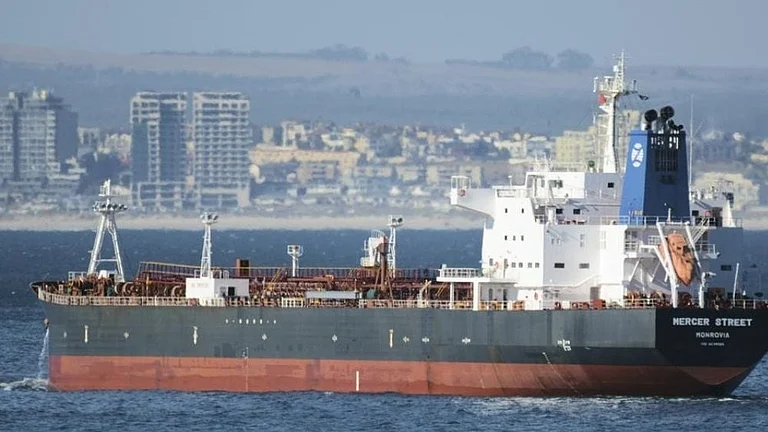
Why Is The UAE Accused Of Supporting The RSF?
Sudan's war began in April 2023 when fighting erupted between the Sudanese Armed Forces (SAF), led by Gen Abdel Fattah al-Burhan, and the RSF, commanded by Mohamed Hamdan Dagalo, known as Hemedti.
The RSF has been accused of widespread abuses against civilians, particularly in Darfur.
Human Rights Watch's May 2026 investigation added to allegations of UAE support for the paramilitary group. It examined the recruitment and deployment of Colombian former military personnel to Sudan and identified links between the operation, an Abu Dhabi-based company called Global Security Services Group (GSSG), and UAE state infrastructure. HRW said the evidence added to a growing body of material documenting what it described as UAE efforts to provide military support to the RSF.
According to HRW, at least 300 Colombian contractors had been deployed by August 2024. The organisation said some contractors travelled through UAE facilities before reaching Sudan and that two Colombians interviewed by researchers said they supported RSF operations.
The UN Security Council's Panel of Experts on Sudan has also examined the movement of weapons, fighters and other forms of external support surrounding the conflict. Its reporting provides broader context for how the RSF has sustained its military operations.
These findings do not mean that every allegation made about UAE involvement has been independently established. But they form part of the evidence behind the scrutiny facing Abu Dhabi.
What Does The UAE Say?
The UAE has repeatedly denied supporting either side in Sudan's war.
In statements during the International Court of Justice proceedings, Abu Dhabi rejected Sudanese allegations as unfounded. The UAE has maintained that it supports a ceasefire, civilian protection and humanitarian efforts rather than either the SAF or RSF.
The UAE's position has remained unchanged despite subsequent allegations. In its official response to the ICJ proceedings, the Foreign Ministry described Sudan's claims as baseless and said the UAE had no military involvement with either warring party.
That leaves a fundamental dispute between Abu Dhabi's position and investigations by organisations such as Human Rights Watch, as well as allegations made by Sudan.
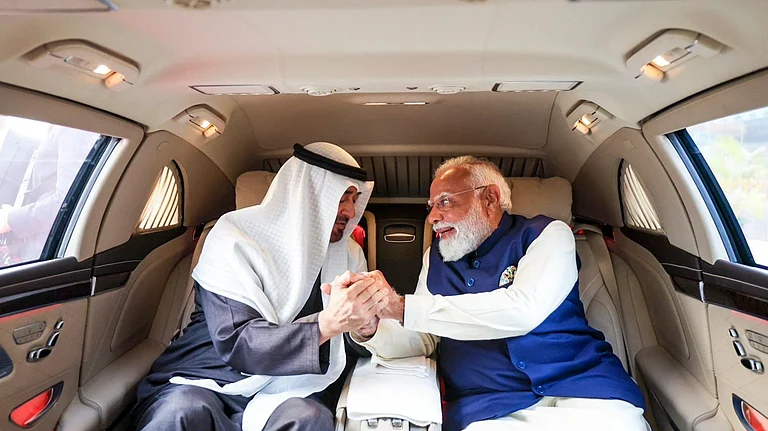
Why Did Sudan Take The UAE To The ICJ?
The dispute became a legal battle in March 2025, when Sudan brought a case against the UAE at the International Court of Justice, accusing Abu Dhabi of violating its obligations under the Genocide Convention through alleged support for the RSF.
The UAE challenged the Court's jurisdiction.
On May 5, 2025, the ICJ ordered that the case be removed from its General List after finding that it lacked jurisdiction because of the UAE's reservation to the Genocide Convention's compromissory clause.
That distinction is important.
The Court did not rule on whether the UAE was actually supporting the RSF or whether Sudan's allegations were true. Its decision concerned jurisdiction. The ICJ therefore did not issue a substantive judgment clearing the UAE of the allegations.
The UAE nevertheless welcomed the decision as a rejection of what it called Sudan's baseless claims.
Why Does The UAE's Role Matter?
The allegations matter because Sudan's war is not sustained solely by the two forces fighting on the ground. Weapons, money, fighters and supply routes from outside Sudan have become part of the conflict's wider ecosystem.
Human Rights Watch's investigation found evidence that Colombian military contractors recruited through a network involving an Abu Dhabi-based company were deployed alongside the RSF. It also identified their transit through UAE facilities and links between the company and UAE authorities.
If the allegations of state-backed UAE support are substantiated, Abu Dhabi would be an important external actor in a war that has already produced mass displacement, hunger and widespread atrocities.
The UAE disputes that interpretation.
That is why the distinction between documented links, allegations and established facts matters. HRW has presented evidence that it says points to UAE support, while Abu Dhabi denies providing military assistance to either side.

Why Was Mohammed bin Rashid Confronted?
For Sudanese civilians and activists, the question of external support is not an abstract geopolitical dispute. It is connected directly to a war that has displaced millions and devastated communities.
That helps explain why a senior UAE leader could become the focus of a confrontation abroad.
But there is no evidence in the material examined for this story that Sheikh Mohammed personally ordered or directed support for the RSF. The allegations concern the role of the UAE and UAE-linked networks, not a demonstrated personal command relationship between Dubai's ruler and the paramilitary group.
The London confrontation therefore says more about the growing anger over Abu Dhabi's alleged role in Sudan than it does about Sheikh Mohammed's personal involvement in the war.















