



US revoked over 175,000 visas, citing crimes, violations, fraud and security concerns.
Expanded social-media vetting now covers additional nonimmigrant visa categories and applicants.
Trump administration tightens immigration rules, affecting students, workers and foreign nationals.
The United States has revoked more than 175,000 visas issued to foreign nationals under President Donald Trump’s administration, as the State Department continues a sweeping immigration crackdown targeting criminal activity, visa violations, fraud, calls for violence and threats to national security.
The State Department announced the figure on Monday, saying most revocations followed encounters with law enforcement. Assault, driving under the influence, theft and drug offences were among the leading causes.
The latest figures come after the department said in January that it had revoked more than 100,000 visas, a record at the time. The administration has also tightened visa screening, including expanded social-media vetting.

Why US Revoked More Than 175,000 Visas
The State Department said the revocations targeted foreign nationals who had violated the terms of their visas, committed crimes, called for violence against US citizens, defrauded Americans, abused the immigration system or endangered national security.
Most of the revocations, it said, resulted from law-enforcement encounters involving criminal activity. Besides assault, DUI, theft and drug offences, a significant share involved reckless driving, sexual assault, child abuse, fraud and embezzlement.



The department cited several individual cases to illustrate the crackdown. These included foreign nationals charged with felony rape and sexual battery, kidnapping and human trafficking, sexual exploitation of a minor, child sexual abuse material offences, domestic violence and drug-related offences.
It also cited cases involving alleged Medicaid fraud, fraudulent business claims and a foreign national who allegedly used false claims and forged letters to secure a visa.
The department said its continuous vetting operations are intended to ensure that visa recipients comply with the terms of their visas and do not endanger Americans.

What Can Trigger Visa Revocation
According to the State Department, visa revocation can follow a range of circumstances, from criminal activity to immigration violations and national-security concerns.
The department said it had revoked visas belonging to people who posed a danger to American citizens, endorsed violence against Americans, arranged illegal birth-tourism schemes or engaged in fraud.
It also cited cases involving people who had been arrested or charged with offences including reckless driving, sexual assault, child abuse, theft, drug offences and domestic violence.
Secretary of State Marco Rubio has also determined that numerous foreign nationals are deportable on foreign-policy grounds. The State Department cited, among others, a Cuban national connected to a Cuban communist regime influence operation, Iranian nationals with connections to the Iranian regime, a Laotian child sex offender pardoned by Minnesota Governor Tim Walz, and a Kuwaiti national who wished violence against the US President and called Americans his “enemy”.
What Is The Birth-tourism Crackdown
The State Department said a US embassy in North Africa revoked more than 100 visas belonging to so-called “birth tourist” parents.
According to the department, the parents had travelled to the United States primarily to give birth so that their children would receive US citizenship.
The department included the case among its examples of visa revocations linked to what it described as abuse of the immigration system.

Can Visas Be Revoked Over Political Expression
The State Department said it had revoked the visas of multiple foreign nationals who celebrated the assassination of conservative activist Charlie Kirk.
It cited people who made comments appearing to approve of the killing, including one person who said he “died too late”.
The revocations were included by the department among cases involving foreign nationals it said had engaged in conduct warranting action. The department has also expanded its scrutiny of applicants’ online activity as part of its wider visa-screening policy.
Why Are Social-media Posts Becoming Relevant?
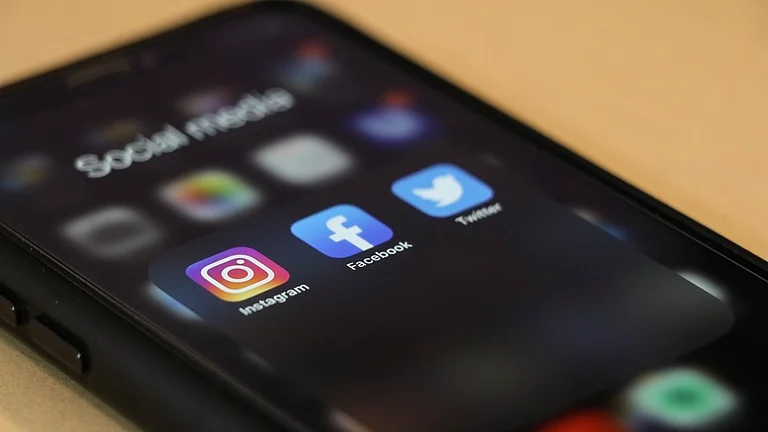
From March 30, 2026, the State Department expanded online-presence review to additional categories of nonimmigrant visa applicants.
These include applicants for A-3, C-3 domestic-worker, G-5, H-3, H-4 dependants of H-3, K-1, K-2, K-3, Q, R-1, R-2, S, T and U visas. H-1B and H-4 applicants, as well as F, M and J student and exchange-visitor applicants, were already subject to the review.
The department has instructed applicants covered by the policy to adjust the privacy settings on their social-media profiles to “public” or “open” to facilitate vetting.
It says it uses all available information during visa screening to identify applicants who are inadmissible to the United States, including those who pose a threat to national security or public safety.
“Every visa adjudication is a national security decision,” the department said, adding that applicants must establish their eligibility for the visa sought and demonstrate that they intend to undertake activities consistent with the terms of their admission.
What Does The Crackdown Mean For Foreign Nationals?
The State Department has said it will continue identifying, investigating and revoking visas belonging to foreign nationals it considers a threat to the safety of Americans.
“Under President Trump and Secretary Rubio’s leadership, the State Department will continue to identify, investigate, and revoke the visas of foreign nationals who threaten the safety of the American people,” the department said.
It also reiterated that a US visa is “a privilege, not a right”.
The administration is simultaneously tightening immigration rules affecting foreign talent, including international students and highly skilled workers. A new Department of Homeland Security rule will replace the existing ‘duration of status’ system for F-1 students with fixed periods of stay, generally capped at four years, while reducing the post-study grace period from 60 days to 30.
The rules also restrict students’ ability to change programmes or fields of study, particularly at the graduate level. The administration is also considering scrapping the 60-day grace period for H-1B workers who lose their jobs.
For Indians, who form the one of the largest group of international students in the US and a major share of H-1B workers, the changes could make studying and working in America more difficult.















