US midterm elections on November 3 will determine control of Congress and the extent of scrutiny Trump faces.
Pakistan’s role in facilitating US-Iran talks has strengthened its diplomatic importance to Washington.
A Democratic victory could increase oversight of Trump’s Iran policy but would not automatically change US-Pakistan relations.
Pakistan’s renewed ties with Washington could face a political test on November 3, when Americans vote in midterm elections that will determine control of Congress. Islamabad has strengthened ties with Trump and emerged as an intermediary between Washington and Tehran. A Democratic victory could increase scrutiny of the president’s handling of the Iran war, but it remains unclear whether it would materially change US policy towards Pakistan.
The elections will not directly determine US policy towards Pakistan. Trump would retain broad authority over foreign affairs even if Republicans lose Congress. However, a Democratic victory could affect congressional oversight, spending negotiations and the confirmation of senior officials. For Pakistan, whose recent diplomatic gains have been closely associated with Trump and military chief Field Marshal Asim Munir, the question is whether the rapprochement can survive beyond the current political alignment.
Why Pakistan has gained ground under Trump
Pakistan’s relationship with Washington has improved after years of mistrust over Afghanistan, counterterrorism and American assistance. Its recent diplomatic outreach has coincided with closer engagement between Munir and Trump, as Islamabad seeks to maintain relations with the US while preserving its longstanding partnership with China.

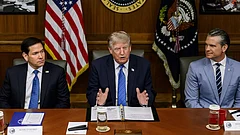


A Reuters analysis linked Pakistan’s improved diplomatic standing in Washington partly to Field Marshal Asim Munir’s relationship with Trump. Pakistan’s arrest and handover of Mohammad Sharifullah to the United States also featured in renewed security cooperation. Sharifullah was later convicted of conspiring to provide material support to ISIS-K in connection with the 2021 Kabul airport bombing.
Reuters quoted Control Risks analyst Arsla Jawaid as saying: “Pakistan’s civil-military leadership has been on a charm offensive primarily balancing relations between the U.S. and China as it seeks to employ a diversified foreign policy.”
Pakistan’s role in facilitating communication between Washington and Tehran has since given the relationship greater diplomatic significance. Its access to Iranian officials, links with Gulf countries and engagement with the US have made Islamabad a useful intermediary during the conflict.
What a Democratic victory could change
Republicans hold narrow majorities in both chambers of Congress, with 218–214 in the House of Representatives and 53–47 in the Senate. Reuters reported that Democrats need a net gain of four seats in each chamber to take control. Polls favour Democrats in the House, while the Senate remains uncertain.
A Democratic-controlled House could investigate the Trump administration’s handling of the Iran war and scrutinise its military spending. It could also use congressional hearings and subpoenas to question officials about the administration’s decisions.
Reuters reported that US Treasury Secretary Scott Bessent played down the prospect of a Democratic-controlled House obstructing Trump’s agenda, saying there would be “very little” it could do.
A Democratic-controlled Senate could delay confirmation of Trump’s nominees, including ambassadors, and increase scrutiny of his foreign policy. However, without a specific Pakistan-related appointment at stake, the direct impact on Islamabad is unclear.
Congress could also influence US-Pakistan cooperation through decisions on funding and legislation. The extent of any change would depend on which initiatives require congressional approval and whether lawmakers choose to challenge the administration’s approach to Pakistan.
Iran diplomacy could test the relationship
Pakistan has facilitated communication between Washington and Tehran as the conflict has continued. Its role in brokering talks has brought Islamabad into diplomatic efforts, although any agreement will depend on the willingness of both sides to negotiate.
The Associated Press reported that Iran remained willing to resume talks under a Pakistan-brokered interim agreement reached in June. Tehran had offered to reopen the Strait of Hormuz if Washington lifted its naval blockade, while accusing Trump of undermining diplomacy. Pakistan and Qatar helped broker the agreement, which aimed to restore shipping and create a path towards broader negotiations, including on Iran’s nuclear programme. The agreement later unravelled as fighting resumed.
Separately, officials from Pakistan, Saudi Arabia and Türkiye met Iranian leaders in Tehran on October 26 to discuss regional security and efforts to prevent renewed fighting.
The Iran conflict and the cost of living are part of the political backdrop to the midterms. A Reuters/Ipsos poll puts Trump’s approval rating at 32%, with Democrats leading Republicans 47% to 36% among registered voters on the generic congressional ballot. The poll also found that 73% believed the cost of living was moving in the wrong direction. The figures suggest potential electoral difficulties for Republicans, but the poll does not establish that Democrats will win either chamber or that a Democratic victory would change US policy towards Pakistan.
Pakistan’s role in facilitating US-Iran talks could remain relevant under either party, but the future of the negotiations will depend on whether Washington and Tehran continue to pursue a diplomatic settlement.
Can Islamabad build ties beyond Trump?
Counterterrorism and regional security remain areas of cooperation between the US and Pakistan. A change in congressional control would not automatically end that cooperation, though initiatives requiring legislative approval or funding could face greater scrutiny.
If Republicans retain control of Congress, Trump is likely to face less resistance from lawmakers on his domestic and foreign policy agenda. If Democrats take control of the House, they could expand investigations into his administration. Control of the Senate would also affect the confirmation of senior officials and negotiations over legislation and spending.
A change in congressional control would not automatically alter US policy towards Pakistan. Its effects would depend on whether lawmakers challenge the administration’s approach to Iran, regional security or specific areas of bilateral cooperation.