Nvidia's former global sales chief Jay Puri married former Super Micro executive Cenly Chen in March 2026
Their professional overlap is attracting scrutiny amid questions over Nvidia chip allocations and Super Micro's business
Neither Puri nor Chen has been charged in the separate investigation into alleged chip diversion to China
Nvidia is once again under the spotlight, and this time the questions extend beyond its chief executive Jensen Huang. Days after Huang was reinstated following an internal investigation into allegations surrounding a possible Chinese intelligence operation, another development has drawn attention to the chipmaker's senior leadership and its business relationships.
A Wall Street Journal investigation has revealed that Jay Puri, Nvidia's longtime sales chief, was in a relationship with Cenly Chen, then a senior executive at Super Micro Computer, for several years before the two married on March 7, 2026.
The relationship is attracting attention because of the overlap between their professional responsibilities. Puri oversaw Nvidia's worldwide sales and partner operations, while Chen was closely involved in Super Micro's dealings with the chipmaker.
The Nvidia-Super Micro Connection
Puri joined Nvidia in 2005 and served as its Executive Vice-President of Worldwide Field Operations, overseeing global sales, business development and partner alliances. He announced his intention to retire from the executive position in June and was expected to remain in a senior advisory role.
Chen served as Super Micro's Chief Growth Officer, Senior Vice-President and Managing Director. According to employees at both companies, she frequently dealt with Puri, accompanied Super Micro CEO Charles Liang on visits to Nvidia's offices and pressed the chipmaker to supply GPUs to Super Micro customers. She was also an important contact for Nvidia-related business within Super Micro.



The professional implications of the relationship feature in an October 9 shareholder class-action complaint against Super Micro. The complaint alleges that Chen managed the company's acquisition of Nvidia GPUs and decided how limited chip allocations were distributed among customers. It also alleges that she regularly discussed Nvidia-related business with Liang.
These are allegations in a civil lawsuit, partly based on accounts from former employees, and have not been established as judicial findings. Chen told the publication that her personal relationship had no bearing on her professional life, adding: "I never had to rely on personal relationships for professional gain."
The China Connection And Nvidia's Wider Scrutiny
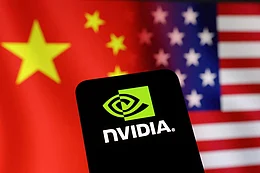
Super Micro is separately facing scrutiny after the US Department of Justice indicted three people associated with the company in March over an alleged scheme to divert AI servers containing restricted US technology to China. Prosecutors alleged that approximately US$510 million worth of servers were diverted between late April and mid-May 2025.
Neither Puri nor Chen was charged in that criminal case. Chen is also not a defendant in the shareholder lawsuit. Super Micro said an independent investigation completed in August found no evidence that current senior management knew of the alleged diversion. Its regulatory filings have since disclosed continuing cooperation with government inquiries and additional subpoenas concerning the case and its internal controls.
The disclosure comes as Nvidia faces wider scrutiny over its China-related business. On Monday, its board reinstated Huang after accepting his resignation earlier in the month, but said its independent investigation into reports of a foreign intelligence effort targeting him would continue.
The board also established a National Security and Export Control Committee and began searching for a Chief Compliance Officer. Huang is scheduled to appear before three House committees on December 1, followed by Nvidia General Counsel Tim Teter on December 2.
The Puri-Chen relationship and the overlap between their professional roles adds another layer to questions about Nvidia's customer relationships, allocation practices and internal oversight as investigations into its business dealings continue.