



S&P puts Nvidia's 'AA' rating on watch for a possible downgrade
It cites board independence and governance after Jensen Huang's exit and return
Any downgrade within 90 days is expected to be limited to one notch
S&P Global Ratings placed Nvidia's credit rating on watch for a possible downgrade on November 25, saying the departure and reinstatement of CEO Jensen Huang had exposed weaknesses in the chipmaker's management and board oversight.
The agency said it believes the long tenure of certain board members may have compromised their independence, according to Reuters. It also said the chipmaker's corporate governance practices may not have kept pace with the company's rapid growth and its role as a critical global technology enabler.
What S&P Said About The Rating
Nvidia currently holds an 'AA' rating from S&P, which indicates a very strong capacity to meet financial commitments. The highest rating is 'AAA'. Reuters reported that the agency said it could downgrade Nvidia within the next 90 days, but expects any downgrade to be limited to one notch, unless investigations and other disclosures harm the company's reputation or future business prospects.
Investors were largely unruffled by the S&P move, Reuters said. Nvidia shares have fallen 38% since October 6. The stock closed down nearly 4% on Wednesday, retracing some declines after the Nasdaq 100 index briefly came close to a 20% decline from its recent high. The cost of insurance against tech companies defaulting on debts has jumped sharply in recent weeks, but Nvidia's five-year CDS spread was little changed, as per the report.
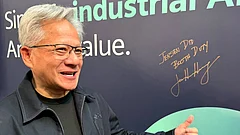
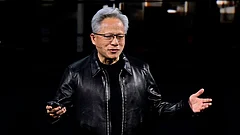
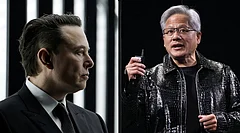
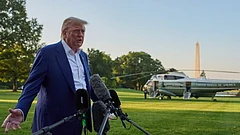
Nvidia has played a key role in financing the AI boom, bankrolling AI startups, cloud firms and data-center projects, which in turn spend much of that capital on Nvidia's own GPUs and other AI chips. Analysts told Reuters that these complex financing arrangements have increased Nvidia's exposure to a potential downturn.
The CEO's Exit And Return
The S&P action follows a turbulent period for Nvidia's leadership. The board reinstated Huang on Monday, November 23, days after he resigned following revelations of extramarital affairs with his direct reports and with a Chinese businesswoman, Alice Huang, whom US intelligence alleged to be Beijing's spy.
Critics and lawmakers faulted the reinstatement and questioned the independence of the board. The board's newly elected chair had told investors the previous week that Nvidia would not rehire Huang as CEO because his personal behaviour was inconsistent with the company's code of conduct, it added.
Nvidia did not mention the affairs when it announced the reinstatement, saying instead that the move was "based on US government input". An independent board committee has continued to investigate reports involving Huang and a suspected foreign intelligence effort.
It was earlier reported that the US Justice Department did not conduct a formal investigation into Huang before US President Donald Trump pushed for his return as CEO. Instead, the department concluded that there was no evidence he had broken any laws, based on ongoing investigations into two Nvidia clients, Super Micro and Megaspeed International, which are suspected of smuggling advanced microchips to China, according to the report. That determination is subject to change as the probes continue.

What US Officials Told Congress
Separately, the Wall Street Journal reported that US officials found no evidence that tech executive Alice Huang was directed by Beijing to spy on Jensen Huang. Officials from the CIA, FBI, Office of the Director of National Intelligence and National Security Agency briefed staff from congressional intelligence committees and chamber leaders, the Journal said.
The officials said Alice Huang had contacted China's spy agency during the affair, but they found no indication that she provided significant intelligence, according to the Journal. Current evidence suggests that Alice Huang and Jensen Huang may have had an amorous relationship, but it was not a coordinated play by China, the report said. It added that new information could change that assessment.
The briefing also noted that Kang Wei, described to the Journal as Alice Huang's husband by people who know them, was an asset for China's Ministry of State Security and remained in frequent contact with the intelligence service, the newspaper reported.








