



The US has proposed tariffs of up to 25% on Indian goods following an investigation into alleged excess industrial capacity.
The proposed rate could fall to 17% if India reaches a trade deal with Washington; the tariff is not yet in force.
If finalised, the new duty would replace the current 10% tariff and would not be added to it.
The United States has proposed a tariff of up to 25% on Indian goods, but the rate could fall to 17% if New Delhi reaches a trade agreement with Washington, United States Trade Representative (USTR) sais in a statement. The proposal follows an eight-month investigation into what the US calls “structural excess capacity” in manufacturing.
The duties are not yet in force. The USTR is expected to hold public hearings and accept comments before deciding whether to implement them. The new rate would replace the 10% tariff Indian exporters currently pay; it would not be added on top of it.
The proposal puts fresh pressure on India and the US to conclude an interim trade deal. The two countries agreed on a framework in February but have yet to sign an agreement.
Why Has The US Proposed The Tariffs?
The USTR opened its investigation in March into India and 15 other economies. Washington says some governments support manufacturing capacity that exceeds market demand, creating pressure on US businesses.



The USTR said the proposed duties target countries that “create, sustain, or contribute to structural excess capacity and production in manufacturing sectors through various acts, policies, and practices that we find to be unreasonable and burden or restrict US commerce”.
In its notice, the USTR pointed to India’s trade surplus with the US, which it put at $58 billion in 2025, and cited textiles, healthcare, construction goods and automotive goods among sectors with global trade surpluses. It also alleged that India’s solar module manufacturing capacity is nearly three times domestic demand, and cited petrochemicals and steel as other sectors with excess capacity.
India disputes the assessment. At an October G20 trade ministers’ meeting in Milwaukee, Commerce Minister Piyush Goyal said India’s manufacturing capacity served domestic demand and global supply chains, and that the country did not have structural excess capacity in the sectors identified by the G20 presidency.

What Tariff Rates Are On The Table?
The US has outlined two possible rates for each country: a higher “warranted” rate, which Washington says reflects its assessment of a country’s policies, and a lower rate linked to trade agreements or frameworks with the US.
For India, the proposed rate is up to 25%, while the rate could be 17% if a deal is reached.
India is among 14 economies facing proposed duties under the plan. Cambodia, Indonesia, South Korea, Malaysia, Taiwan and Thailand are also among those facing rates of up to 25%. China faces a proposed rate of up to 40%, while Vietnam could face up to 35%. The European Union, Japan, Switzerland, Singapore and Bangladesh face proposed rates of up to 20%.
What Happens Next?
The USTR is expected to begin public hearings and invite comments before finalising the tariffs. The duties are unlikely to take effect before January, according to the senior US official cited by Hindustan Times.
If the proposal is adopted, India’s new rate would replace the existing 10% tariff. It would not be added to that duty or to other tariffs imposed under Section 232 on cars, steel and aluminium.
Some goods would be exempt, including oil and gas, food products that the US does not or cannot grow, critical minerals, fertilisers and certain semiconductors and pharmaceuticals.
What Does This Mean For The India-US Trade Deal?
The proposal adds another obstacle to negotiations over the interim agreement. India and the US announced a framework in February, but have not signed a final deal.
The current tariff dispute follows a turbulent year in trade relations. In 2025, the Trump administration announced a 26% “reciprocal tariff” on India. By August, the rate had risen to 50% after a further penalty linked to India’s purchases of Russian oil. In February, Washington agreed to revoke that penalty and lower India’s tariff to 18% under the trade framework. That rate did not take effect after the US Supreme Court ruled that the emergency powers law used for the reciprocal tariffs did not authorise them.
The US then introduced a temporary 10% global tariff and later shifted to a similar duty under Section 301 of the Trade Act of 1974. The latest proposal would replace the current 10% rate if it is finalised.
The senior US official, cited by Hindustan Times, said Washington did not expect the proposed tariffs to create tension at next month’s G20 leaders’ summit in Florida. “We actually expect that we may be signing more agreements at the G20 in the wake of these announcements,” the official said.
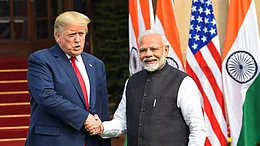
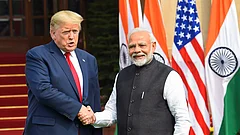
Prime Minister Narendra Modi is expected to meet US President Donald Trump on the sidelines of the summit as the two countries continue efforts to complete the interim trade deal.








