



Kerala will roll out Toofan Care on 16 November as the next phase of Operation Toofan
The new phase will focus on rehabilitation, counselling and treatment for people struggling with drug addiction
Home Minister Ramesh Chennithala said 35 hospitals across the state have been readied for support
Kerala will roll out the next phase of its anti-narcotics campaign, Operation Toofan, on 16 November. The new phase, called Toofan Care, will focus on rehabilitating people struggling with drug addiction and helping them return to normal life. It will run alongside the state's ongoing crackdown on drug trafficking networks.
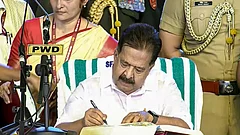
Kerala Home Minister Ramesh Chennithala announced the move on Monday and said 35 hospitals across the state had been readied to offer rehabilitation support. The plan expands the government's approach, which initially centred on identifying drug networks, carrying out raids and taking legal action against those involved in the narcotics trade.

Rehabilitation Push
The new phase shifts the emphasis toward recovery. When it begins on 16 November, it will give more weight to the rehabilitation of people affected by drug addiction.
"Operation Care, launched as part of Operation Toofan, aims to rehabilitate people addicted to drugs and help them return to normal life," Chennithala told ANI.
"Necessary facilities have been arranged at 35 hospitals to support the initiative," the Kerala Home Minister told ANI. The government has prepared those hospitals across Kerala to provide treatment and rehabilitation facilities under Toofan Care.


The state stated that arrests on their own cannot solve the drug problem. It is widening the campaign to include treatment, counselling and rehabilitation so people can overcome substance dependence and avoid slipping back into drug use.
What Is Operation Toofan?
Officially called "Operation Toofan: The Narco Hunt," the statewide anti-drug drive was launched by the Kerala government on 2 June.
The state Home Department and Kerala Police are running it, with coordination from departments including Health and Excise.
Its main goal is to break up drug trafficking networks and curb the supply of narcotic substances. It also seeks to stop synthetic drugs such as MDMA from spreading and to protect young people from substance abuse.
The campaign also relies on public participation to identify drug-related activity and build awareness about addiction.

NDPS Concerns
Chennithala linked the next phase to legal concerns as well, saying Kerala had already raised alleged loopholes in the Narcotic Drugs and Psychotropic Substances (NDPS) Act with Union Home Minister Amit Shah.
"There were instances of accused persons being released from prison due to certain loopholes in the NDPS Act. The issue had been brought to the attention of the Union Home Minister, and the state had conveyed the need for amendments to the Act," Chennithala told ANI.
He added that Shah had called for a collective effort to launch a mass movement against drug abuse. "That is exactly what we are doing," he added.
Drug Figures And Phase One
The scale of the problem is reflected in NCRB data cited by ANI, which says Kerala recorded 30,697 cases under the NDPS Act in 2023, the highest among Indian states.
That level of concern has pushed the state to combine enforcement with prevention, awareness and rehabilitation. The first phase of Operation Toofan focused mainly on raids, investigations, arrests and action against drug distribution networks, especially around educational institutions.
By September, Kerala Police had registered 10,070 cases and arrested 10,883 people under the campaign. Police also seized 23,438.746 grams of MDMA, 1,214.354 kg of ganja and 4,738.269 grams of hashish oil.
The campaign also conducted 9,529 awareness classes and 649 counselling sessions across the state. Chennithala had claimed the first phase cut drug use in Kerala by 20-30%. He made that claim while launching the community-focused Operation Toofan 2.0 in Malappuram on 28 September.















