The Centre has designated 23 operatives linked to Lashkar-e-Tayyeba and Jaish-e-Mohammed as terrorists under the UAPA as part of its "Prahar" counter-terror strategy.
The list includes 16 Pakistani nationals and seven Indian nationals accused of roles ranging from recruitment and propaganda to arms smuggling and cross-border infiltration.
The government said the move aims to curb radicalisation and strengthen its zero-tolerance approach to terrorism alongside sustained diplomatic efforts against Pakistan-based terror groups.
The Centre on Saturday designated 23 operatives linked to Pakistan-based terror groups Lashkar-e-Tayyeba (LeT) and Jaish-e-Mohammed (JeM) as terrorists under the Unlawful Activities (Prevention) Act (UAPA), describing the move as part of its "Prahar" strategy to counter evolving terrorist threats.
According to the government, the list includes 13 operatives linked to the Lahore-based LeT and 10 associated with the Bahawalpur-based JeM.
16 Pakistani Nationals, 7 Indians on the List
Of the 23 designated terrorists, 16 are Pakistani nationals while seven are Indian nationals operating from Pakistan.
The government said many of those listed are facing ongoing terror investigations and active arrest warrants in India.
According to officials, the individuals perform a range of roles, including recruitment, propaganda through front organisations, terror training, arms smuggling and facilitating the infiltration of terrorists into Indian territory.

Senior LeT Leaders Among Those Designated
Among those designated is Saifullah Khalid, whom the government described as the deputy chief of Lashkar-e-Tayyeba and a close associate of the banned group's activities. Khalid has also been designated a global terrorist by the United States.

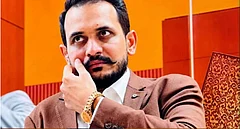
Another LeT operative on the list is Hafiz Abdur Rauf. According to the government, Rauf led the funeral prayers of terrorists killed during India's Operation Sindoor, which targeted terror infrastructure in Pakistan on May 7, 2025.
Officials said Rauf was seen offering prayers at LeT's Muridke headquarters alongside senior Pakistan Army officers. He has also been designated a global terrorist by the United States.
JeM Leaders Linked to Kashmir Operations
The designated JeM operatives include Mufti Muhammed Asghar Khan, described by the government as the group's chief commander for Kashmir operations, and Masood Ilyas Kashmiri, identified as JeM's emir in Pakistan-occupied Kashmir (PoK).
According to the government, JeM uses commanders such as Abdullah Jehadi, Mohammed Mussadiq and Waseem Noor to facilitate cross-border infiltration of terrorists, arms and ammunition through tunnels and drones.
Officials said Masood Ilyas Kashmiri oversees recruitment and the group's social media operations and is one of the principal accused in the 2022 Sunjwan terror attack.

Focus on Online Recruitment
The government said recruitment remains a key function of the banned organisations, with operatives increasingly using social media platforms to radicalise and recruit youth in Jammu and Kashmir and other parts of India.
Among those named is Mohammed Shahed Faisal, a software engineer from Bengaluru. According to the government, Faisal acted as an online handler involved in recruiting youth, bomb-making training and target selection. Officials also identified him as the principal handler in the 2012 Bengaluru conspiracy case.
Part of 'Zero Tolerance' Policy
The government said the designations are aimed at disrupting radicalisation, recruitment networks and cross-border infiltration into India.
Officials also cited India's diplomatic efforts that led to the United States designating The Resistance Front (TRF), a Lashkar-e-Tayyeba proxy, as a Foreign Terrorist Organization (FTO) and a global terrorist group on July 18, 2025.
According to the government, the latest move reflects its "zero tolerance" policy towards terrorism, combining counter-terror operations with sustained international diplomatic efforts to dismantle terror networks.