India traded competitive regional matches for a high-profile friendly against Brazil, exposing the ongoing struggles of their football calendar
disciplined and surprisingly proactive Indian side held their own before individual goalkeeping errors opened the floodgates to a 4-0 defeat
Despite a packed stadium mostly cheering for the visitors' yellow shirts, the match ultimately left Indian football searching for lasting structural change
Weeks after the World Cup ended, with the sport's attention fixed on rematches and recriminations, India was handed something no one had planned for: the first senior men's international against Brazil.
Weeks after the World Cup ended, with the sport's attention fixed on rematches and recriminations, India was handed something no one had planned for: the first senior men's international against Brazil.
The Price Of The Spectacle
The occasion came with a consequence. To make room for it, India pulled out of the inaugural FIFA ASEAN Cup, with the AIFF's deputy secretary general saying plainly that they could not play both Brazil and the tournament.
That meant giving up competitive matches against regional sides in a FIFA-sanctioned event, for a team that has struggled to find consistency. A glamour friendly is a thin substitute for meaningful football, and many wondered whether it was the right stage for a side so often short on performances.
Adapt To Survive
But the match went ahead, and India's task was clear: find a way to survive against a team ranked fifth in the world, leagues above their own 138th. The target was never really a result. It was to avoid humiliation, show something worth keeping, and leave the pitch with dignity.


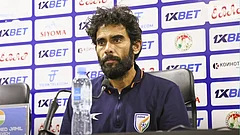
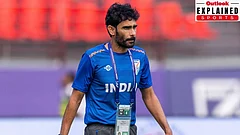
In the pre-match press conference, head coach Khalid Jamil revealed his goal to Outlook India in plain terms. Adapting, he said, is the way to succeed in every match, because you must adjust to the situation in front of you. The 1-1 draw with Panama could be called a success, but it would not be a template. How India approached Brazil would depend on the threats Brazil posed.
A Plan That Worked, for a While
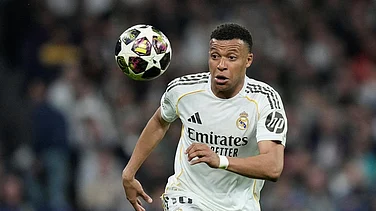
When the game began, it was clear Jamil had come prepared. Brazil lined up with Vinicius and Estevao, two of the most gifted young attackers in the world, on either flank. India answered with double cover on both sides, so that neither could receive the ball in space and turn. It was disciplined, organised and, for long stretches, effective.
Not Just Defending
What surprised the fans was that India did not simply defend. They kept the ball, circulated it patiently through the middle and played through Brazil's press rather than over it. Manvir and Ryan Williams made deep runs that unsettled Brazil's back line, and India created several dangerous moments in behind. It was not the low-block survival script most had expected.
Estevao Breaks the Lock
Vinicius was largely neutralised, caught repeatedly by the offside trap and well handled by Abhishek Tekcham. Estevao was another matter. In the 28th minute he cut inside from the right and struck low from the edge of the box, the shot squeezing past Gurpreet Singh Sandhu at the near post. It was the sort of finish that is hard to stop, though the keeper will want another look at it.
Just before the break, Estevao played in Pedro, whose angled shot went through Gurpreet's hands for 2-0 in the 42nd minute. Two goals, two goalkeeping errors, and the first half was effectively settled.
No Shell, No Surrender
India did not retreat. They kept pushing after the break, even as Gabriel and Endrick came on for Brazil. When Brazil's reshuffled side made mistakes, India pounced, and on one occasion Brazil had to make a goal-line clearance to stay ahead.
Both coaches made changes, and India replaced their goalkeeper. But legs tire, and as India's energy dropped, Brazil's quality showed. Bijoy Varghese's pass was intercepted and Samuel Lino curled in a fine finish, then added another low strike in injury time. Four-nil.
An Unforeseen Fight
The scoreline flatters Brazil, who played at low intensity and ran far less than their hosts. India played better than expected, with sensible structure, composure in possession and real intent. They were undone not by Brazil's brilliance so much as by individual errors, particularly in goal. Estevao was the only Brazilian who looked truly dangerous, and he needed help from the other end.
Empty Seats, Full Meaning
Perhaps the most telling image came from the stands. For all the hype, and for all that this was among the biggest moments in Indian sport, the stadium looked far from full. The fans who did come were there to see Brazil, not to expect spectacular football.
They wanted to witness the yellow shirt in person, which is a different thing from supporting a team. Even in Kolkata, the old football capital, the passion on show was for the visitors.
Which is why, after the final whistle, the question put to Khalid Jamil in the post-match press conference mattered more than any tactical analysis: when will things change for Indian football?
It didn't look like Khalid had an appropriate answer.