Piyush Goyal described India’s 2019 decision to stay out of RCEP as a move that averted a potential manufacturing crisis.
The minister argued that cheaper imports, particularly from China, could have intensified competition for Indian businesses and factories.
India withdrew from negotiations over concerns about import surges, trade imbalances and inadequate safeguards for domestic producers.
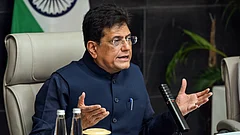
Union Commerce Minister Piyush Goyal has defended India’s decision to stay out of the Regional Comprehensive Economic Partnership (RCEP), saying the proposed trade deal could have dealt a severe blow to domestic manufacturing.
In a post on X, Goyal described the decision as “a tragedy that the Modi government averted” and said joining the agreement could have become the “death knell of manufacturing in India”.
He linked the decision to Prime Minister Narendra Modi’s announcement on November 4, 2019, in Bangkok, Thailand, that India would not join the trade pact.
Goyal said he had reviewed government files after taking charge of the Commerce Ministry in June 2019 and had repeatedly argued against India joining the agreement. His remarks reflect the government’s position that staying out of RCEP was necessary to protect domestic industries from import competition.

Concerns Over Chinese Imports
Goyal argued that joining RCEP could have exposed Indian manufacturers to greater competition from cheaper imports, particularly from China. He said the proposed agreement risked putting domestic businesses and factories under pressure by reducing tariff barriers without adequate safeguards.



India had raised concerns about the possible impact of increased imports on domestic industries, the trade deficit and the competitiveness of Indian manufacturers. New Delhi also sought safeguards against sudden import surges and provisions to address concerns over market access and trade imbalances.
However, the government maintained that the proposed terms did not adequately address these concerns.

What Is RCEP?
The Regional Comprehensive Economic Partnership is a free trade agreement involving 15 countries, the 10 member states of the Association of Southeast Asian Nations (ASEAN), along with China, Japan, South Korea, Australia and New Zealand.
The agreement aims to reduce trade barriers and deepen economic integration among participating countries.
India participated in negotiations but raised concerns that the pact could increase imports and expose domestic industries to greater competition, particularly from China. It also sought stronger protections for Indian producers and safeguards against import surges.

Why India Stayed Out
India announced in November 2019 that it would not join RCEP, with Modi making the decision public on November 4 in Bangkok.
The government said the proposed agreement did not adequately address its concerns over market access, imports and the protection of domestic producers.
Goyal’s latest remarks reiterate the government’s argument that staying out of RCEP was a strategic decision intended to protect Indian manufacturing and preserve policy space for domestic industries.