



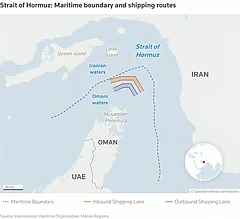
More than 80% of vessel transits through the Strait of Hormuz over the past two weeks have used the Omani route, according to Kpler.
US naval activity and enforcement measures have redirected commercial vessels, while traffic through the strait remains sharply reduced amid continued Iranian activity.
The shift to the Omani route has prevented Iran from collecting shipping tolls, despite the expiration of the US-Iran memorandum theoretically allowing it to resume charging them.
The crisis around the Strait of Hormuz is putting fresh pressure on global oil markets, with disruptions to one of the world's most important energy routes threatening to push up crude prices and raise concerns over fuel costs. The escalation comes as tensions between the US and Iran remain high, leaving energy markets watching closely for any further disruption to shipments through the strategic waterway.
The UKMTO report said that the traffic flows in the Gulf of Oman remained stable, with vessels maintaining heightened awareness amid ongoing naval activity.
Why Is The Strait Of Hormuz So Important For Global Oil?
At present, however, the situation indicates that the United States, which is patrolling the strait with its naval forces, is making gains, while Iran's control over the strategically important waterway is weakening.
According to Kpler, which monitors vessels through transponders and satellite data, more than 80% of ships passing through the Strait of Hormuz during the past two weeks have used the Omani route. The shipping channel is authorised by the UN but is strongly opposed by Iran.
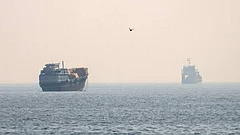


UKMTO Data says that in the Gulf of Oman, naval presence remained elevated due to blockade enforcement activity. US CENTCOM stated that, as of 17 August, 64 commercial vessels had been redirected, three disabled, and two boarded for compliance verification. Vessels were expected to respond promptly to military queries and maintain AIS-on unless constrained by security threats. Operators continued to exercise caution due to regional strike activity, and ongoing IRGC monitoring of shipping in adjacent waters.
In the Strait of Hormuz, UKMTO says, there was one confirmed attack in the reporting period. IRGC attacks, attempted attacks, and/or harassment activity persisted (beyond the confirmed reports). These actions continue to demonstrate Iran’s intent to assert presence along key transit lanes and maintain pressure on transiting vessels. Commercial traffic through the Strait of Hormuz remained at reduced levels. Independent tracking data indicated suppression with single-digit numbers or nil tankers transiting in both directions. There remained a continued risk of drifting or uncharted mines in and near the TSS, with mine danger areas still active.

How Could Iran Conflict Push Oil Prices Higher?
This is markedly different from a month earlier, when Kpler recorded almost no vessel traffic using the Omani route. The substantial decline in traffic along Iran’s preferred route has meant that Iran has been unable to collect tolls from ships travelling through the strait, as it did in the spring.
The expiration of the Memorandum of Understanding between the United States and Iran this week theoretically gives Iran the ability to resume imposing tolls. However, Kpler’s data indicates that Iran does not appear to have been able to do so.
“Iran’s request to collect tolls is something that most Middle East folks don’t want to do and haven’t been doing,” Dan Pickering, founder and chief investment officer at Pickering Energy Partners, told CNN. “So the Oman route absolutely makes the most sense.”















