Taiwan's ruling DPP made gains in local elections.
The opposition KMT retained control of the capital, Taipei.
Both parties have different approaches to dealing with China.
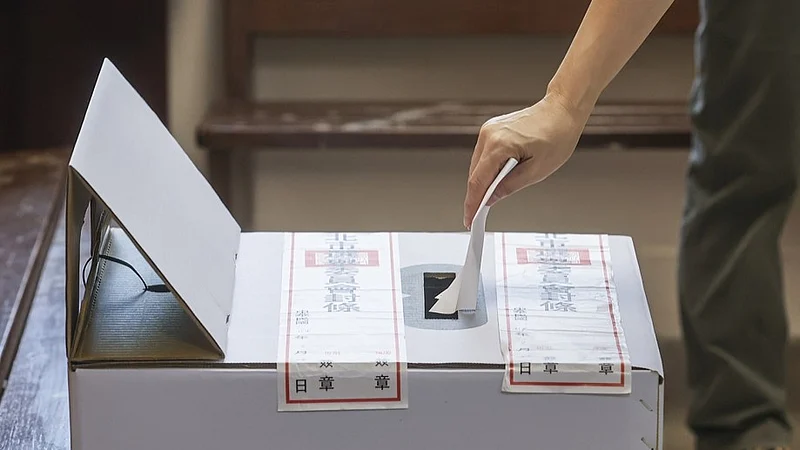
Taiwan’s ruling Democratic Progressive Party (DPP) has made gains in Saturday’s local elections, winning at least nine city and county seats, compared with five in the previous elections four years ago. However, the opposition Kuomintang (KMT) retained control of the capital, Taipei.
The DPP and KMT each won three of Taiwan’s six largest cities. The DPP also regained control of Taichung, the island’s second-most populous city.
In Taipei, incumbent KMT mayor Chiang Wan-an won a closely fought re-election battle against DPP candidate Puma Shen. An academic-turned-lawmaker, Shen specialises in China’s information warfare. Chinese police have issued a warrant for his arrest over what Beijing calls "separatism". China has also imposed sanctions on him.
Taiwan holds local elections every four years. Commonly known as the 'nine-in-one' elections, they cover nine categories of local government positions.
Voters across Taiwan’s 22 cities and counties elect mayors, county magistrates, councillors, township officials and other local representatives. According to Taiwan’s Central Election Commission, 11,051 positions are up for election.

What Are The DPP And KMT's Positions On China?
The ruling DPP and opposition KMT have different approaches to Taiwan’s relations with China.
The DPP says the island’s future should be decided by its 23.5 million people. It supports maintaining the status quo, under which Taiwan governs itself without formally declaring independence.

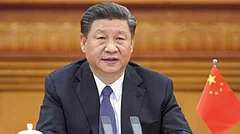


The KMT, on the other hand, believes Taiwan and mainland China are part of one China, although both sides can have different interpretations of what that means. This position is based on the "1992 Consensus", an understanding reached between the then KMT government and Beijing in 1992.